

















Texas Border Business



By David Vergun, Pentagon News | US Department of War
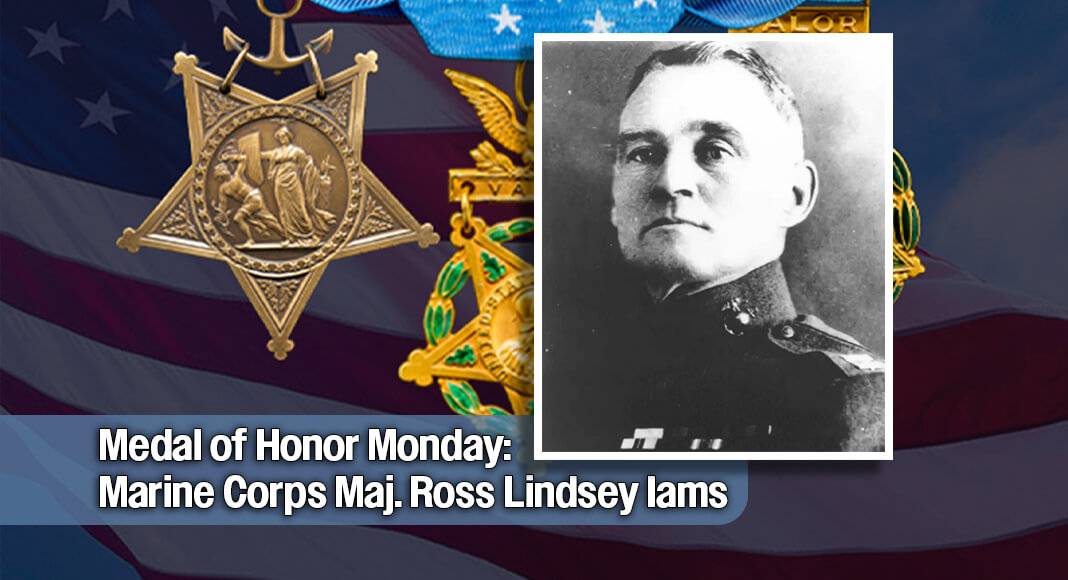
Marine Corps Maj. Ross Lindsey Iams received the Medal of Honor for his courageous acts of valor as a sergeant while fighting a Haitian rebel force in 1915.
Iams was born April 5, 1881, in Graysville, Pennsylvania, to William Lindsey Iams, a farmer, and Elizabeth Iams.




On Jan. 29, 1901, after graduating from high school, he enlisted in the Marine Corps. Later that year, he sailed to China to suppress the Boxer Rebellion and then to the Philippines, where he participated in the Philippine-American War.
He provided naval security at the Mare Island Naval Shipyard in Vallejo, California, from 1904 until 1907. He was then assigned to the Marine Barracks in Norfolk, Virginia, until 1913, where he deployed aboard several Navy ships.
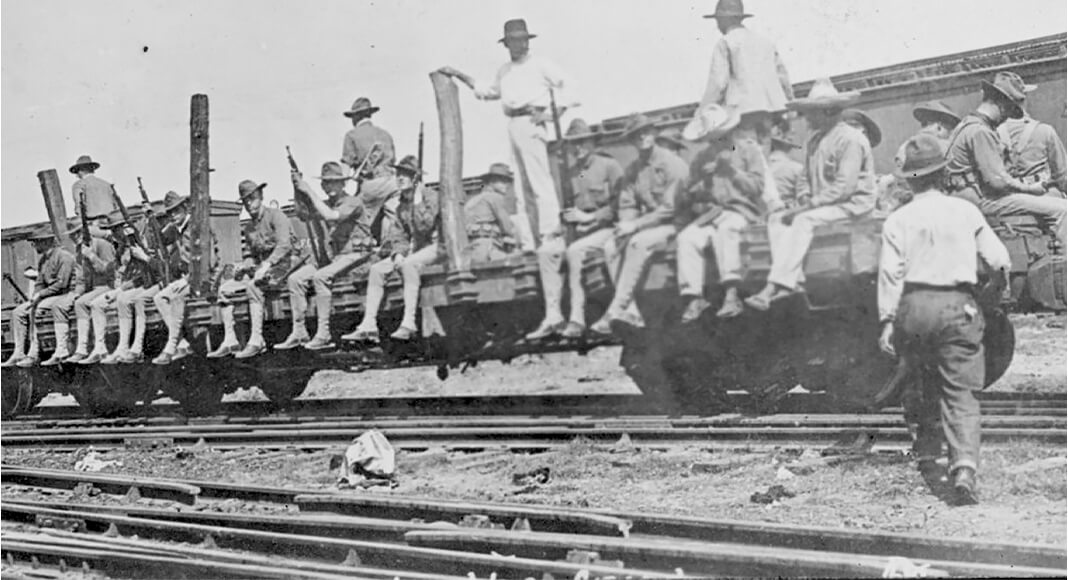
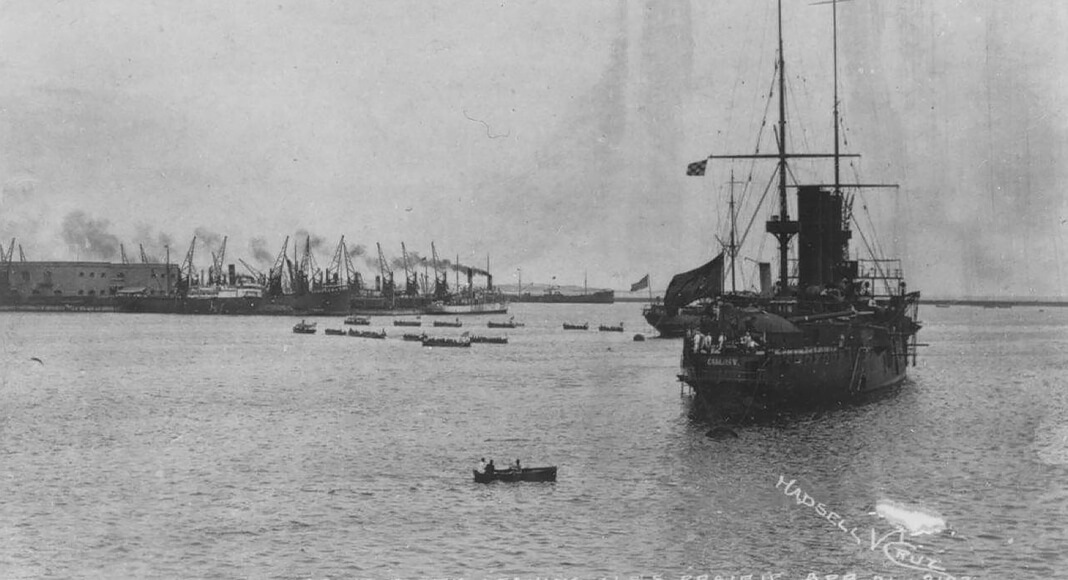
In 1914, he participated in the invasion and occupation of Veracruz, Mexico.
Iams married Elizabeth Sarah Craft, Jan. 2, 1915, and they had two children, both of whom served in the military during World War II.
Later in 1915, Iams, assigned to the 5th Marine Company, 5th Marine Regiment, arrived in Haiti aboard the battleship USS Connecticut to help stop an uprising by nationalist rebels known as Cacos.
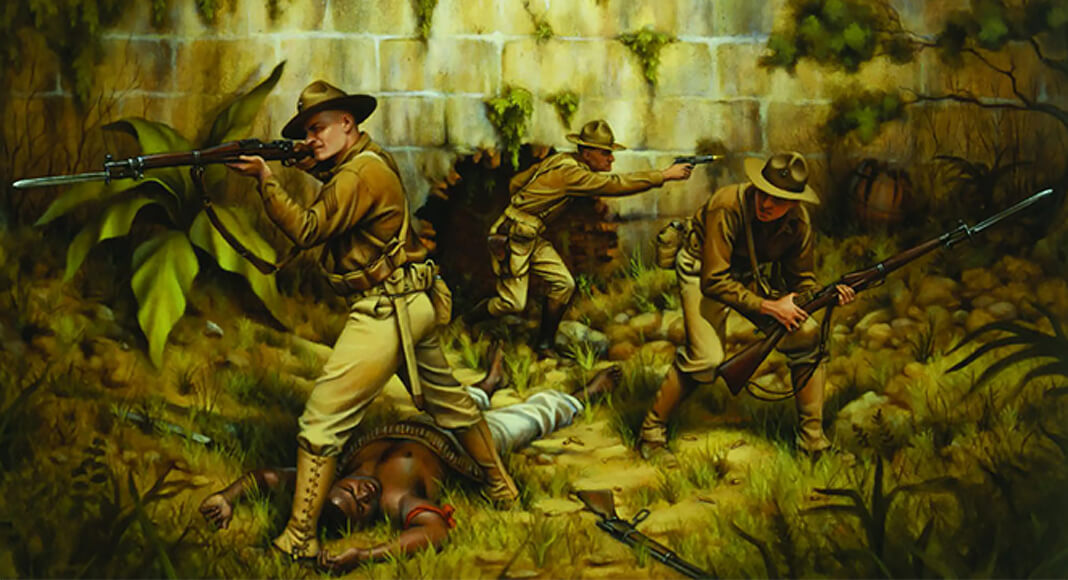
On Nov. 17, 1915, three Marine companies attacked Fort Riviere in northern Haiti. Iams, then a sergeant, was the first to charge into a small breach in the fort’s wall, despite intense enemy fire.
Once inside, a melee ensued for about 10 minutes, with the Marines engaging the rebels in hand-to-hand combat before ultimately seizing the fort.
Assistant Secretary of the Navy Franklin D. Roosevelt recommended Iams, Marine Corps Pvt. Samuel Gross, the second to charge inside the fort, and Marine Corps Maj. Smedley D. Butler, commander of the three companies, to receive the Medal of Honor for their actions.
Iams and Gross received their medals June 22, 1917, in Port-au-Prince, Haiti, and Butler received his June 17, 1916. At the time of the award, Iams was a sergeant major.
When the U.S. entered World War I, April 6, 1917, Iams was sent to Marine Corps Base Quantico, Virginia, to train infantry officers for combat.
A year later, he was promoted to gunner, a Marine Corps warrant officer rank and sent to France as a member of the 13th Marine Regiment, 5th Marine Brigade. The brigade participated in rear-area security duty.
Iams was promoted to captain and remained in France as part of the occupational forces before returning to the U.S. in 1919.
He was stationed at Marine Barracks, San Diego from 1920 until 1922, now known as Marine Corps Recruit Depot San Diego, where he trained enlisted recruits. The installation is one of two Marine Corps enlisted training bases; the other is Marine Corps Recruit Depot Parris Island, South Carolina.
He finished his initial military service with stops at Guantanamo Bay, Cuba; a return to Norfolk, Nicaragua, Shanghai and then back to Quantico to again oversee officer training before retiring in 1932 as a captain.
Iams was recalled to active duty in 1942 during World War II to train Marines for combat in the Pacific theater. He retired shortly thereafter for the final time as a major.
He died March 29, 1952, and was buried at Fort Rosecrans National Cemetery in San Diego. His wife, who died Jan. 2, 1982, was buried alongside Iams.