
















Texas Border Business




By Roberto Hugo González / Texas Border Business
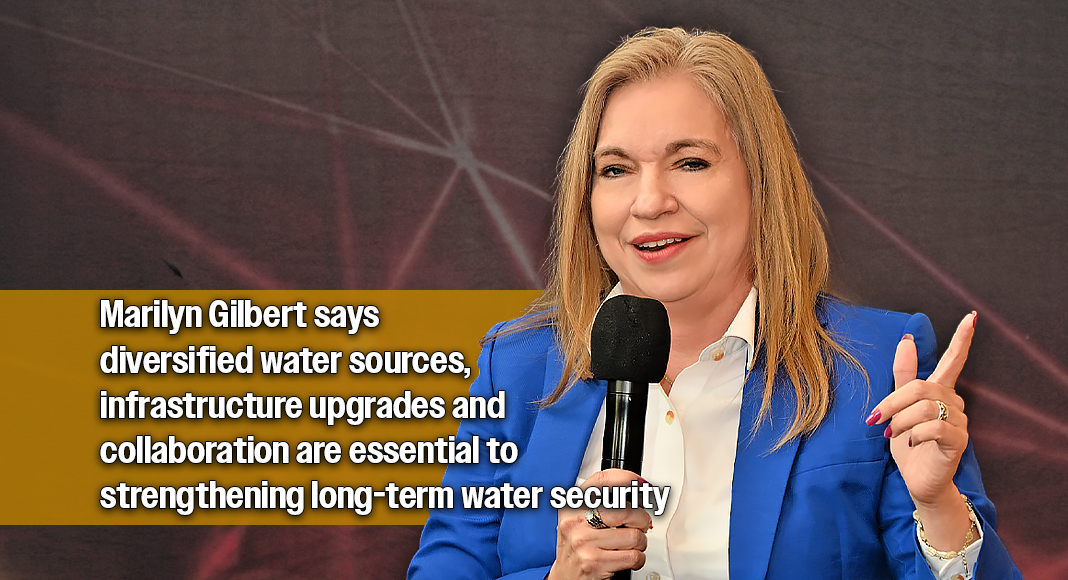
BROWNSVILLE, Texas — Marilyn Gilbert, general manager and CEO of the Brownsville Public Utilities Board, said the Rio Grande Valley must continue diversifying its water supply as drought, growth, and aging infrastructure place pressure on regional systems.
Speaking during the RGV Connect Water Forum on April 15, 2026, Gilbert said Brownsville is “the last entity that actually takes out water from the river” on the U.S. side before Matamoros. She said that location creates “unique opportunities and challenges” for Brownsville and other downstream users.




The forum was moderated by Colin McDonald, director of strategic partnerships for the Texas Water Foundation. Panelists included representatives from municipal, county, agricultural, and public utility sectors.
McDonald said the Valley is not facing the loss of water altogether, but a change in the reliability of the water system that helped build the region. “You’re not going to run out of water down here in the Valley, but the water that the Valley was built on, the unlimited water that created the Magic Valley at the turn of the century, the reliability and quality of that water is not what it once was,” McDonald said.
Gilbert said Brownsville PUB has worked for years to reduce dependence on surface water from the Rio Grande. She cited the South Regional Water Authority, brackish groundwater desalination, reservoir expansion, water reuse, and conservation as parts of Brownsville’s water strategy.
She said the brackish desalination plant treats groundwater that was too salty for normal use but less salty than seawater. Gilbert said the system helps provide an alternate supply for Brownsville and its partners.

Gilbert also said the state awarded Brownsville PUB $40 million for the Banco Morales reservoir expansion, a project she said
She said Brownsville PUB is also advancing an indirect potable reuse project that could provide an additional eight million gallons per day. “That’s less dependency on the surface water and another alternate source,” Gilbert said.
Gilbert said the region must avoid losing focus if rainfall or storms temporarily refill reservoirs. “My hope is that we don’t fall into that pattern again—that another storm comes, water levels rise, and we simply forget about these issues,” she said.

McDonald said regional collaboration is setting the Rio Grande Valley apart from other parts of Texas. “There’s no other place in Texas where entities that would traditionally compete are working together like this,” McDonald said. “There’s a tremendous opportunity here to set a new precedent for Texas.”
Other panelists discussed the economic effects of drought. Brian Jones, Texas Farm Bureau state director for District 13, said the closure of the Rio Grande Valley Sugar Mill in February 2024 was a permanent loss for the region. He said the citrus industry is also under pressure.
Hidalgo County Commissioner David Fuentes discussed a water reclamation project that would use drainage and agricultural runoff as a new water source. Brownsville City Commissioner Bryan Martinez said cities must use local tools, public-private partnerships, and conservation measures to reduce pressure on water systems.

Gilbert said aging infrastructure remains one of the biggest challenges. “If you repair a lot of the lines, then we will be able to let less water go into there,” she said, adding that Brownsville’s water losses are below the state average but still represent wasted water.
She said future growth should help pay for the infrastructure it requires. Gilbert said large industrial users seeking guaranteed water capacity may need agreements that help fund new water sources without shifting the cost to existing customers.
The RGV Connect forums are organized by the Rio Grande Valley Partnership to bring together business leaders, elected officials, and community stakeholders around regional issues and legislative priorities.
See related stories: