
















Texas Border Business




By David Vergun, Pentagon News | USDOW
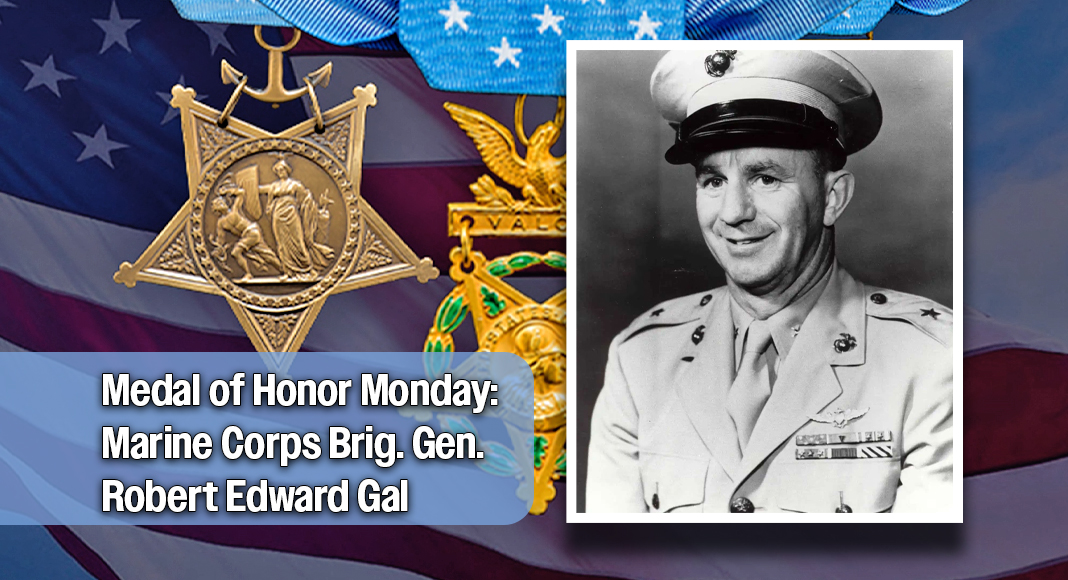
Marine Corps Brig. Gen. Robert Edward Galer was a fighter pilot during World War II and went on to serve more than 20 years on active duty. He received the Medal of Honor for his actions in the skies over Guadalcanal in 1942.
Galer was born Oct. 23, 1913, in Seattle. He was the youngest son of Frederick George Galer and Mary Loretta Leahy, and he had two older brothers, Vincent and Fred Galer Jr.




Galer went to Queen Anne High School, where he excelled in sports, playing basketball, football, baseball and tennis, as well as running track. After high school, he attended the University of Washington in Seattle, where he was an All-American basketball player and a member of Navy ROTC. He graduated in 1935 with a bachelor’s degree in industrial engineering. Following graduation, he enlisted in the Marine Corps because he wanted to fly quicker than an officer commission would allow. Galer began flight training at Naval Air Station, Pensacola, Florida, and about halfway through the course, he was offered an officer commission and became a second lieutenant in July 1936.
In April 1937, he was assigned to the 1st Marine Brigade, Marine Corps Base Quantico, Virginia, for duty with Aircraft One. Over the next year, he served at The Basic School in Philadelphia, and he was briefly assigned to the Brooklyn Navy Yard before being ordered to St. Thomas in the U.S. Virgin Islands, where he served with Marine Scouting Squadron-3.
He married his first wife, Dorothy Beyer, shortly before the start of World War II. They had two children: Vincent and Robert Tipton Galer, who later retired as a colonel from the Air Force. Galer’s first marriage ended in divorce, and he married his second wife, Sharon Alexander, in 1981; he became the stepfather to her children, Charles and Christine.
Galer transferred to Marine Corps Air Station Ewa Field on Oahu, Hawaii, in January 1941. In an August 1998 interview, he described the days leading up to the Dec. 7, 1941, Japanese attack on Pearl Harbor.
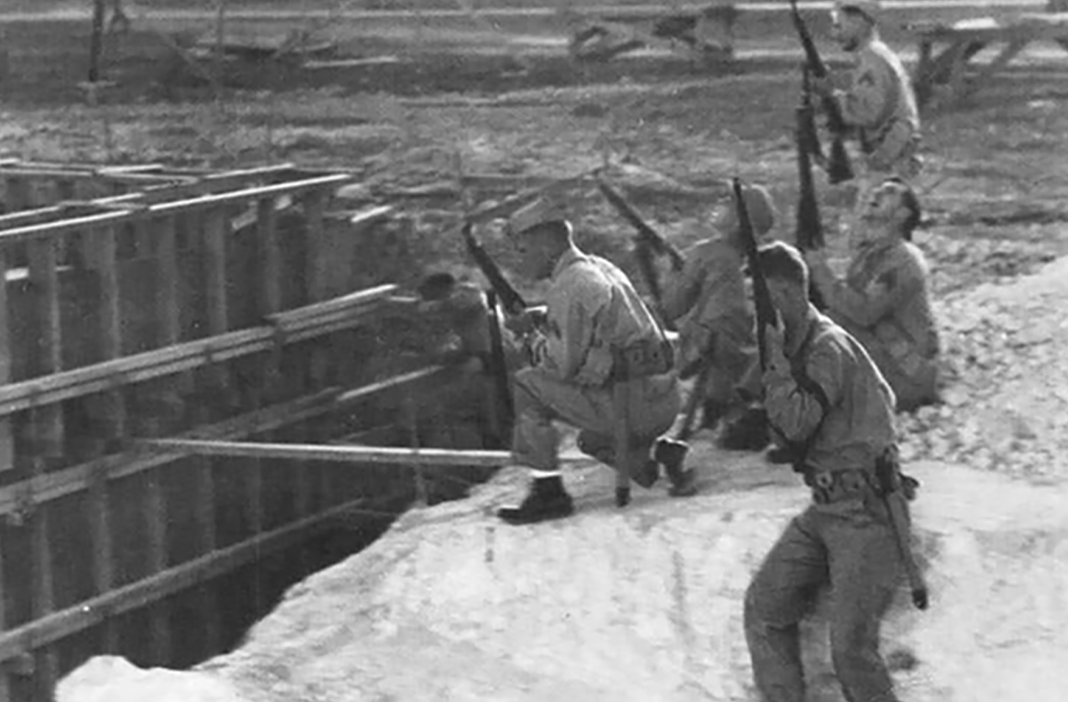
“There was practically no mention of trouble with Japan,” Galer said. “In fact, the Saturday before the attack, we lined up the airplanes, wingtip-to-wingtip, and nobody even mentioned that we should scatter them.”
Ewa had very little damage from the attack, except for the airplanes. Galer said none of them were operational, so the Marines were issued rifles.
Four Marines at Ewa were killed during the attacks, becoming some of the first American casualties of World War II. Galer and his fellow Marines on the ground fought back with machine guns, rifles and pistols.
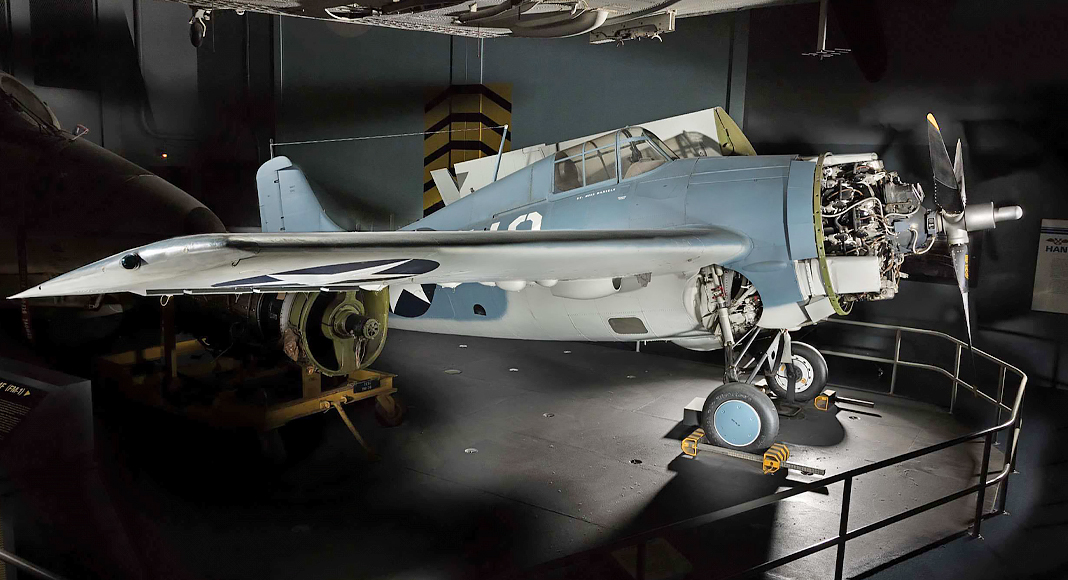
From Aug. 30 to Sept. 28, 1942, the dates of his Medal of Honor action, Galer, now a major, was the commander of Marine Fighter Squadron 224, Marine Aviation Group 21, flying over the skies around Guadalcanal in the Solomon Islands in the South Pacific in an F4F-4 Wildcat.
His citation reads that he led his squadron in aerial combat with enemy forces in daring and aggressive raids against Japanese aerial forces, which were vastly superior in numbers.
Navy via USDOW
He availed himself of every favorable attack opportunity, shooting down 11 enemy bomber and fighter aircraft over a period of 29 days. Though suffering the extreme physical strain attendant upon protracted fighter operations at an altitude above 25,000 feet, the squadron, under his zealous and inspiring leadership, shot down a total of 27 Japanese planes.
Galer received the Medal of Honor from President Franklin D. Roosevelt during a White House ceremony held March 24, 1943.
The following month, he was assigned to Marine Corps Air Depot Miramar, in Southern California, where he was the assistant operations officer. He was promoted to lieutenant colonel and returned to Ewa in November 1943, where he was chief of staff, Marine Air, Hawaiian Area. During his 1998 interview, Galer said he was told Medal of Honor recipients wouldn’t fly again, so he trained units on “this new-fangled radar.”
In July 1945, he took command of a cadet regiment at Marine Barracks, Naval Air Training Base, Corpus Christi, Texas, a position he held for two years before he attended the Armed Forces Staff College in Norfolk, Virginia.
Galer remained on active duty another 10 years, with assignments at Marine Corps Air Station Cherry Point in North Carolina, Naval Air Station San Diego and the 1st Marine Aircraft Wing in South Korea. He was promoted to colonel in March 1951.
On Aug. 5, 1952, while flying an AU-1 Corsair, Galer was shot down by antiaircraft fire over North Korea, while leading a squadron attack near Wonsan. After parachuting safely to the ground, he evaded capture by hiding in a cornfield.
Upon his rescue, Galer said, “I do know that every pilot flying in this theater should have the highest possible morale with the knowledge that so many are ready and willing to risk so much to get them [when they are shot down].”
After being hospitalized for two months for injuries sustained from ejecting from his aircraft, Galer was assigned as the assistant chief of staff for personnel at Marine Corps Air Station El Toro, California.
His final assignment was with the Guided Missiles Division for the Department of the Navy, in Washington, where he served as the assistant director and then the acting director in January 1956.
Galer retired from the Marine Corps July 31, 1957, and he was meritoriously promoted to brigadier general. That same year, he graduated from George Washington University in Washington with a master’s degree in engineering administration.
Following his retirement, Galer moved to Dallas, where he worked in the defense industry and then at a real estate firm.
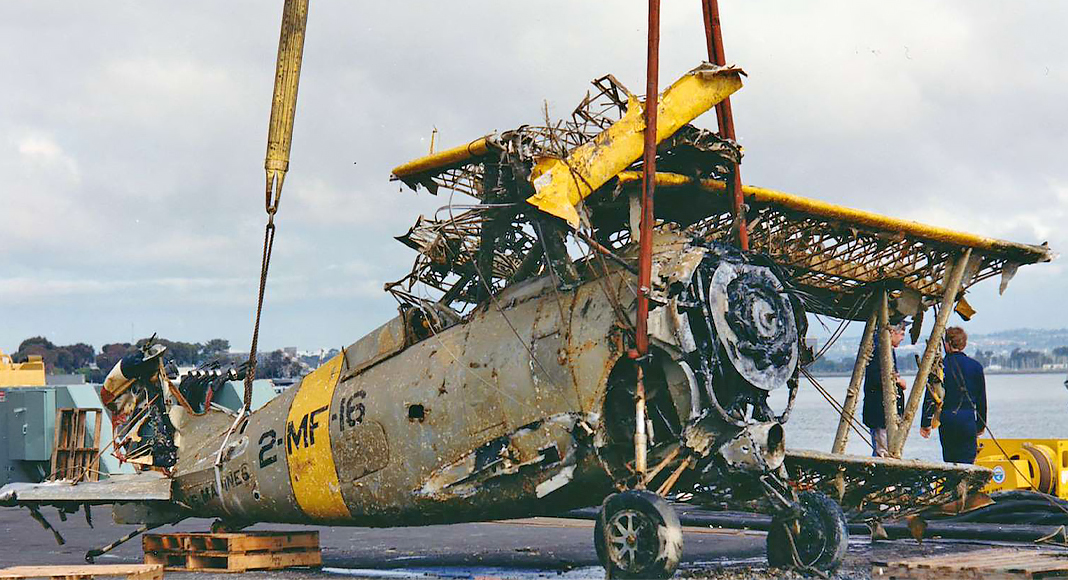
In the early 1990s, he collaborated with the San Diego Air and Space Museum to restore the F3F biplane that he had ditched off the coast of San Diego in 1940 due to a mechanical failure. It was recovered from the ocean floor April 5, 1990, at a depth of 1,800 feet.
Galer died June 27, 2005. He is buried alongside his wife, Sharon, in the Texas State Cemetery in Austin, Texas.
In addition to the Medal of Honor, he also received the Legion of Merit with Valor, the Distinguished Flying Cross with one gold star, the Air Medal with four gold stars and the Purple Heart.
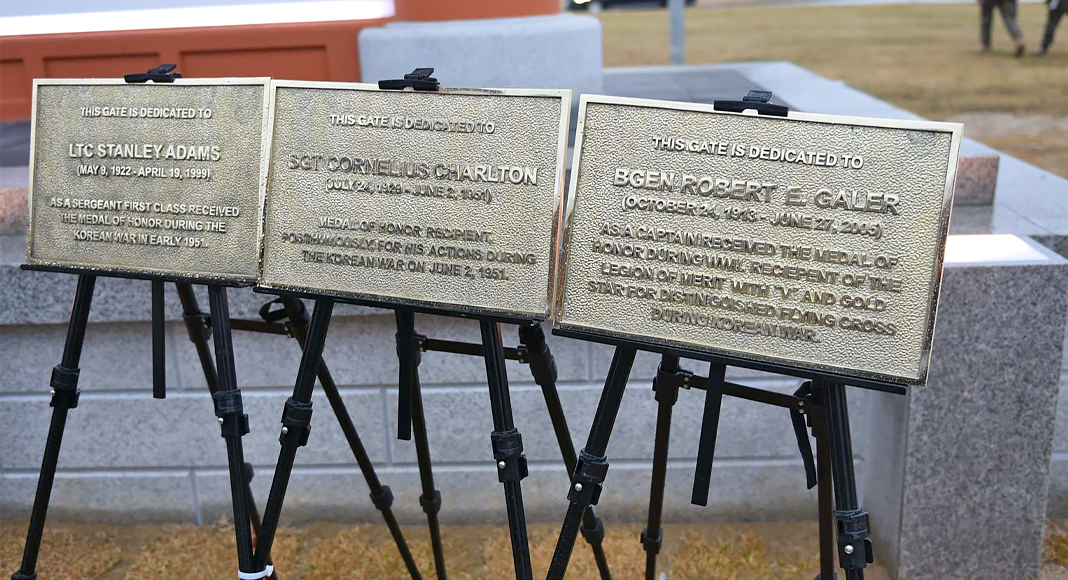
On Dec. 17, 2020, a plaque was dedicated to Galer at Camp Humphreys, South Korea. There’s also a monument dedicated to him and other military alums on the campus at the University of Washington in Seattle