










Texas Border Business



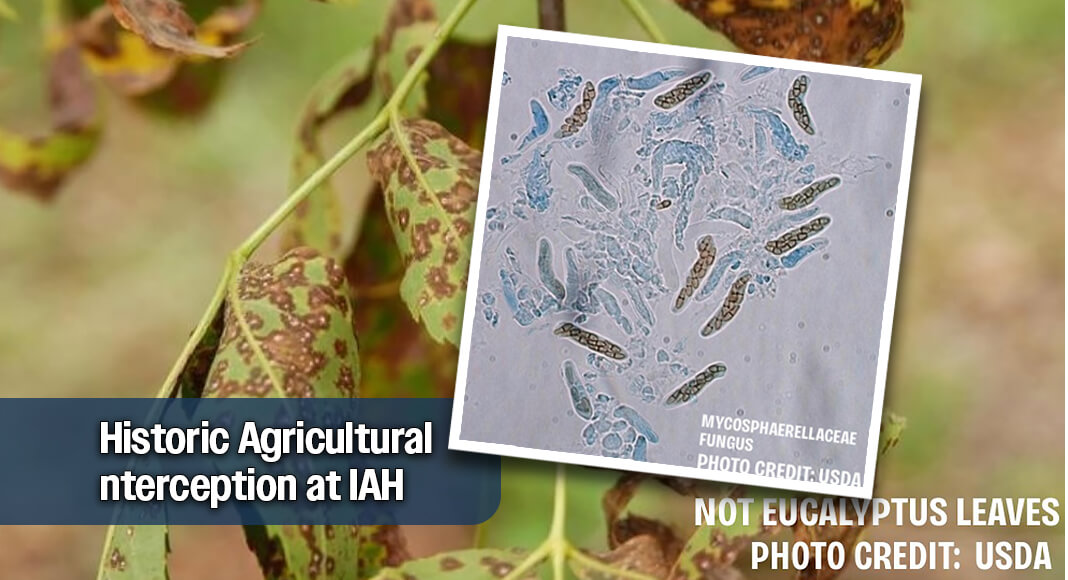
HOUSTON — U.S. Customs and Border Protection agriculture specialists at George Bush Intercontinental Airport (IAH) recently intercepted a plant pathogen never before detected at a U.S. port of entry.
During an inspection of baggage belonging to a traveler from New Zealand, CBP agriculture specialists discovered eucalyptus leaves that exhibited signs of a suspected plant disease. Recognizing the potential risk to U.S. agriculture, CBP agriculture specialists intercepted the items and forwarded samples to the U.S. Department of Agriculture plant pathologists for further analysis.
The USDA laboratory confirmed the pathogen as Davisoniella eucalypti (Mycosphaerellaceae). This detection marks the first time this specific pathogen has been intercepted in the United States.


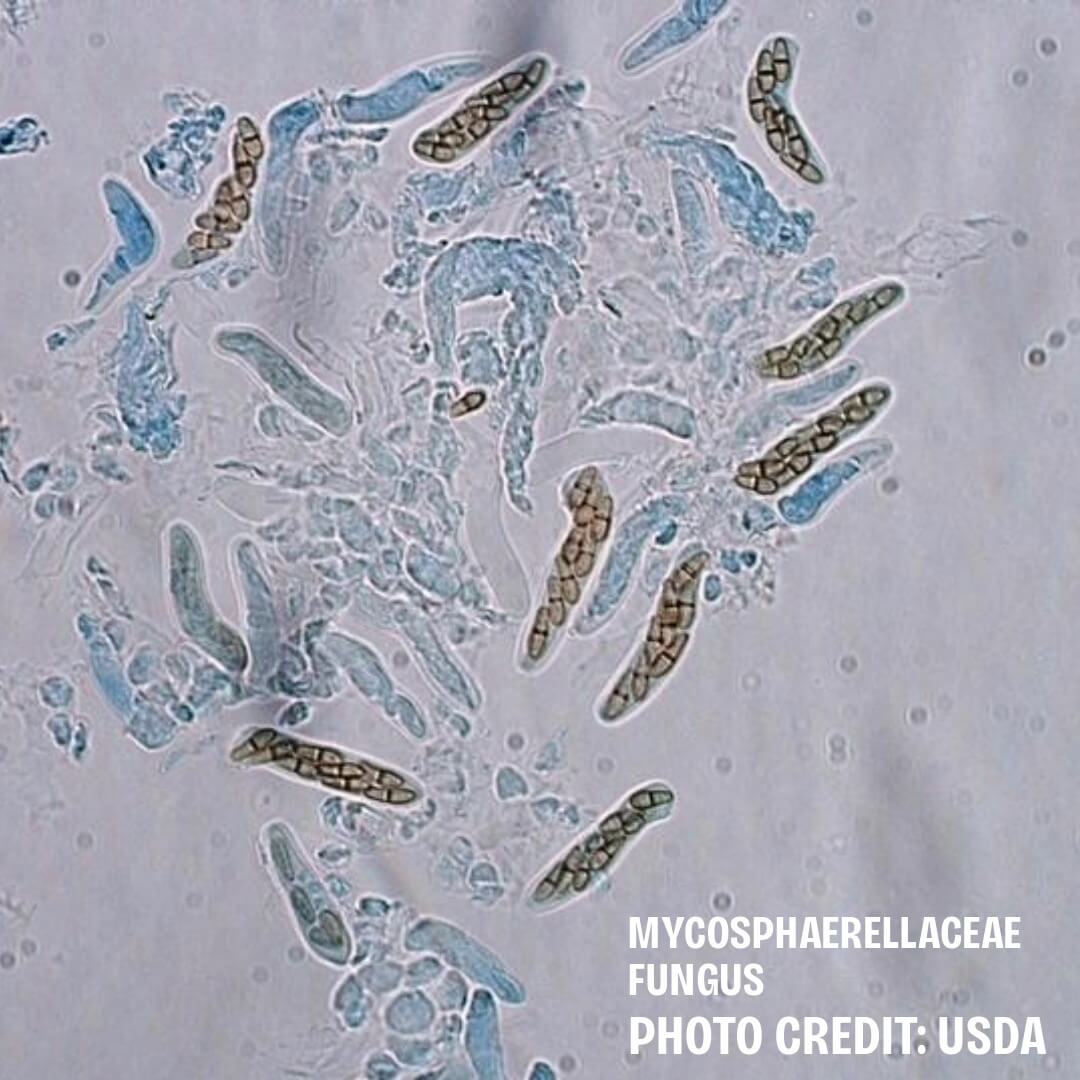
Davisoniella eucalypti is a fungal pathogen that poses a significant threat to Eucalyptus species. If introduced into the United States, the pathogen can cause severe defoliation and reduced growth rates, which would negatively impact the health of the trees and the economic viability of the timber and ornamental nursery industries. By intercepting this pathogen at the port of entry, CBP has prevented the potential establishment of a disease that could have necessitated long-term management and caused cumulative damage to U.S. forestry and agricultural interests.
“This interception highlights the critical, frontline role our agriculture specialists play in safeguarding our nation’s agricultural resources and ecosystem,” said Rod Hudson, CBP Houston Area Airports Port Director. “By identifying and stopping this pathogen at the port of entry, our CBP agriculture specialists prevented a potential threat from entering the country, demonstrating the effectiveness of our layered enforcement strategy.”
CBP agriculture specialists are the first line of defense in the protection of U.S. agriculture, forest, and livestock industries from the introduction of harmful pests and diseases. On a typical day, CBP inspects thousands of international passengers and cargo shipments to ensure compliance with federal regulations.
The intercepted eucalyptus leaves were destroyed in accordance with USDA protocols to mitigate any risk of the pathogen spreading.