















Texas Border Business




By Texas Border Business
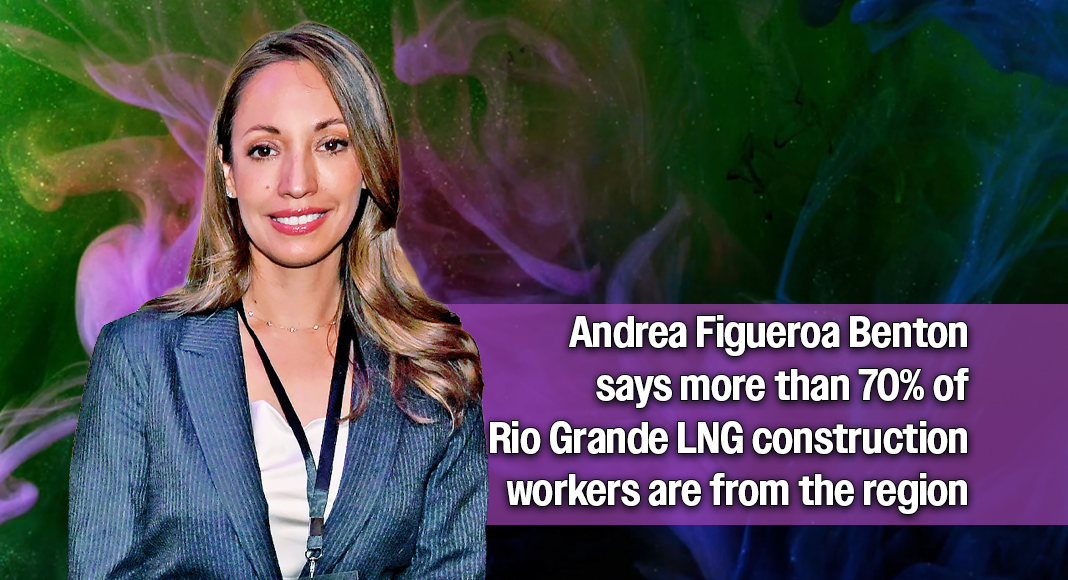
HARLINGEN, Texas — Andrea Figueroa Benton, director of community relations for NextDecade, said the Rio Grande Valley has demonstrated it can provide the workforce needed for one of the region’s largest industrial projects, with more than 70% of workers at the Rio Grande LNG construction site coming from the Valley.
Figueroa Benton spoke Aug. 13 during the Human Capital and Workforce panel at the Powering Texas & Regional Growth Infrastructure + Workforce Exchange, hosted by the Institute for Leadership in Capital Projects RGV Chapter and the Harlingen Economic Development Corporation.




The project has more than 6,000 workers at the site, she said. NextDecade defines local workers as those living within a 100-mile radius of the project. Brownsville is the largest source of workers, while Harlingen is the second-largest source within Cameron County, she said.
“What we have learned is that in order for projects like ours to be successful, it doesn’t just depend on the infrastructure,” Figueroa Benton said. “A lot of that also depends on the workforce.”
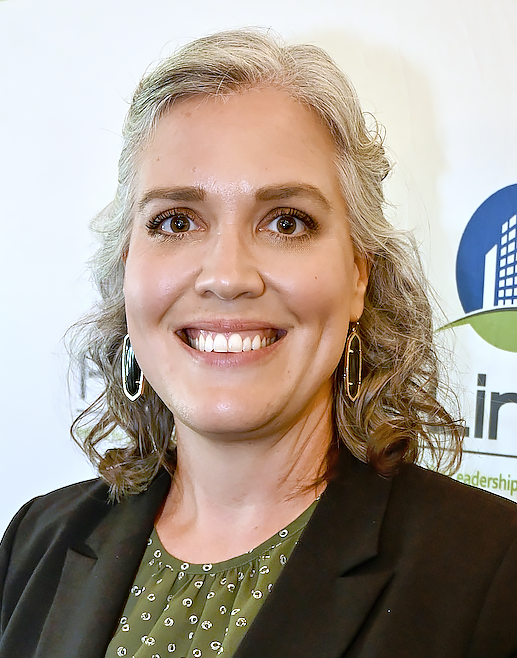
Beverly Loftus, chief operating officer of the Harlingen Economic Development Corporation, framed the regional challenge during the event’s infrastructure discussion.
“When a major company comes to the city or comes to the area, they’re not evaluating us as Harlingen or as Brownsville or as McAllen,” Loftus said. “They’re really going to look at us as a region.”
Figueroa Benton said workforce availability was among the factors considered when NextDecade selected the Port of Brownsville for Rio Grande LNG. The company also considered the port, weather, and geotechnical conditions.
She said NextDecade initially committed to employing at least 35% local workers. Bechtel, the construction company building the facility, believed it could exceed that figure because Rio Grande Valley residents were already working on Bechtel projects elsewhere along the Gulf Coast and around the world.
“We have found that we have the workforce that is needed for this project,” Figueroa Benton said.
She said the project has allowed some Valley residents who previously traveled elsewhere for work to return home.
Figueroa Benton also described NextDecade’s community investment strategy, saying the company relies on conversations and partnerships to identify local priorities rather than deciding independently where its contributions should go.
The company’s community investment efforts are organized around four areas: poverty reduction, community development, environmental initiatives, and wellness and safety. Education has received the largest share of that investment, she said, including scholarships and support for educational programs.
NextDecade also offers internship opportunities at its Houston headquarters and in the Rio Grande Valley, she said.
Figueroa Benton said the company views education and workforce preparation as investments extending beyond construction of Rio Grande LNG.
“When it all comes down to success, it is measured by how the workforce is prepared, if we are employing local people from the Rio Grande Valley, and if we are educating those members of the community for jobs beyond our project and for generations to come,” she said, to create lasting regional economic development.
See related story:https://texasborderbusiness.com/harlingen-edc-co-sponsors-regional-forum-on-power-water-and-workforce-demands/