















Texas Border Business




By Marine Corps 1st Lt. Blake Starbuck, Marine Corps Air Station Miramar | US DOW
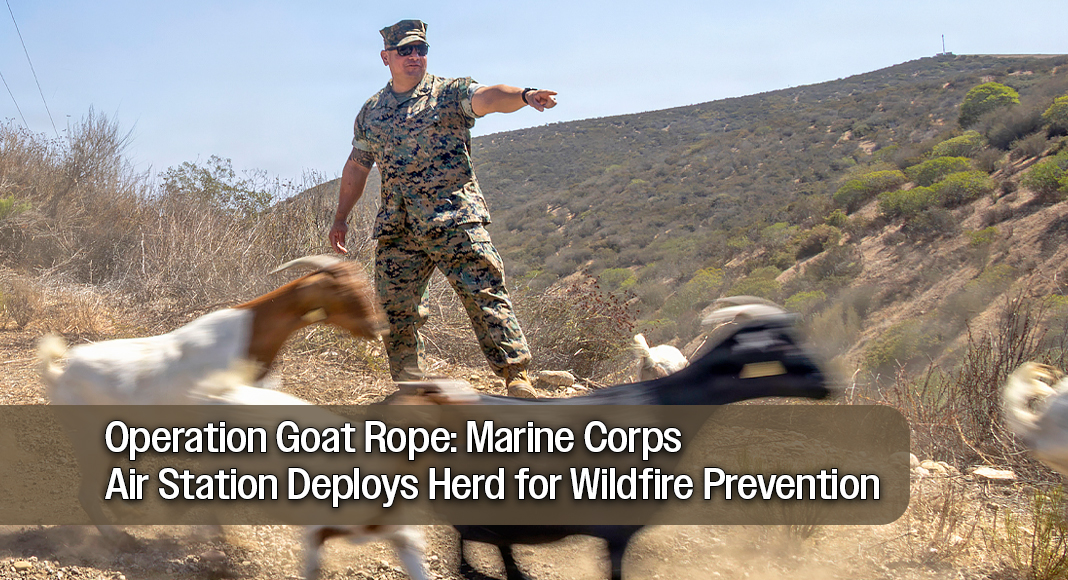
Marine Corps Air Station Miramar, California, is leaning into an unconventional, deeply historical and highly effective tool for mitigating fire risk: goats.
The installation is releasing herds of grazing animals in a targeted effort to reduce dry brush and invasive grasses, a nature-based solution to protect military infrastructure and the neighboring civilian communities.



The Operation Goat Rope pilot program is the first of its kind on a U.S. military installation and a critical component of Marine Corps Air Station Miramar’s broader fire prevention strategy. It includes 471 goats and a team of dedicated herders from a local prescribed grazing company in Southern California.
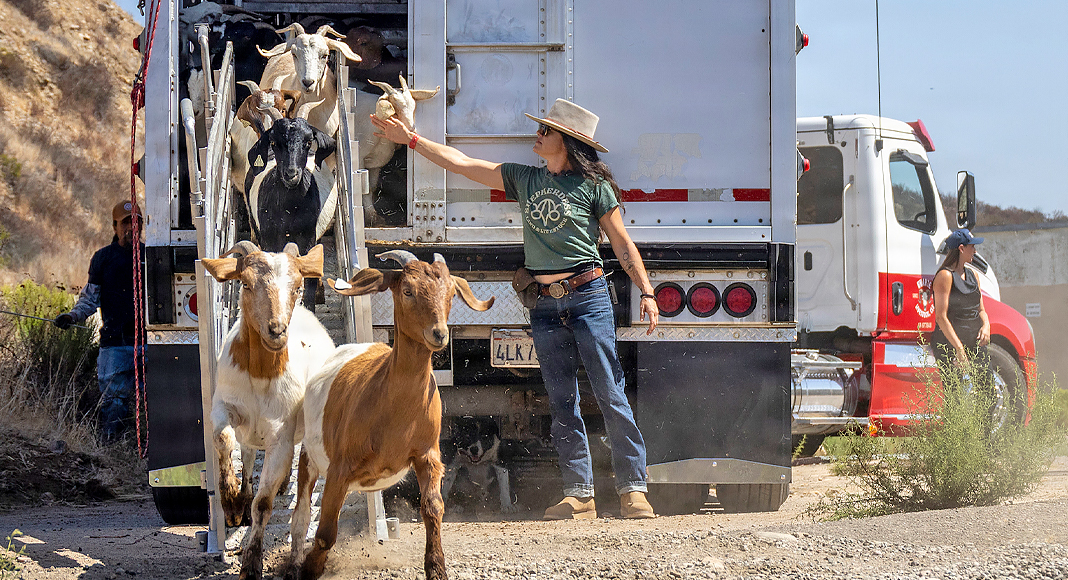
Base officials are executing a highly coordinated attack on the dense desert shrubs and non-native vegetation that act as tinder during the region’s notorious dry seasons. This targeted grazing service is not merely about clearing land; it is a calculated effort to restore landscape resilience.
By selectively thinning overgrown areas, the goats help create strategic fuel breaks.
“When wildfire sparks in Southern California, defensible space is our greatest asset,” said Joshua Allen, Marine Corps Air Station Miramar fire chief. “The strategic fuel breaks created by this targeted grazing program slow a fire’s advance and lowers the energy released. This gives our firefighting crews the critical time and tactical advantage they need to suppress a blaze safely and effectively before it escalates.”