















Texas Border Business





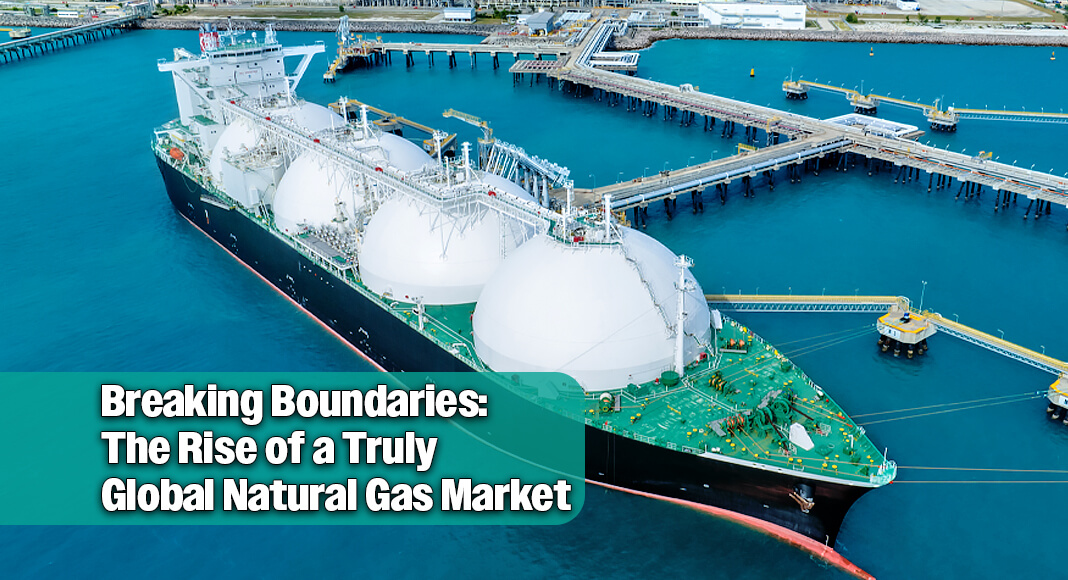
The process of compressing natural gas into a liquefied form and transporting it around the world has been a true game changer. Previously constrained by pipeline routes, the natural gas market had been largely regional and domestic. Now, areas with abundant supplies can access areas an ocean away, thus creating a functioning global market.
The US liquefied natural gas (LNG) industry is expanding rapidly. The US Energy Information Administration (EIA) reports that exports averaged 17.4 billion cubic feet per day (Bcf/d) in the first six months of 2026, a 23% increase compared to the same period in 2025. It’s an impressive increase, especially given that, just 10 years ago, exports were close to zero.
A number of facilities have come online, with both new terminals and expansions of existing ones. With the ongoing disruptions of shipments through the Strait of Hormuz as well as European imports of Russian natural gas ceasing, prices have been high enough for most operators to be maximizing output.




Most US exports of LNG go to Europe, and are particularly high for the Netherlands, Italy, France, the UK, Germany, and Spain. Asia is another major market, and without access to producers in the Middle East due to the ongoing conflict, US exports to the region are up sharply. Egypt is another important market.
For importing countries, US LNG offers a relatively low-emissions fuel to meet the needs of households and businesses. With Russian sources of natural gas off the table indefinitely, Europe and other areas will continue to need reliable supplies that are largely free of geopolitical risk.
More new liquefaction trains are in the works, increasing potential exports down the road. Virtually all of these facilities are located along the Gulf Coast of Texas and Louisiana. We have analyzed most of the current and proposed LNG facilities during the permitting and development process. They generate a substantial, though transitory, increase in business activity during construction. Once in operation, they provide well-paying jobs on an ongoing basis.
They also help support the natural gas market, which has seen historically low prices in the not-too-distant past. Gas is produced along with oil in the Permian Basin and other major formations (as associated gas), and while pipelines to the LNG facilities remain an issue, recent capacity additions have helped tap into this valuable resource which otherwise would be an oversupply problem.
The development of the LNG market provides a variety of benefits. Business activity increases where facilities are located as well as in production areas, in turn generating jobs, spending, and higher tax receipts. The US natural gas market is expanded, stabilized, and supported. Homes, businesses, and manufacturing facilities in Europe and elsewhere have better access to the fuels they need. Stay safe!
_________________
Dr. M. Ray Perryman is President and Chief Executive Officer of The Perryman Group (www.perrymangroup.com), which has served the needs of more than 3,000 clients over the past four decades.