









Texas Border Business



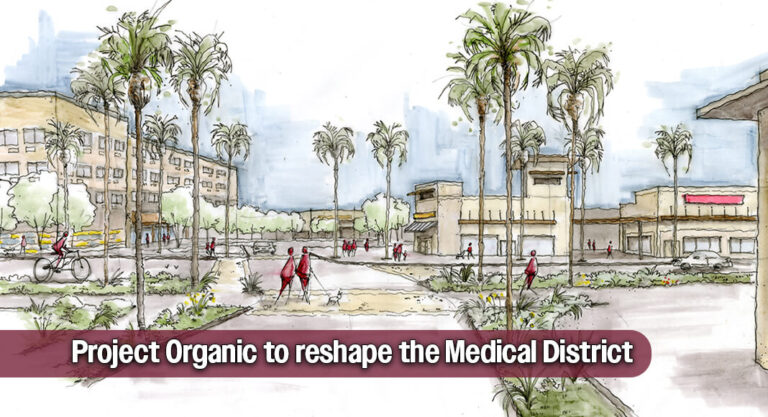
Texas Border Business presents an exclusive six-part editorial series exploring Project Organic, an ambitious 71-acre mixed-use development planned for Harlingen’s Medical District, with an estimated $97 million in private construction investment. Based on an extensive exclusive interview with Orlando Campos, chief executive officer of the Harlingen Economic Development Corporation, and architectural information provided by Alamo Architects, the series examines the vision, planning, and economic opportunities behind this award-winning master plan.
Published daily for six consecutive days, the series will provide readers with a comprehensive understanding of the project’s infrastructure financing, business opportunities, job creation, residential development, architectural design, and anticipated construction timeline. Its purpose is to inform residents, entrepreneurs, investors, and business leaders throughout the Rio Grande Valley about Project Organic and its potential contribution to Harlingen’s long-term economic growth. Texas Border Business
By Roberto Hugo González / Texas Border Business


HARLINGEN, Texas — The Harlingen Economic Development Corporation (HEDC) plans to issue approximately $9 million in bonds to help finance $15 million in public infrastructure improvements for Project Organic, a proposed mixed-use development in Harlingen’s Medical District.

In an exclusive interview with Texas Border Business, Orlando Campos, chief executive officer of the HEDC, explained the financing mechanism, the responsibilities of public and private partners, and the contractual provisions established to protect public investment.
The financing strategy centers on a Tax Increment Reinvestment Zone (TIRZ), which allows increases in property tax revenue generated by development within a designated area to be reinvested in public infrastructure.
“As private development occurs within the TIRZ, the incremental increase in property tax revenue is reinvested in the public infrastructure to catalyze more private development within the TIRZ,” Campos said.
Under the proposed financing arrangement, future revenue generated within the zone would repay the bonds. Campos explained that issuing the bonds through the economic development corporation places responsibility for debt service on the HEDC.
“Future TIRZ revenue will be used to cover bond debt service,” Campos said. “By issuing the bonds through the EDC, we basically take on the risk of debt service without impacting Harlingen taxpayers.”
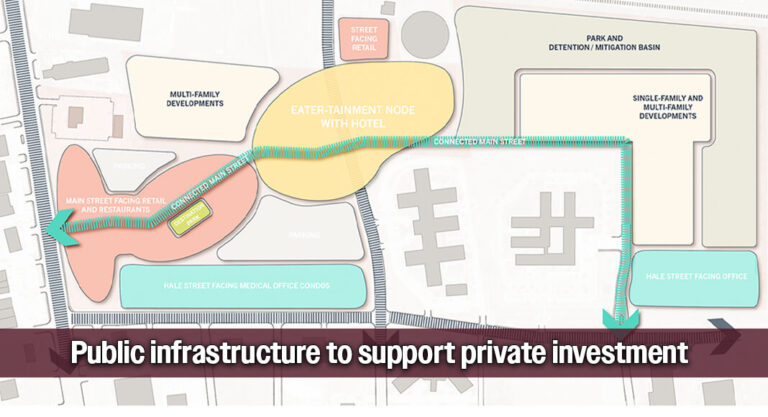
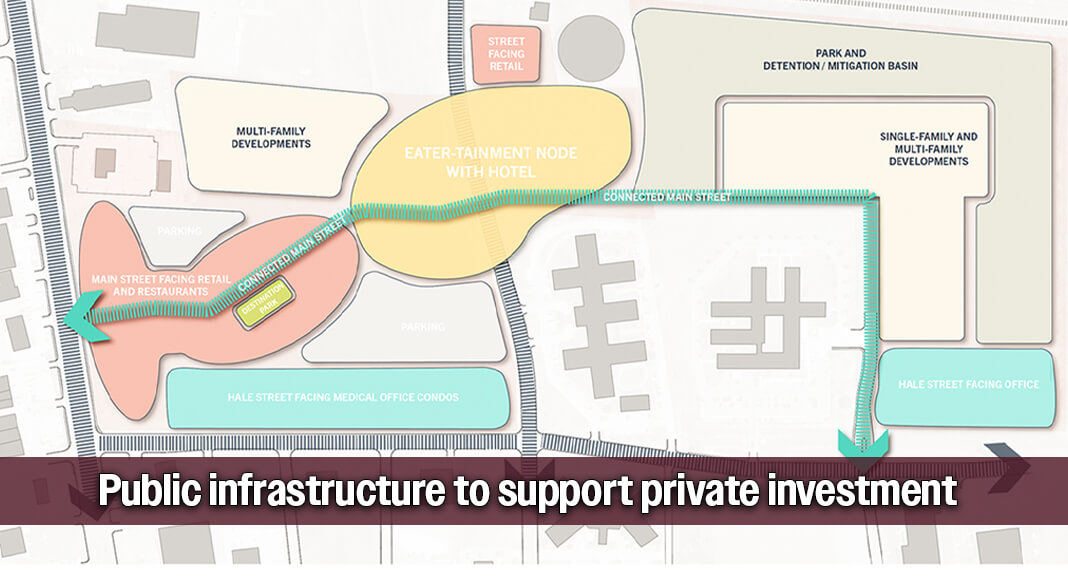
The development involves about 19.8 acres owned by the HEDC, with the remaining property owned by three private entities. The partnership establishes separate responsibilities for infrastructure improvements and private construction.
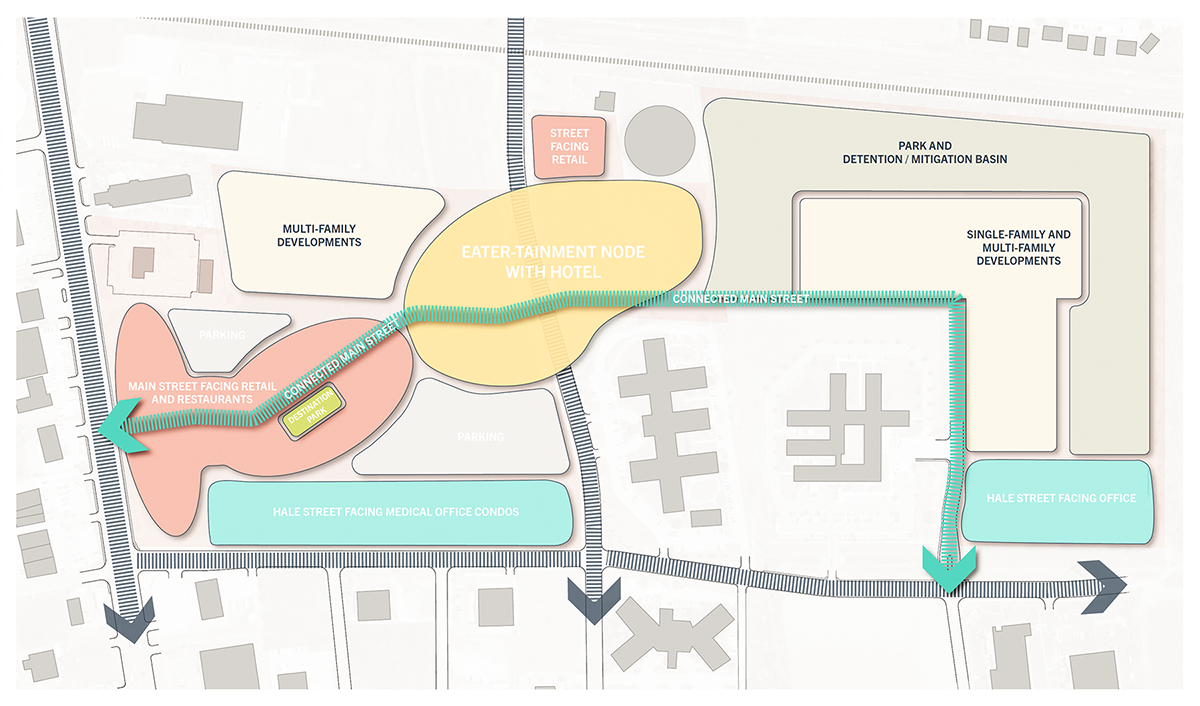
Drainage infrastructure represents an important component of the public investment. Campos explained that the properties were previously located in a floodplain, requiring a large detention pond to mitigate potential flooding.
“The EDC is dedicating a large portion of its property to the detention pond so private developers can optimize new vertical construction on their sites,” Campos said.
Alamo Architects incorporated the detention basin into the master plan as a potential recreational amenity, combining necessary drainage infrastructure with naturalized public park space.
The financing arrangement also includes provisions requiring private property owners to fulfill construction obligations. These requirements are intended to ensure that private development follows public infrastructure expenditures.
“As part of our private/public partnership, private property owners have agreed to meet certain construction milestones or reimburse the EDC for investments made in the public infrastructure,” Campos said.
The master plan prepared by Alamo Architects identifies, prioritizes, and estimates the costs of essential infrastructure projects. These improvements are intended to establish the conditions necessary for subsequent private construction.
Campos said the HEDC worked with the TIRZ Board, the City of Harlingen and Cameron County to update the zone’s project and finance plan. The cost of the proposed public infrastructure improvements has been made public.
The corporation will monitor compliance with construction milestones established with private property owners as development progresses. Campos emphasized the importance of protecting public resources while encouraging private investment.
“At the end of the day, we have to be responsible fiduciary custodians of public funds,” Campos said.