











Texas Border Business



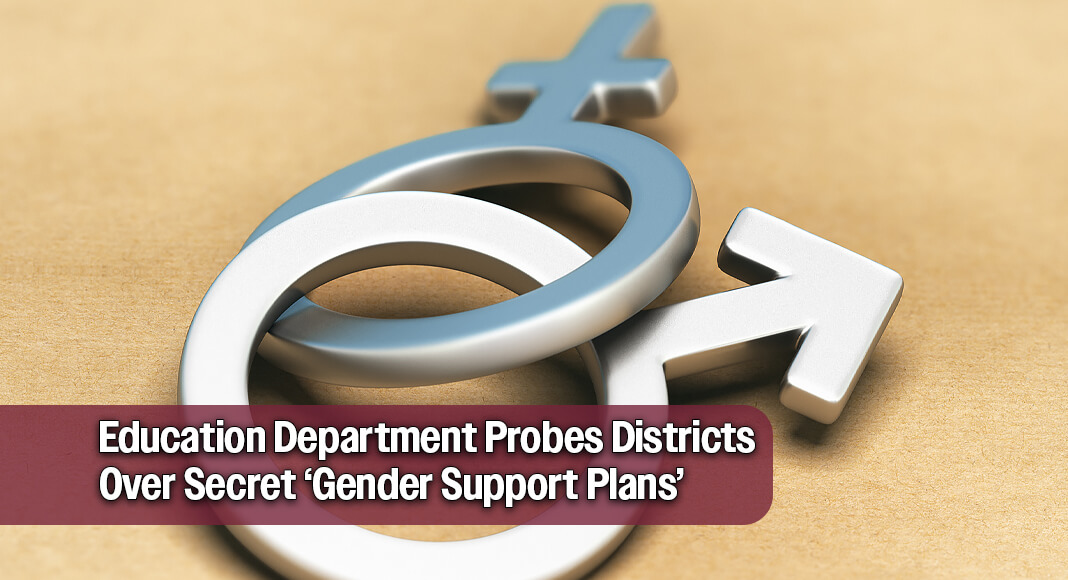
WASHINGTON DC – The U.S. Department of Education (the Department) continues its historic work to restore parental rights by opening investigations into school districts across the country for policies that appear to conceal information from parents about a child’s “gender identity” and actively facilitate “gender transitions” behind parents’ backs. These districts provide forms like “Gender Support Plans,” which ask minors to choose what names and pronouns they want to use in school, whether they want to receive counseling and “gender transition” support, and whether they want the school to keep their “gender identity” hidden from parents. The Department’s Student Privacy Policy Office (SPPO) will determine whether the districts violated Protection of Pupil Rights Amendment (PPRA), which requires schools to seek parental consent before asking students to fill out forms that reveal private information about themselves and their families, as well as the Family Educational Rights and Privacy Act (FERPA), which requires schools to allow parents to inspect their child’s education records.
SPPO will investigate five school districts: Colonial School District in Pennsylvania, Eau Claire Area School District in Wisconsin, Thompson School District in Colorado, Community Unit School District 300 in Illinois, and St. Paul Public Schools in Minnesota. In order to circumvent parental involvement, several of the districts encourage maintaining “Gender Support Plans” (or similar records) in separate filing systems. District policies also allow school personnel to use a child’s legal birthname and sex when communicating with their parents but use the student’s “preferred name” and “preferred pronouns” when at school.
“The practice of schools withholding the most sensitive information about students from their own parents is unacceptable,” said Frank Miller, Director of the Student Privacy Policy Office. “The law is clear: schools do not decide what information is shared with parents, the law does. Parents are the first-decision makers in their children’s lives and education, and SPPO will hold every educational institution accountable to ensure it upholds parental rights.”


Background:
The Trump Administration continues to take unprecedented action to protect parental rights, hold schools accountable, and ensure parents are not kept in the dark about their children’s education and well-being. This comes after the Biden Administration turned a blind eye as school personnel across the nation secretly facilitated children’s so-called “gender transitions” without parents’ knowledge or consent.
Colonial School District, PA has a Board Policy 256, “Gender Expansive and Transgender Students,” that provides students the “right” to keep their gender status private and “does not require additional parental/guardian consent.” The District also maintains a confidential “Gender Support Plan” form to ask a student’s preferred name, pronouns, his or her “go-to” adult at school, and, whether or not parents should be included in their transition or informed.
Eau Claire Area School District, WI includes a “Gender Support Plan” on its website, which asks students for their preferred name, “gender identity,” and pronouns. Notably, the form asks students how safe they feel with their parents knowing about their “gender transition and identity,” who they trust at school, and which intimate facilities, such as bathrooms and locker rooms, they feel they belong in. A previous lawsuit against the District alleged it violated parents’ right to know and be notified about their children’s so-called “gender transition.”
Thompson School District, CO has a similar confidential “Gender Support Plan” to that of Colonial and Eau Claire. The district’s Board Policy AC-E-3 further states that school staff should discuss with transitioning students the possible ramifications of involving their parents—such as putting students’ safety at risk.
Community Unit School District 300, IL has LGBTQ+ Resources that include a confidential “Gender Support Plan” template asking for the student’s preferred name, gender, and whether their parents are aware of their “gender identity.” Students also have the right to decide how much information is shared with their parents. A mother recently suedCommunity Unit School District 300 for allegedly facilitating her child’s “gender transition” without her knowledge or consent. The school even refused to disclose her child’s “gender identity” after her child was hospitalized for suicidal thoughts. According to the lawsuit, the district ultimately stopped communicating with the mother entirely.
St. Paul Public Schools, MN has a “Gender Inclusion” policy that states the school and student will determine whether parents are involved in “social transitions.” The district also maintains a “Gender Support Plan” asking for the students’ preferred name, gender, and pronouns.
FERPA and PPRA are federal privacy laws enforced by the Department’s SPPO.
PPRA requires schools to provide notification and attain written parental consent when conducting surveys, analyses, or evaluations asking students for certain sensitive and private information such as the sex behaviors and attitudes, religious beliefs, or mental and psychological problems of the students or their family members.
FERPA gives parents the right to access their children’s education records, the right to request record corrections or amendments, and the right to control (with important exceptions) the disclosure of personally identifiable information in education records. Treating student records as “temporary records,” maintaining such records in separate repositories, or withholding information from parents all infringe on parents’ rights under FERPA.
These statutory obligations were emphasized and clarified in the SPPO’s recent Dear Colleague Letters issued in March 2025 and August 2026.
On October 5, 2026, the Department and the U.S. Department of Justice issued letters to all state Attorneys General pointing them to SPPO’s recent guidance and expressing concerns about their school districts’ lack of compliance with these federal laws regarding mental health screenings conducted in schools.
Violations of FERPA and PPRA can lead to enforcement actions and potential loss of federal funding.