











Texas Border Business



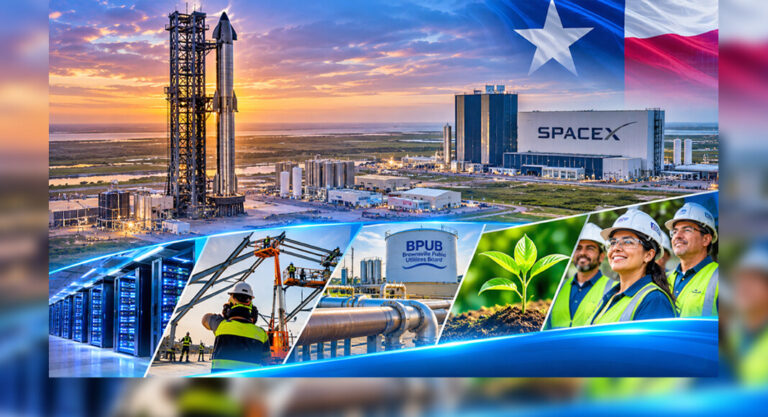
Texas Border Business is launching a special series of daily articles examining SpaceX’s expanding investments in Brownsville and Starbase and what these developments could mean for the entire Rio Grande Valley. From billions of dollars in planned supercomputing infrastructure and new employment opportunities to improvements in water supplies, environmental conservation, and public safety, the series will explore projects that could shape the region’s economic future. Each article will draw on SpaceX’s announcements to explain the scope of these initiatives and their potential benefits for South Texas.
The Rio Grande Valley is entering an important period of industrial and technological development, with Starbase playing a growing role in attracting investment and advanced industries. Through this series, Texas Border Business invites residents, business owners, entrepreneurs, educators, and community leaders to learn more about the projects underway, the opportunities they may create, and their significance beyond Brownsville. One article will be published each day, offering readers a closer look at SpaceX’s plans and the developments that could help position the Rio Grande Valley as a major center for aerospace, artificial intelligence, and advanced technology.
BY Texas Border Business



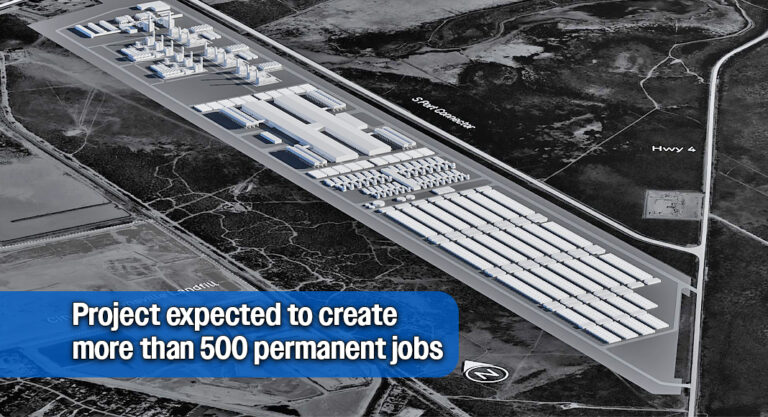
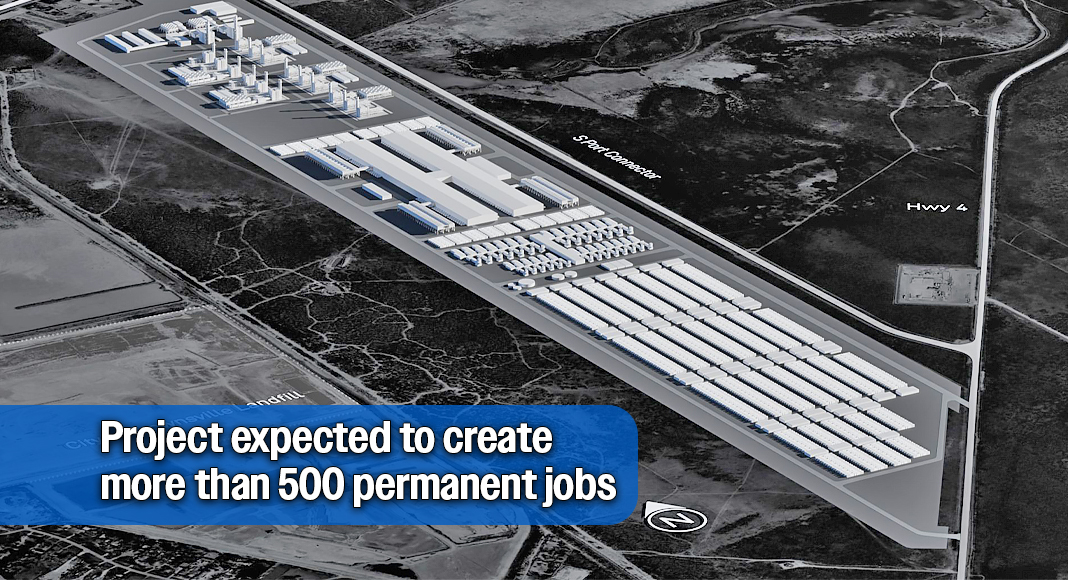
STARBASE, Texas — SpaceX plans to invest up to $24 billion in a major supercomputing facility on company-owned property near the Port of Brownsville and the City of Brownsville landfill, according to the company.
The proposed facility would train advanced artificial intelligence systems designed to support research and technological development in several industries.
SpaceX said the computing systems would focus on accelerating advances in medical research, emergency response, advanced manufacturing, and national security.
The facility would also help develop and test technologies intended for future space-based computing operations.
According to SpaceX, the project is designed to operate independently of the public electrical grid.
The company said the facility would generate its own electricity rather than draw power from existing public utilities.
SpaceX maintains that this approach would prevent the project’s substantial energy requirements from competing with electricity needed by local households and businesses.
The company also said independent power generation would avoid transferring additional electricity generation costs to existing ratepayers.
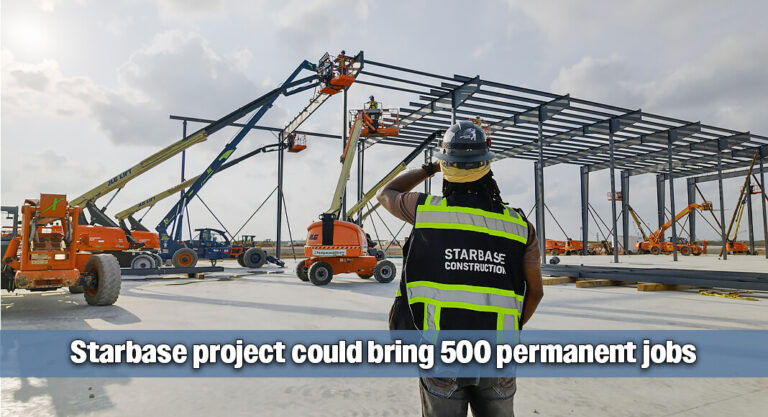
Construction activity associated with the project has already generated more than 3,000 jobs, according to SpaceX.
The company expects thousands more jobs as development continues.
Once operational, the supercomputing facility is projected to support more than 500 permanent positions.
SpaceX described the planned investment as potentially one of the largest private-sector projects in the Rio Grande Valley’s history.
The company said the project’s development would depend partly on maintaining a stable and competitive policy environment capable of supporting investments of this magnitude.
SpaceX presented the facility as part of its efforts to expand advanced computing capabilities while developing technologies for future space operations.
The proposed investment would establish a major artificial intelligence computing operation in South Texas, adding a new technology-focused development to the region’s existing aerospace industry.