
















By David Vergun, Pentagon News | US Department of War




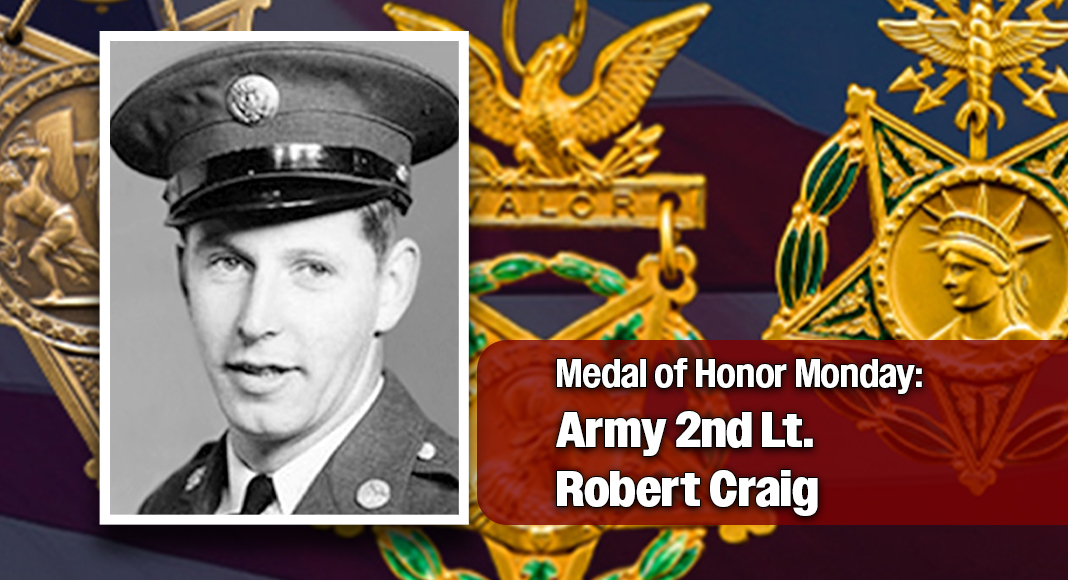
Army 2nd Lt. Robert Craig was an infantryman during World War II. He posthumously received the Medal of Honor for his heroic actions in Sicily during Operation Husky.
Craig was born in Scotland on June 7, 1919, to William Craig Sr. and Jane Montgomery Craig. He had an older brother, William, and a younger sister, Jane.
When he was 4 years old, Craig’s family left Scotland and eventually settled in Toledo, Ohio. Growing up, he played baseball, football and golf, and, according to a May 1944 press release from the War Department, “spent much of his time tinkering with cars and radios.”



After graduating from Libbey High School, Craig worked as a stock clerk at a grocery store in Toledo. He joined the Army in February 1941, and was commissioned Dec. 1, 1941, just six days before the attack on Pearl Harbor, Hawaii.
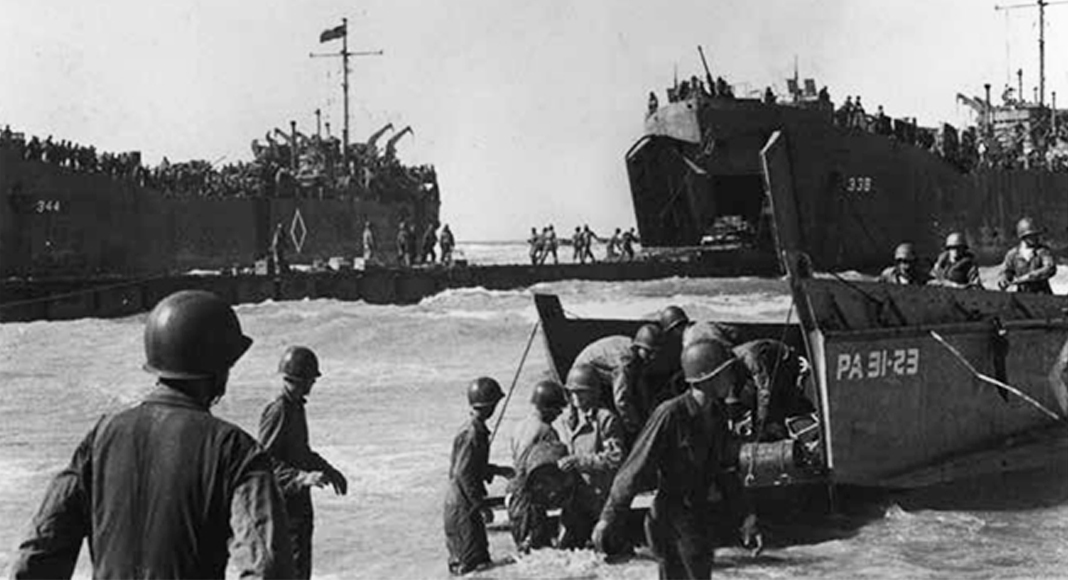
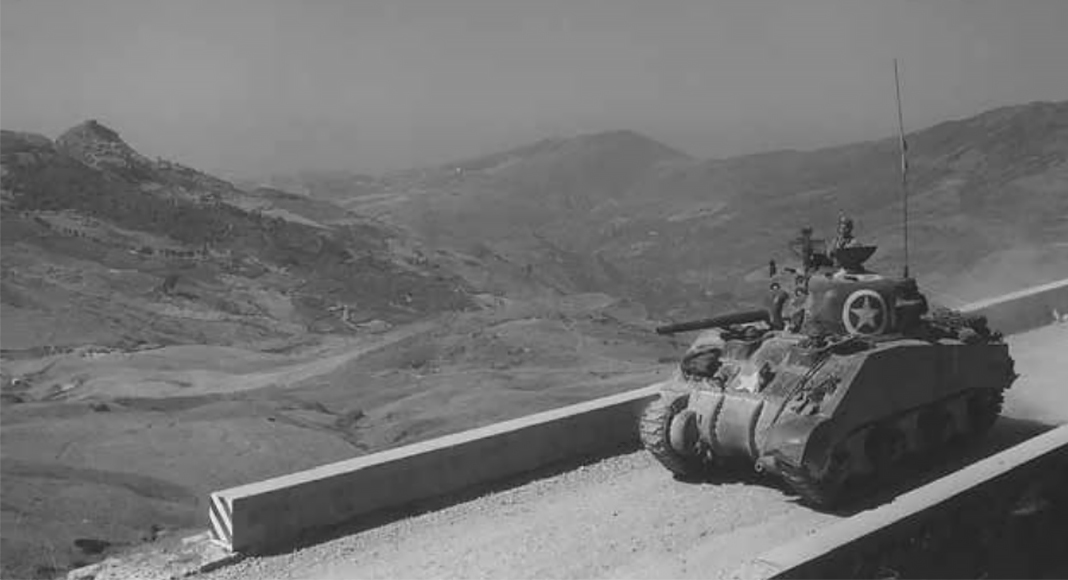
In January 1942, Craig deployed to Europe with L Company, 15th Infantry Regiment, 3rd Infantry Division and six months later, he was part of the July 1943 landings in Sicily, known as Operation Husky.
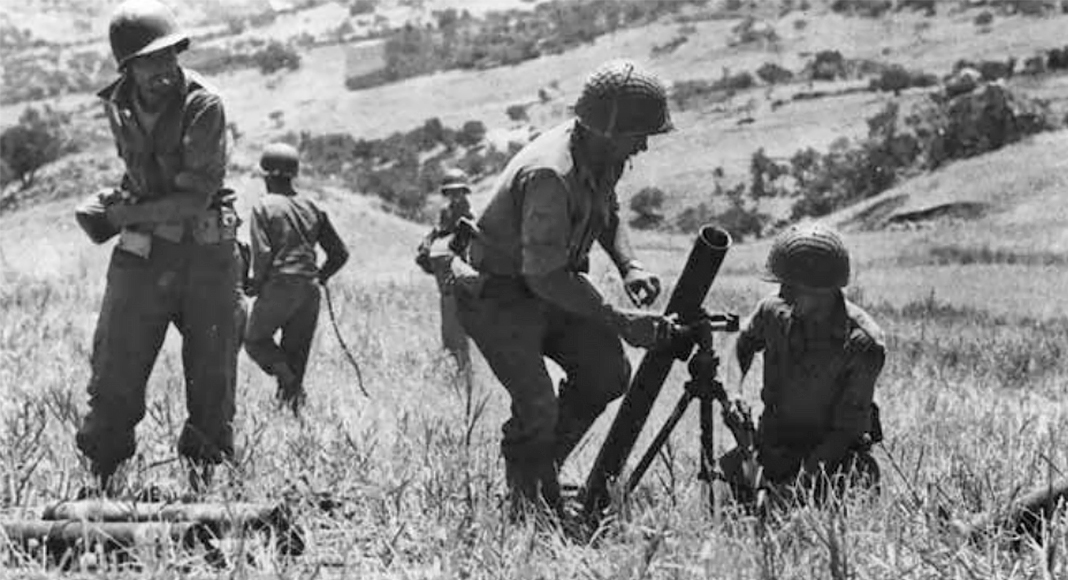
On July 11, 1943, the 15th Infantry was advancing near Favarotta, Sicily, when it was stopped by enemy machine-gun fire. Despite failed attempts by three other soldiers, Craig and Army Cpl. James E. Hill volunteered to leave their position to locate and destroy the hidden gunner.
Craig located the gun and came within 35 yards of the hostile position before being discovered.
Hill said Craig “ran head-on through the machine-gun fire … reached the gun position miraculously unhurt, and, standing over the crew, killed all three of them with his carbine,” according to the War Department press release.
Now that the hidden machine-gunner was gone, the company moved forward. However, as it moved down the forward slope of a ridge, Craig and his platoon encountered approximately 100 enemy soldiers. With utter disregard for his own safety, Craig elected to sacrifice himself so that his platoon could continue.
His Medal of Honor citation states, “He ordered his men to withdraw to the cover of the crest while he drew the enemy fire to himself. With no hope of survival, he charged toward the enemy until he was within 25 yards of them. He killed five and wounded three enemy soldiers. While the hostile force concentrated fire on him, his platoon reached the cover of the crest.
“Craig was killed by enemy fire, but his intrepid action so inspired his men that they drove the enemy from the area, inflicting heavy casualties on the hostile force.”
Army Maj. Gen. Alan W. Jones, 106th Infantry Division commander, presented the Medal of Honor to Craig’s father May 26, 1944, during a ceremony at Camp Atterbury, Indiana.
In July 1946, the cargo ship Bowling Green Victory, operated by the War Shipping Administration, was transferred to the Army Transportation Service and renamed the Lt. Robert Craig. In 1950, the ship was transferred from the Maritime Commission to the Navy and remained in service until 1973.
In 1957, Craig’s hometown dedicated the Robert Craig Memorial Bridge to him. According to the Toledo Gazette, more than 2,000 people attended the ceremony on a cold January day, including Craig’s parents and siblings.
Craig is buried in Toledo Memorial Park Cemetery in Sylvania, Ohio, near his parents.