













Texas Border Business



By Texas Border Business
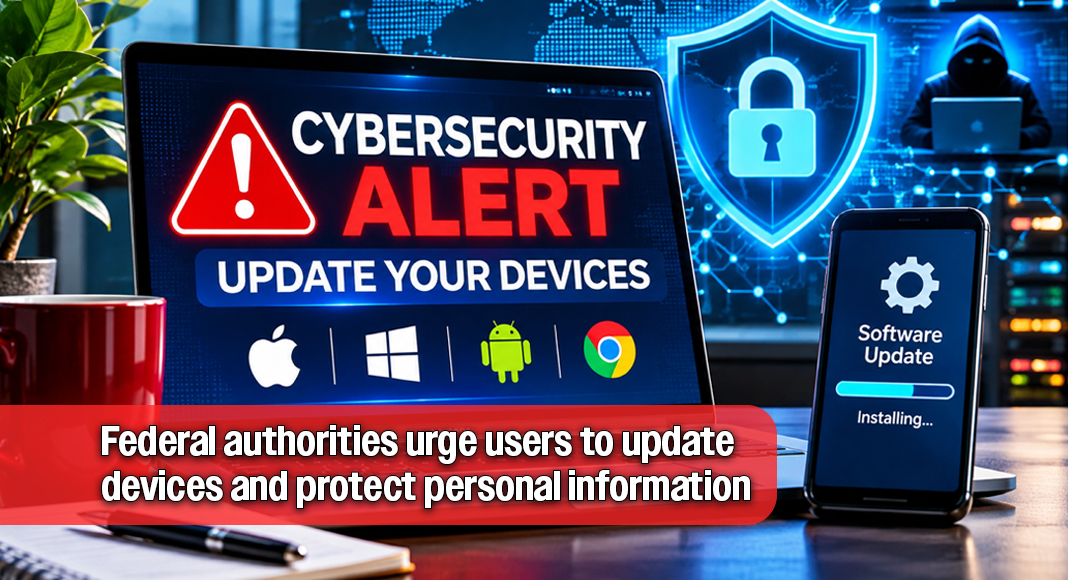
WASHINGTON, D.C. — Federal cybersecurity authorities are urging computer and smartphone users to keep their devices updated following reports of actively exploited security vulnerabilities affecting Apple products and Google’s Chrome browser.
The warnings come as technology companies release software updates to address weaknesses hackers could use to access sensitive information, compromise computers, or disrupt normal operations.


On November 4, 2026, the U.S. Cybersecurity and Infrastructure Security Agency (CISA) added an Apple vulnerability, identified as CVE-2024-27834, to its Known Exploited Vulnerabilities Catalog after receiving evidence that attackers were exploiting the weakness.
The vulnerability affects multiple Apple operating systems, including macOS, iOS and iPadOS. Although Apple addressed the flaw in 2024, devices that have not received the appropriate security updates may remain vulnerable. (SC Media)
On November 9, Apple released additional security updates addressing vulnerabilities affecting Mac computers, iPhones and other products.
A November 10 advisory from the Center for Internet Security identified several weaknesses that could allow unauthorized access to information or enable attackers to execute malicious computer code.
The organization reported no known active exploitation of those newly addressed vulnerabilities at the time of its advisory. (CIS)
Security concerns also extend beyond Apple products.
On November 10, cybersecurity researchers reported that Google had released Chrome browser updates addressing nine vulnerabilities, including one already being exploited by attackers.
The affected browser weakness, identified as CVE-2026-125350, could allow malicious activity when users encounter specially crafted web content. (The Hacker News)
Microsoft also released security updates on November 10 addressing vulnerabilities in Windows and other supported software, according to cybersecurity journalist Brian Krebs. (Krebs on Security)
For individuals and businesses, these developments reinforce the importance of installing security updates promptly.
Apple advises customers to keep their operating systems current because software updates help protect against known security weaknesses.
Mac users can check for available updates by opening System Settings, selecting General and choosing Software Update.
Windows users can check Windows Update through their computer’s Settings menu.
Smartphone owners should also install available operating system updates and keep their applications current.
Additional precautions include enabling multifactor authentication, using strong and unique passwords, avoiding suspicious email attachments and maintaining backups of important documents.
Users should download updates through official device settings or trusted software providers rather than unfamiliar links received through emails or text messages.
Businesses should pay particular attention to computers containing customer records, financial information and confidential documents.
CISA maintains a public catalog identifying vulnerabilities that attackers are known to exploit, allowing organizations to prioritize security improvements.
The warnings do not mean every computer or smartphone has been compromised. However, outdated software can increase exposure to known threats.
Federal cybersecurity guidance emphasizes that timely updates and basic security practices remain important defenses against cyberattacks.
Official security resources: https://www.cisa.gov/?utm
https://support.apple.com/en-us/100100?utm_