
















Texas Border Business



By Roberto Hugo González / Texas Border Business
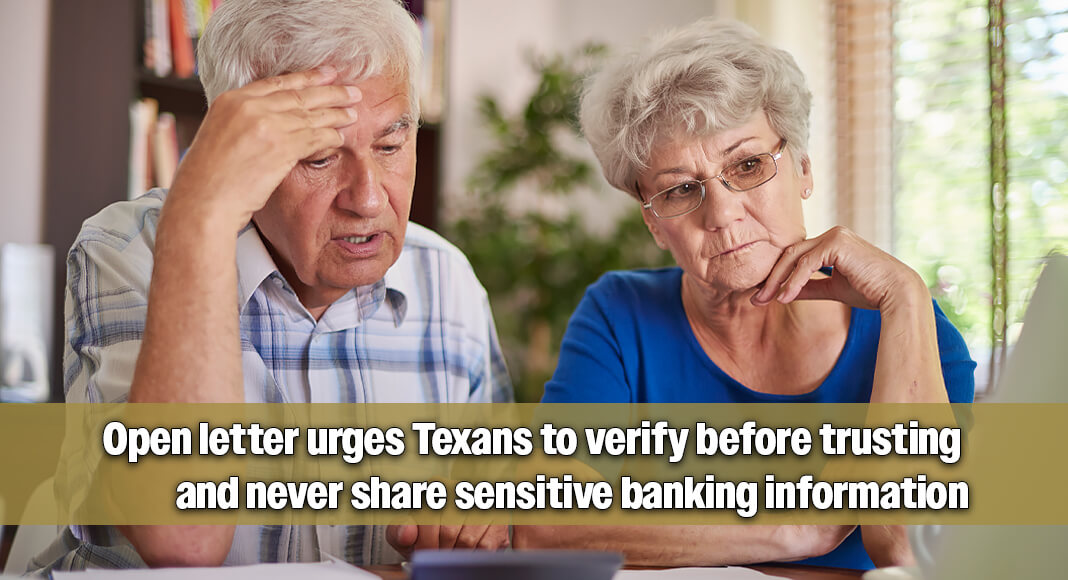
As financial fraud continues to affect consumers and businesses across the country, Texas Regional Bank Chairman and CEO Michael Scaief is urging Texans to make fraud prevention part of everyday life, arguing that protecting financial accounts is no longer solely the responsibility of banks but also of every household and workplace.
In an open letter released July 25, Scaief said criminals increasingly rely on research, deception, urgency, and fear to persuade victims to voluntarily provide access to their financial accounts. He warned that fraudsters often gather information from public records, business websites, social media, networking platforms, and data breaches before making contact, allowing them to appear credible and well informed.




“Fraud prevention is no longer just a banking responsibility. It has become a household responsibility and a business responsibility,” Scaief wrote.
According to the letter, the critical mistake in most fraud cases is granting criminals’ access. Scaief said attackers succeed by first building trust, then creating urgency that leads to stress and poor decisions and finally using fear to pressure victims into acting without verification. Even if criminals already know personal information, they still need victims to provide online banking passwords, one-time passcodes, security token codes, debit card information, or authorize the movement of money.
The letter describes several ways fraudsters can cause financial harm. Someone claiming to represent a bank may call, email, or text while already knowing a customer’s name or other personal information to appear legitimate and convince the victim to reveal sensitive account credentials. In another scenario, criminals target employees responsible for purchasing, payments, or company accounts, attempting to persuade them to approve unauthorized account access or transfer funds. Scaief said a convincing message directed to the right person can have catastrophic financial consequences.
He advised consumers to immediately stop any conversation in which someone claiming to represent a bank asks for passwords, one-time passcodes, debit card numbers, or approval to access an account. Instead, customers should independently contact their financial institution using a trusted telephone number, such as the one printed on the back of their debit card or listed on the bank’s official website.
For businesses, the letter recommends establishing clear verification procedures for payment requests and account changes while making fraud awareness a regular part of employee training. Scaief also encouraged families to discuss fraud prevention at home and review fraud protection resources together, so everyone understands how to recognize suspicious requests before responding.
Scaief said fraud tactics will continue to evolve as criminals adapt, making ongoing education and vigilance essential. While financial institutions continue investing in technology, monitoring systems, personnel, and fraud prevention processes, he said customer diligence remains one of the strongest defenses.
In closing, Scaief noted that he is one of the most frequently impersonated employees at Texas Regional Bank in phishing emails and text messages. He urged Texans to “Slow down, verify with a trusted person, make a call, and only accept confirmation from The People You Absolutely Know.”