













Texas Border Business



By Selene Rodriguez
McALLEN, Texas – From helping senior citizens recognize scams to equipping small businesses with tools to safeguard their information, South Texas College’s Cybersecurity Clinic is bringing free cybersecurity education and services beyond the classroom and into communities across the Rio Grande Valley.
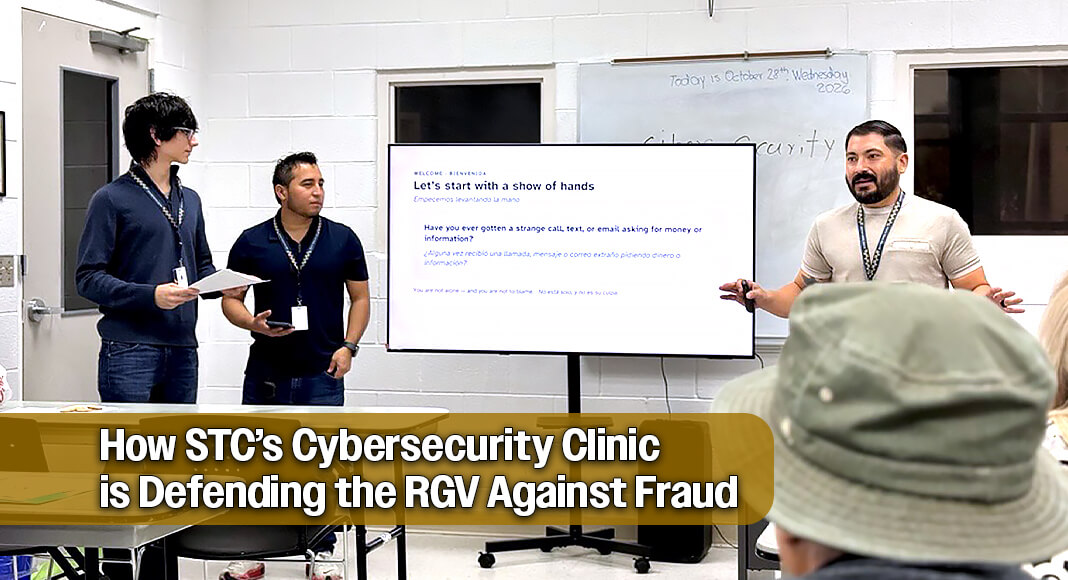
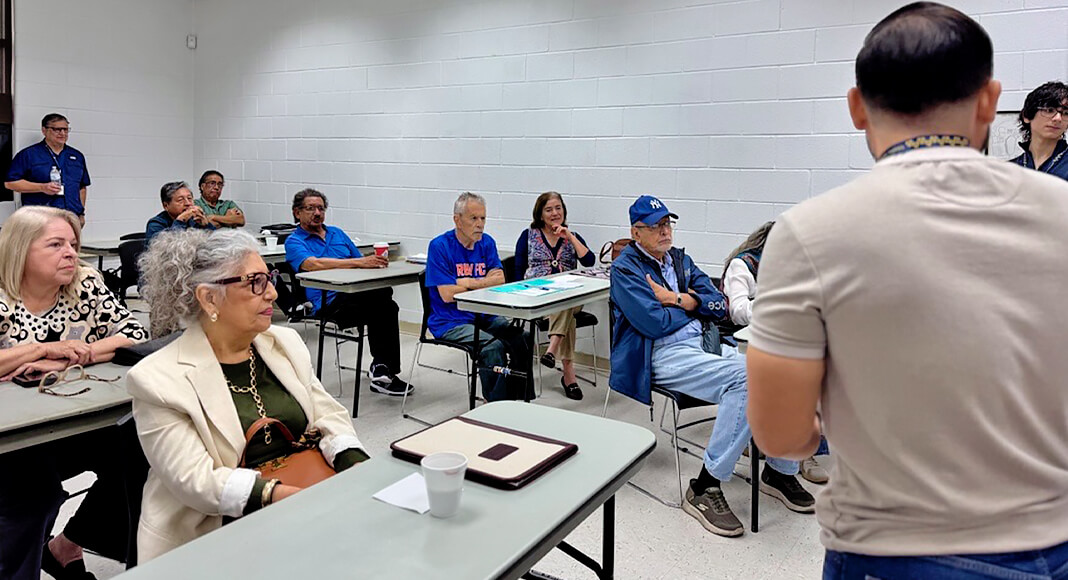
Most recently, STC students brought potentially life-changing knowledge to senior citizens at Palm View Community Center in McAllen, helping them recognize scams, avoid financial fraud and stay safe in an increasingly digital world.



“Our goal is to make resources accessible to our community, especially to those who may not have the knowledge or resources to protect themselves,” said Nicholas Hinojosa, STC assistant professor of Computer Science. “Through the clinic, we’re not only helping residents and businesses recognize potential threats, but we’re also giving our students the opportunity to make a real difference in people’s lives.”
Launched earlier this year with a $467,000 grant from the National Science Foundation (NSF), the first-of-its-kind clinic in the RGV is part of the International Consortium of Cybersecurity Clinics, a global network dedicated to strengthening cybersecurity, while preparing the next generation of professionals through hands-on experience.
The presentation was the latest in a series of outreach efforts that have taken STC students to community centers and adult day care facilities, as well as a high school hackathon, to raise awareness about cybersecurity threats.
“At one of our presentations, a woman shared how scammers claimed to have kidnapped her granddaughter and demanded ransom money. Thankfully, her granddaughter was safe, but the fear she experienced was real,” Hinojosa recalled. “Hearing these stories firsthand reminds us why our work matters. By sharing these experiences, we hope to prevent others from becoming victims.”
At the recent presentation, senior citizens also had the opportunity to ask questions, share their own experiences and learn practical ways to identify suspicious calls, messages and online activity.
“The information was incredibly valuable,” said community member Elvia Armendariz. “We learned how to protect our money, recognize suspicious phone calls and emails and identify scams before falling victim to them. What I took away is that we don’t have to live in fear of these threats. With the right knowledge, we can recognize the warning signs and feel confident taking steps to protect ourselves.”
For STC student Nestor Can, who is pursuing a bachelor’s degree in Computer Information Technologies, the clinic has provided valuable hands-on experience while giving him the opportunity to use his bilingual skills to bring cybersecurity education to Spanish-speaking residents.
“Joining the clinic has given me valuable experience in my field, but knowing I can help people in my community makes it even more meaningful,” Can said. “Many older adults are vulnerable to scams, and being able to explain these threats in a language they understand means they can recognize the warning signs, protect themselves and share that knowledge with their families.”
Beyond community education, the clinic also provides free cybersecurity risk assessments to small businesses and local organizations, helping them identify potential vulnerabilities and strengthen their defenses against cyberattacks.
Working under faculty supervision, students meet with clients to evaluate their existing practices and develop recommendations to address potential weaknesses, from outdated software and phishing threats to insufficient employee training.
“We’ve already seen organizations make improvements to their cybersecurity practices based on our recommendations, and some have even requested additional training for their employees,” Hinojosa said. “A cyberattack can do more than cause financial losses or disrupt operations. It can damage a business’s reputation and the trust of its customers, which can be very difficult to rebuild.”
Now working with its second cohort of students, the clinic hopes to reach even more residents, businesses and organizations across the region through its free services and educational outreach.
“We want our students to see that what they’re learning goes beyond the classroom. They’re working with real people, addressing real challenges and making a difference in their own communities,” Hinojosa said. “They’re not just preparing for their future careers; they’re already putting their skills to work where they’re needed most.”For more information about STC’s Cybersecurity Clinic or to request free services, visit southtexascollege.edu/academics/cybersecurity