
















Texas Border Business



By Roberto Hugo González / Texas Border Business
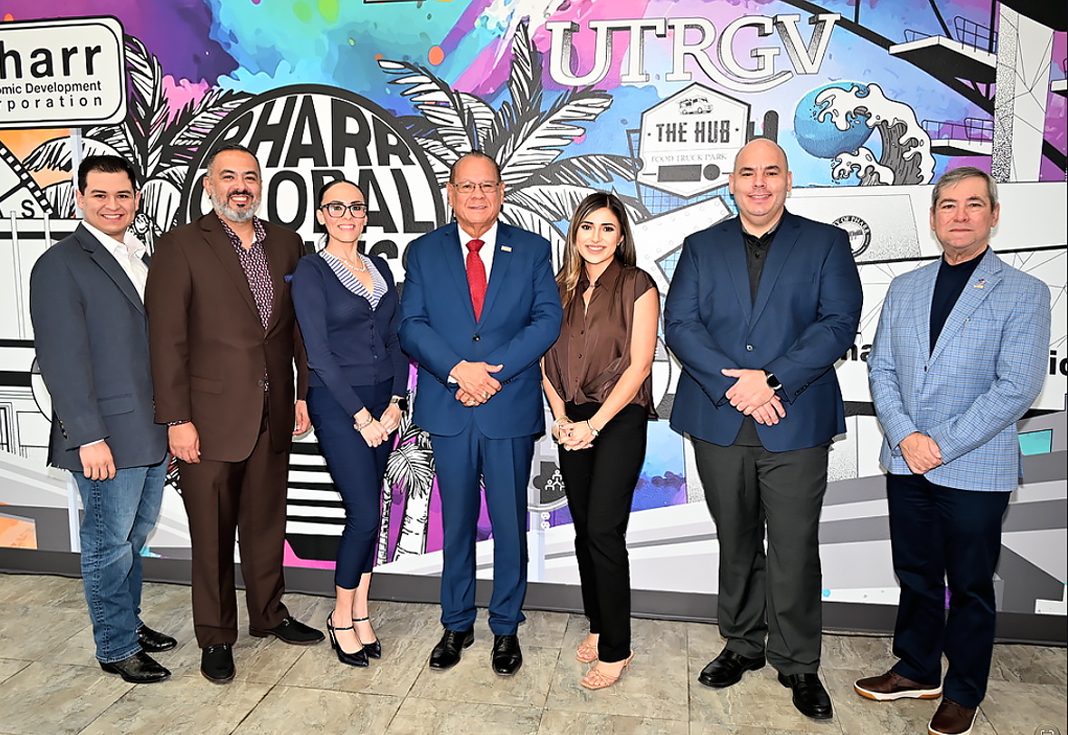
PHARR, Texas — The Pharr Economic Development Corporation (EDC), led by President and CEO Victor Perez, hosted a Manufacturing Day Roundtable on October 22, 2026, at the Pharr Global Business Hub. Held under the leadership of Mayor Ambrosio Hernandez and the Pharr City Council, the event brought together government officials, manufacturing executives, workforce specialists, and educators to discuss industrial growth, emerging technologies, nearshoring, and workforce development in the Rio Grande Valley.
Perez emphasized the importance of partnerships in attracting manufacturers and preparing the region for economic growth.



“You are our partners, you are our key partners,” Perez told participants. He credited Mayor Hernandez’s leadership and said attracting investment requires cooperation among government agencies, educational institutions, and private employers.
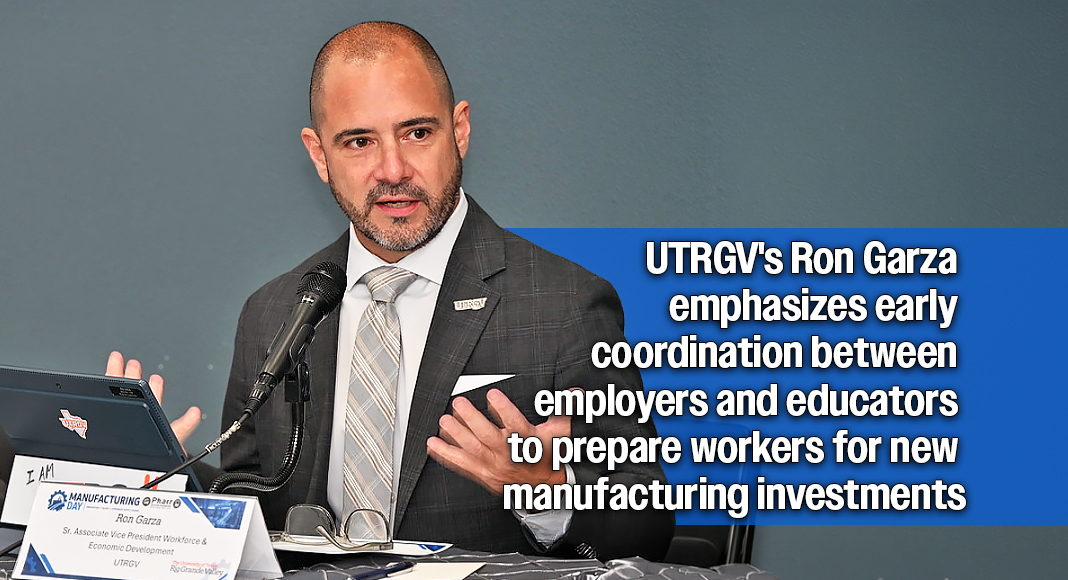
Ron Garza, senior associate vice president for Workforce and Economic Development at the University of Texas Rio Grande Valley (UTRGV), said preparing workers for incoming manufacturers requires communication between employers and educators before companies establish operations.
Garza explained that workforce availability is among the first considerations for companies evaluating potential investment locations. Universities and economic development organizations must provide information about available workers, educational qualifications, and specialized technical skills.
According to Garza, approximately 85,000 students attend higher education institutions across the Rio Grande Valley, including more than 36,000 at UTRGV. The university’s College of Engineering enrolls more than 4,000 students and produces approximately 1,000 undergraduate engineering graduates annually.
However, Garza said enrollment figures alone cannot establish whether a region can meet manufacturers’ employment requirements.
He explained that employers must communicate anticipated hiring levels, job descriptions, technical qualifications, and recruitment schedules. This information allows educational institutions to evaluate existing programs and make necessary adjustments.
Garza noted that manufacturers typically have approximately 18 to 24 months between selecting a location and beginning substantial hiring. That period provides opportunities to develop training programs aligned with specific industry requirements.
He also emphasized the importance of employer participation in university advisory committees, which help academic departments respond to changing workforce demands.
Internships were another major focus of Garza’s remarks. He distinguished between introductory internships that help students explore career opportunities and advanced placements connecting students approaching graduation with prospective employers.
UTRGV engineering students also participate in senior design projects involving industry partners. Garza explained that these assignments provide practical experience while allowing employers to assess students’ technical abilities and potential employment qualifications.
Garza acknowledged that companies outside the Rio Grande Valley recruit graduates from regional institutions. He encouraged local manufacturers to establish relationships with students before graduation to strengthen recruitment opportunities.
His remarks emphasized that preparing the Valley’s workforce requires early employer involvement, technical education aligned with industry needs, and hands-on experience that connects students with manufacturing careers.
See related stories: