
















Texas Border Business



By Roberto Hugo González / Texas Border Business
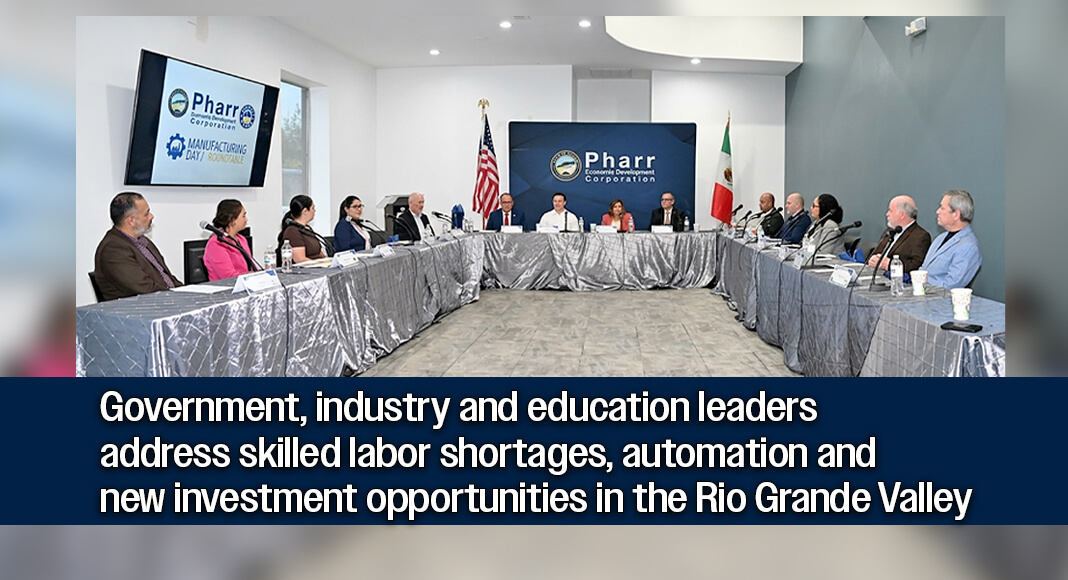
PHARR, Texas — Growing demand for skilled workers, increasing automation, and competition for manufacturing investment are challenging the Rio Grande Valley’s industrial expansion, according to government, business, and education leaders who gathered in Pharr to discuss how the region can prepare for new industries and emerging technologies.
The Pharr Economic Development Corporation hosted the Manufacturing Day Roundtable on October 22, 2026, at the Pharr Global Business Hub. Organized by Pharr EDC President and CEO Victor Perez, under the leadership of Mayor Ambrosio Hernandez and the Pharr City Council, the event examined workforce development, industrial infrastructure, nearshoring, and opportunities for economic growth.




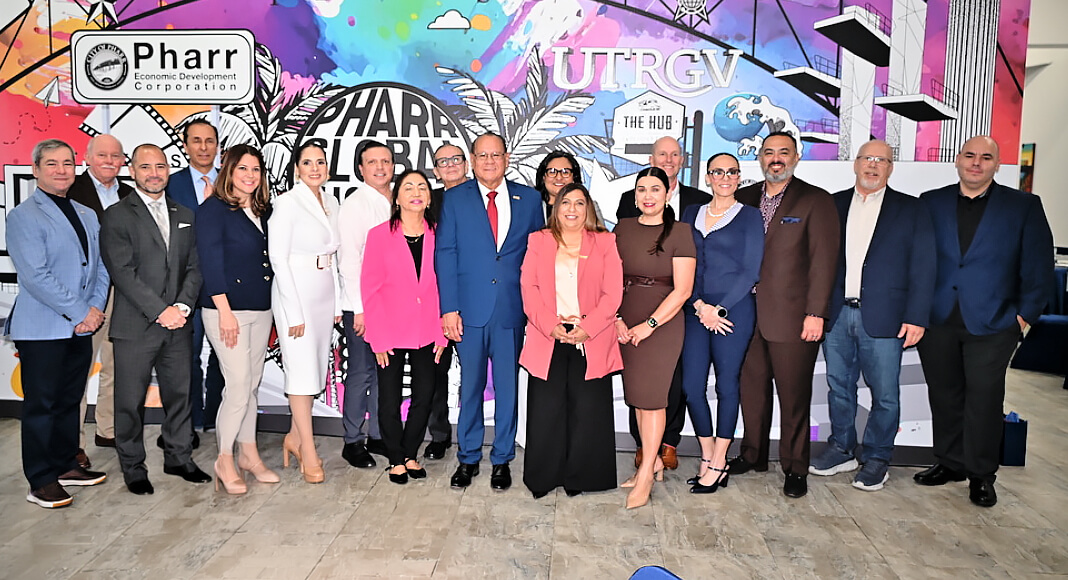
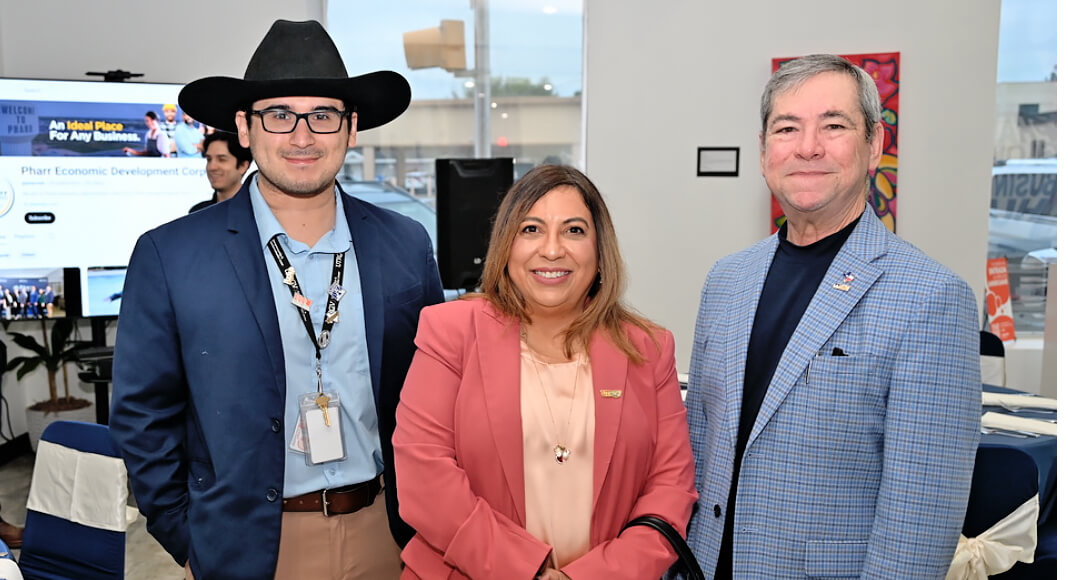
Check out the gallery below to see more images of the roundtable event. Al photos: Texas Border Business



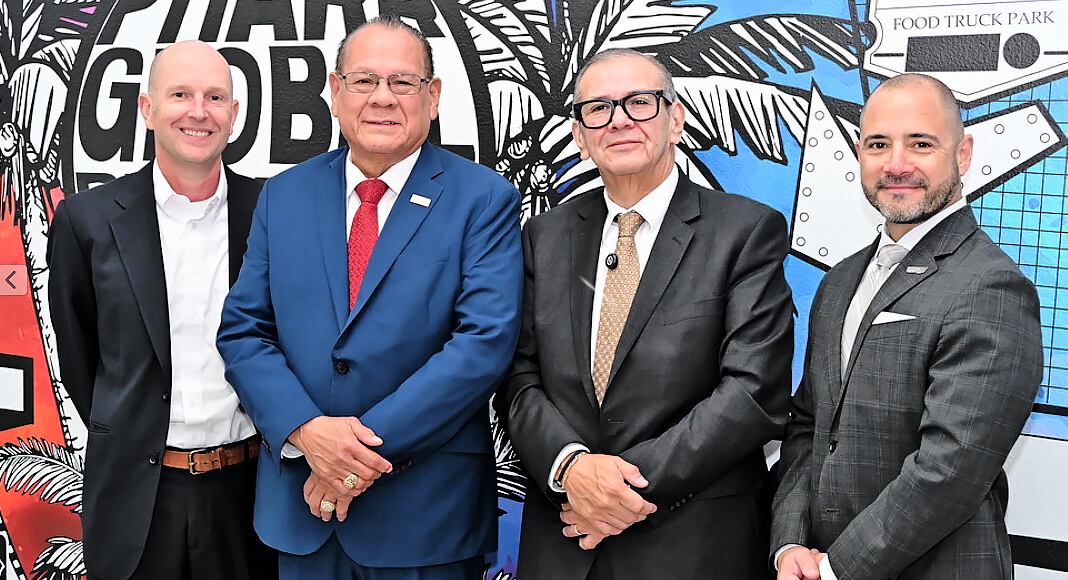
“You are our partners, you are our key partners,” Perez told participants. He said prospective manufacturers consider available land, utilities, qualified employees, and business incentives when evaluating investment locations. He also described the city’s efforts to assist companies through permitting and development.
Linda Ufland, director of UTRGV’s Entrepreneurship and Commercialization Center, moderated the discussion. Participants included Texas State Representative Sergio Muñoz Jr., Mexican Consul Jesús Cano, state economic development representative Scott Buchholtz, manufacturing executives and educational leaders.
Ron Garza, UTRGV’s senior associate vice president for Workforce and Economic Development, said prospective employers frequently ask about the availability of qualified workers. He reported approximately 85,000 higher education students across the Valley, including more than 36,000 at UTRGV. Garza stressed the importance of identifying employers’ technical requirements before hiring begins.
South Texas College representatives Arthur Barber and José Vela described technical education, industry certifications, and dual enrollment programs designed to prepare students for manufacturing careers.
PSJA ISD representatives Dr. Linda Uribe and Belinda Vargas discussed early college pathways, workplace exposure and efforts to introduce students to manufacturing careers before graduation.
Emerson Tool Company representatives Kent Hanson and Rocio Mahe addressed automation, recruitment and transportation challenges. Mahe identified shortages of technicians with combined electrical, robotics and automation skills, along with concerns about workplace communication and teamwork.
Mike Willis, director of the South Texas Manufacturing Association, estimated that manufacturing accounts for about 4% of regional employment. He discussed competition for skilled employees, wage pressures, and opportunities associated with manufacturing operations in Mexico.
Hector Ramírez of the Texas Manufacturing Assistance Center described technical assistance and operational improvement programs. Brenda Martínez of Workforce Solutions outlined employee training and recruitment resources available to manufacturers.
Muñoz discussed state support for technical education and infrastructure needs, including transportation and water. Buchholtz encouraged regional economic development organizations to present the Valley’s manufacturing capabilities collectively when pursuing investment.
Cano described the Mexican Consulate’s role in facilitating institutional exchanges and business connections across the border, emphasizing the importance of preparing workers for industries operating in both countries.
Garza also announced a $5 million award through a UTRGV partnership with the U.S. Small Business Administration to help small manufacturers expand their capabilities and participate in local supply chains. He said training was expected to begin in January 2027.