














Texas Border Business




By Air Force Senior Master Sgt. Andrew Sinclair, 101st Air Refueling Wing | US DOW
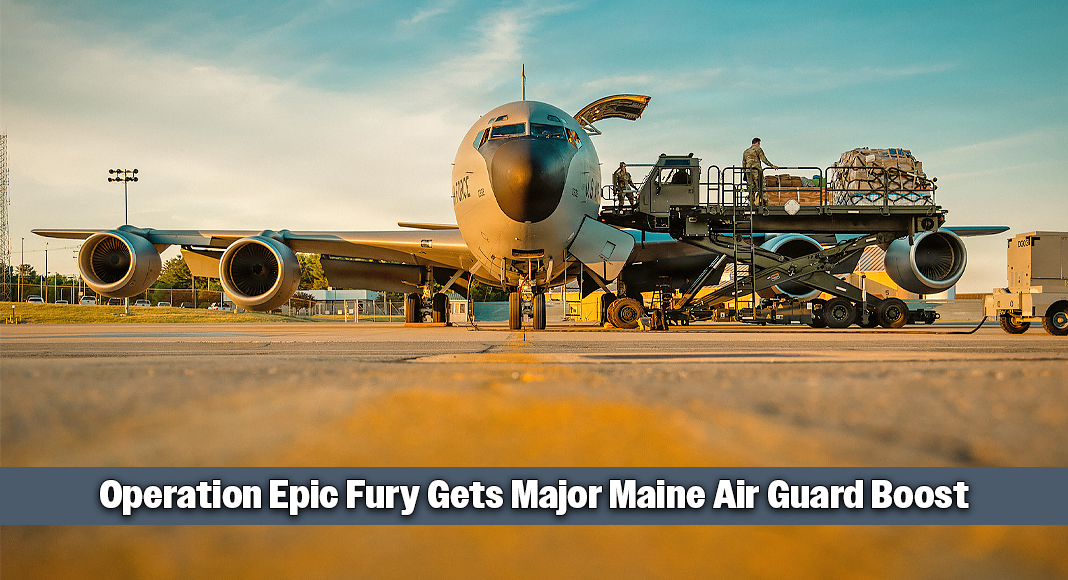
Air Transportation Function airmen assigned to the Maine Air National Guard’s 101st Air Refueling Wing helped move more than 747,000 pounds of cargo and 312 passengers since the start of Operation Epic Fury.
The effort helps keep vital supplies flowing to the U.S. Central Command area of operations.



Since the operation began, the wing’s distribution team has handled 302 pieces of cargo, including loose items, shipping containers, baggage pallets, hazardous explosives, weapons systems awaiting parts and miscellaneous aircraft parts. The team supported 97 missions made up of 15 C-17 Globemaster III aircraft, four KC-46 Pegasus aircraft, 76 KC-135 Stratotankers, two C-130J Super Hercules aircraft and one C-5 Galaxy, while also managing 67,472 pounds of passenger weight.
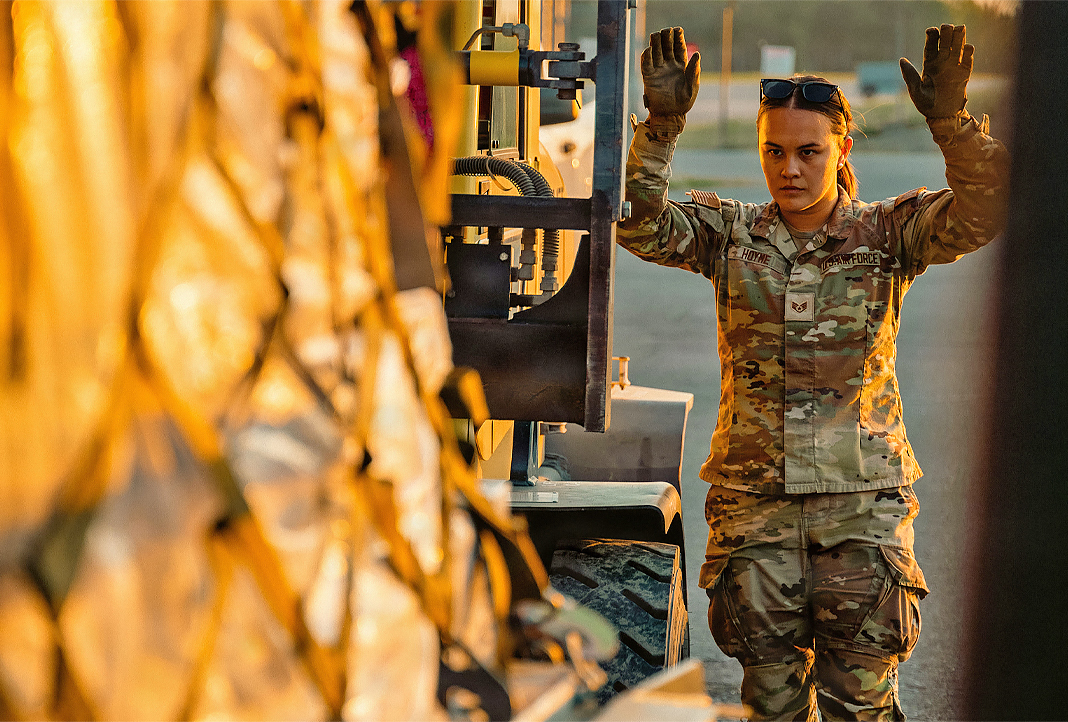
The team received 70 inbound nonmilitary shipments from vendors, Air Mobility Command and other organizations headed for the Centcom area of responsibility. Outbound, they packed, marked, labeled and processed 394 shipments under the military standard requisitioning and issue procedure — weighing about 5,000 pounds.
To keep up with the faster pace, distribution members from five different units, plus one civil engineering airman, joined the wing. These augmentees brought valuable experience in cargo and passenger operations. Among them was Air Force Staff Sgt. Eric LeFave, an air terminal operations center information controller assigned to Pease Air National Guard Base in New Hampshire.
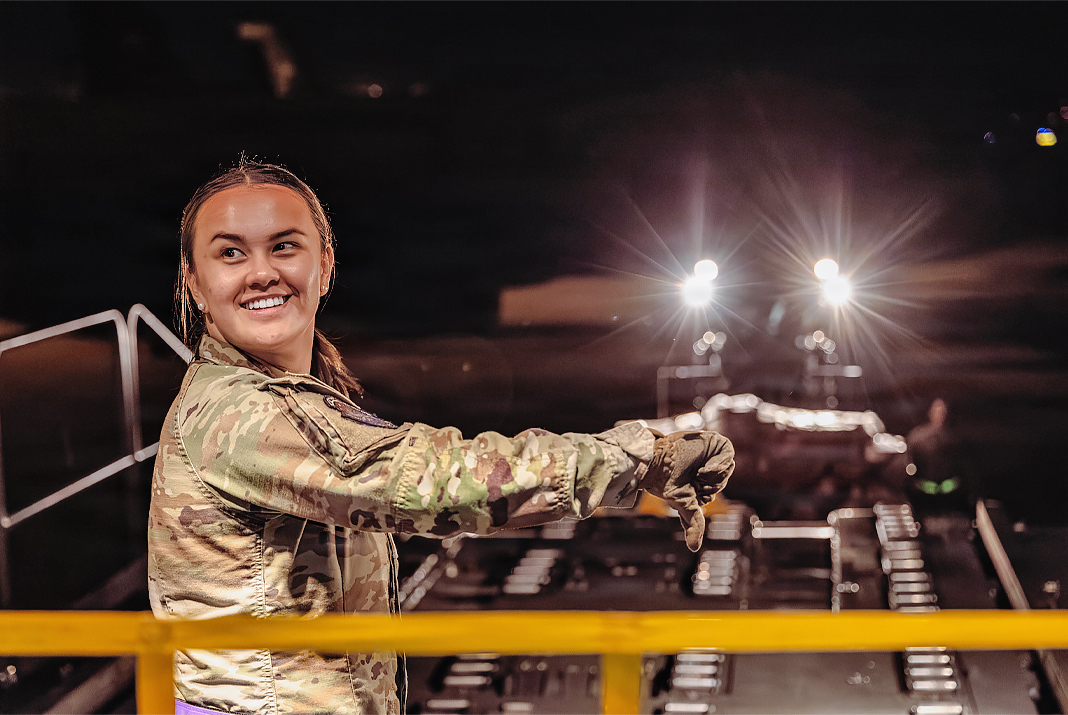
“So far, my job here has been assisting in the forward movement of mostly critical cargo and [mission impaired capability awaiting parts] to support my fellow wingmen and broken aircraft downrange,” LeFave said.
The work has special meaning for LeFave, who returned from overseas in October.
“I know who’s currently out in the Middle East and helped get them spun up before I left,” he said. “Being able to come up here to Maine and help get them anything they need is important to me. This is the job, and this is what I signed up for. I give this career my best because that’s what the Air Force needs at all times.”
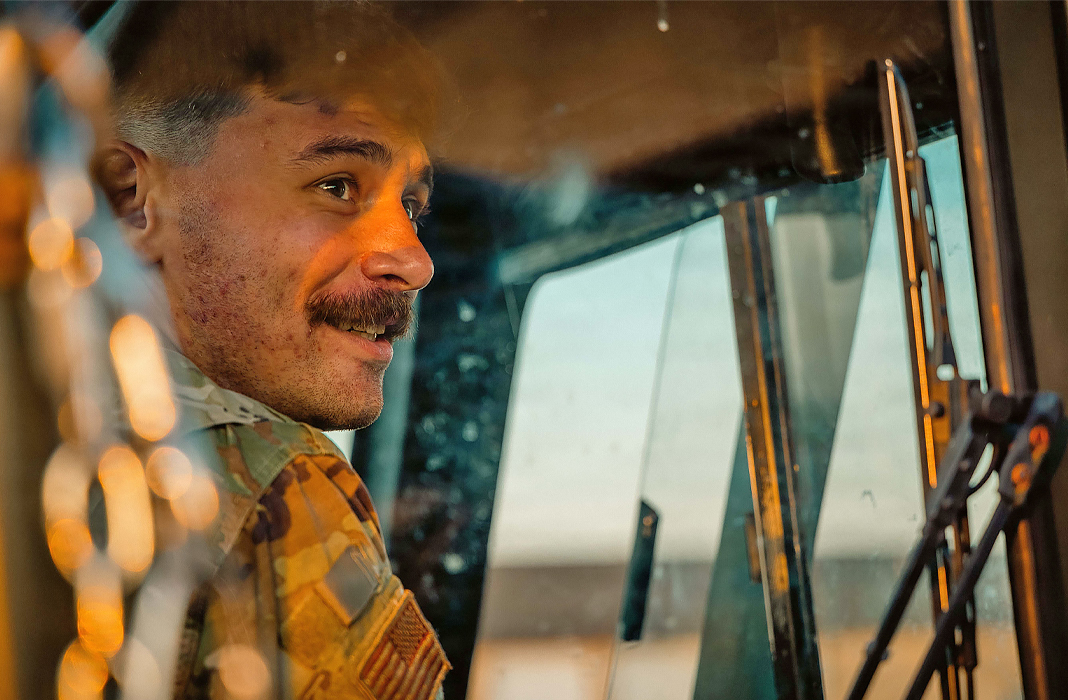
Air Force Chief Master Sgt. Grady Thurlow borrowed three additional pieces of material handling equipment from partner units to keep cargo moving smoothly. Ground transportation crew members also borrowed an extra bus from a geographically separated unit in South Portland.
“The true measure of this team was tested during the heightened operational tempo,” said Air Force Capt. Alyssa Nelson, a distribution officer assigned to the wing. “The willingness of other units to integrate into our operations reflects the highest standard of teamwork. The collaborative effort not only builds professional relationships but is vital to mission success.”