












Texas Border Business



By Roberto Hugo González / Texas Border Business
MCALLEN, Texas — U.S. importers and customs brokers face responsibility to verify country of origin, tariff treatment and supply-chain documentation as authorities intensify efforts against illegal transshipment, according to Jorge Torres, president and founder of Interlink Trade Services.
Responding Aug. 19 to questions based on the White House report “The Great Transshipment Scam — Rise, Scope, and Costs,” Torres said the distinction between legitimate trade and tariff evasion is whether imported goods undergo a substantial transformation before entering the United States.
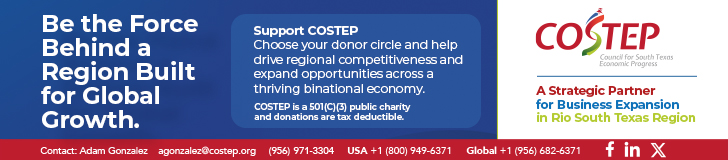




Torres said legitimate transshipment occurs when foreign products undergo manufacturing or assembly that creates “a new and different article of commerce,” adding value in the importing country. By contrast, relabeling, repackaging, storage or cleaning generally would not establish a new country of origin.
In Mexico, Torres said companies must do more than assemble products imported as kits to establish substantial transformation. Operations such as molding, metal stamping, and complex assembly can be important when determining whether imported components have become a different article of commerce.
Torres warned about Chinese-origin goods entering Mexico or Canada before being exported to the United States with claims of Mexican or Canadian origin and USMCA eligibility.
“Unfortunately, this is happening,” Torres said, describing cases in which goods are repackaged or relabeled before exporters issue USMCA certifications seeking duty exemptions, including from Section 301 tariffs.
For legitimate Mexican manufacturers and U.S. importers, Torres said the key is to conduct and document a substantial-transformation analysis and a separate USMCA qualification review. If products do not meet those requirements, he said importers should declare the correct origin and pay applicable duties and tariffs.
Torres said financial and legal responsibility rests heavily on the U.S. importer of record. Importers are responsible for the valuation, tariff classification, country of origin and quantities reported to U.S. Customs and Border Protection.
Failure to comply can result in unpaid duties, penalties and potentially criminal consequences, he said. Torres pointed to Executive Order 14411, issued June 3, as increasing scrutiny of importers and customs brokers.
The enforcement environment also places additional pressure on brokers to examine invoices, certificates of origin, bills of lading and unusual routing patterns.
“CBP is looking at customs brokers as a key ‘partner’ in ensuring compliance by importers,” Torres said, adding that the increased due-diligence expectations create concerns because brokers have limited resources while facing greater legal and financial risks.
Torres said CBP’s expanding use of artificial intelligence is changing enforcement. He said AI can help authorities identify supply-chain shifts and suspicious imports for inspections, audits and post-entry actions, including requests for information and notices of action.
For companies operating along the Texas-Mexico border, Torres recommended increased due diligence, including country-of-origin analysis, USMCA qualification reviews, valuation testing, and tariff-classification reviews.
“Properly documenting this due diligence” is essential, Torres said, to maintaining compliance and reducing exposure to CBP penalties.
Torres is a U.S.-licensed customs broker with more than 30 years of experience in international trade, customs brokerage, logistics and trade compliance. He founded Interlink Trade Services in 2005 and advises manufacturers, importers, and exporters on U.S.-Mexico commerce, tariffs, USMCA, nearshoring, supply chains, and customs regulations.