














Texas Border Business




By Roberto Hugo González / Texas Border Business
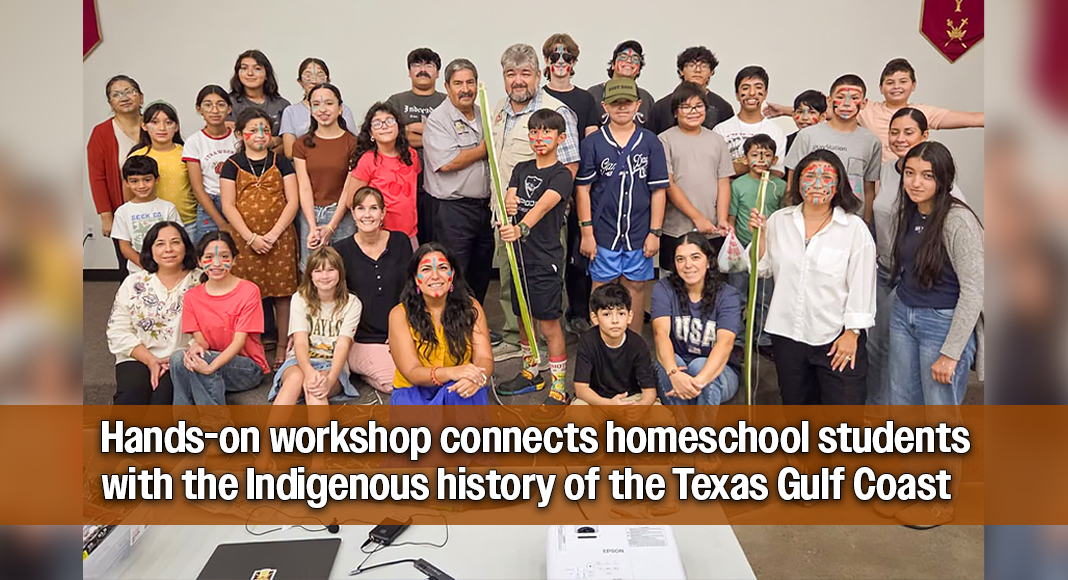
ALAMO, Texas — Homeschool students received a hands-on lesson in Texas Indigenous history Sept. 22 as Maria del Pilar Garza Museum Director Alejandro Oyoque shared his knowledge of the Karankawa people and guided students in building a bow.
The educational activity combined historical discussion with a practical demonstration intended to give students a closer connection to the people who inhabited parts of Texas long before the development of modern communities across the state.



Check out the gallery below for more images from Pilar Garza Museum: Courtesy photos
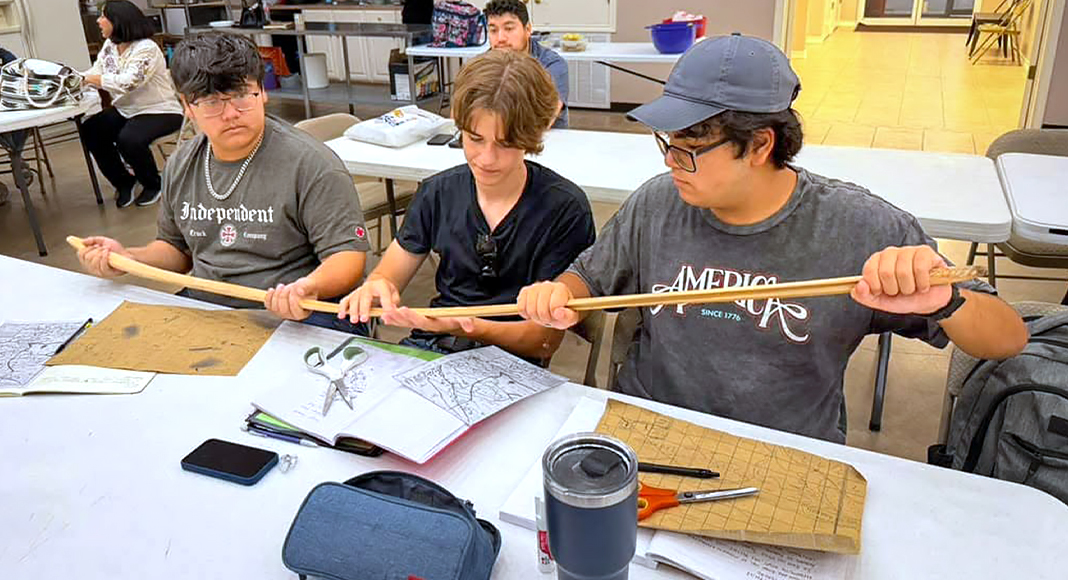
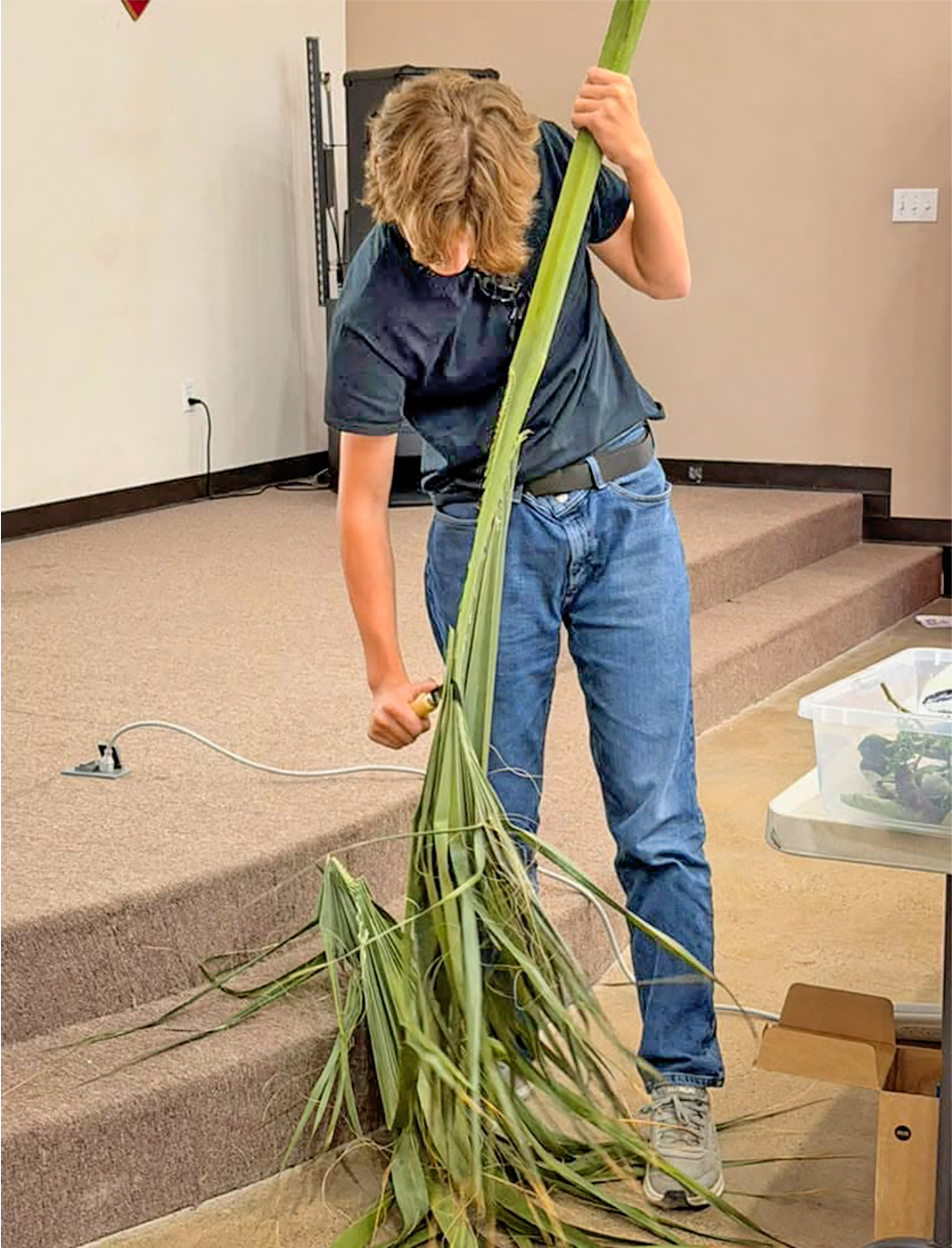
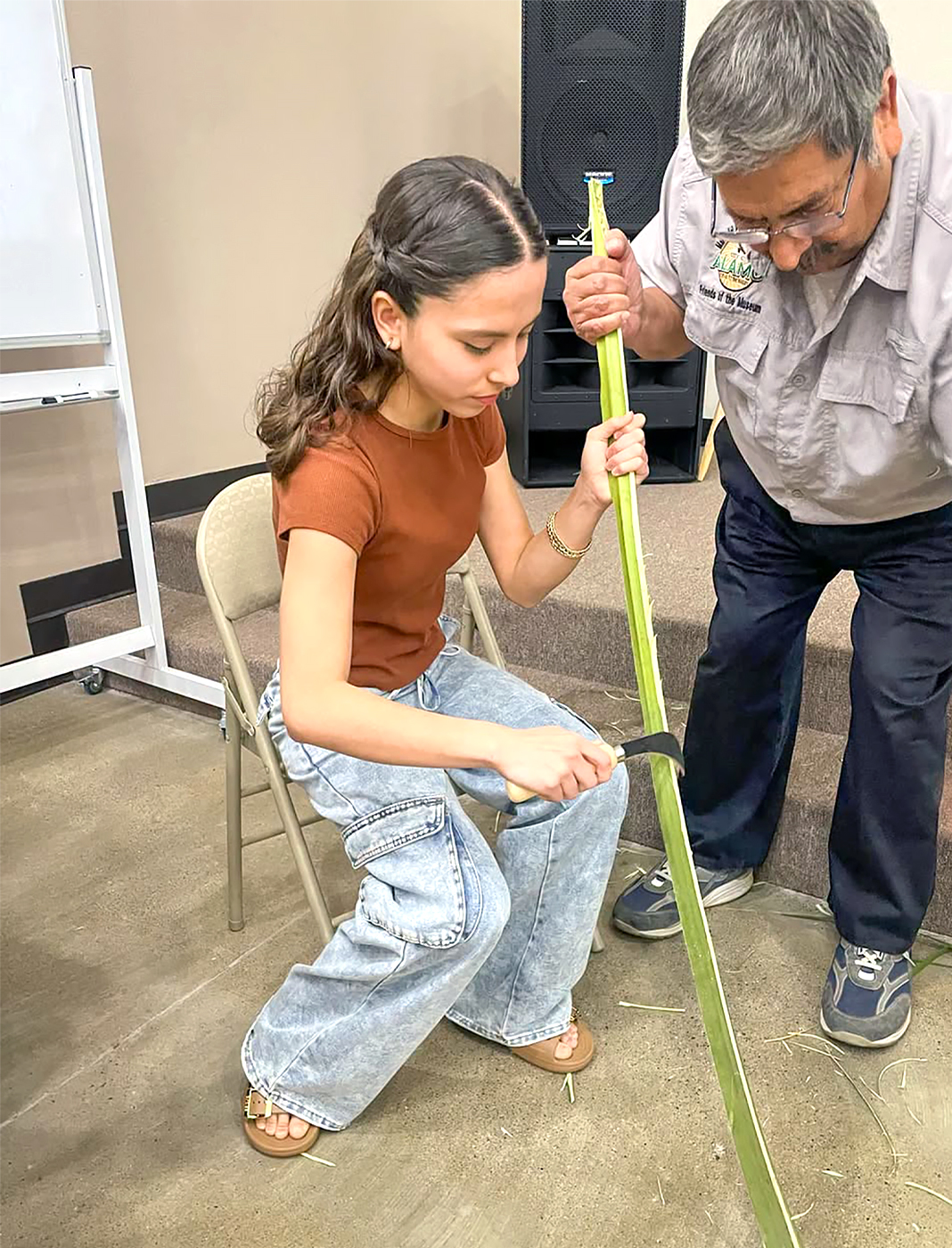
Oyoque, who has spent years studying history, introduced students to the Karankawa and incorporated the bow-building activity into the presentation. Rather than limiting the program to a classroom-style lecture, students participated in creating the bow as they learned about the Indigenous people and their way of life.
Historical accounts identify the Karankawa as Indigenous people whose traditional homelands extended along the Texas Gulf Coast from Galveston Bay southwest to Corpus Christi Bay. According to the Handbook of Texas, published by the Texas State Historical Association, the term Karankawa came to identify several related coastal groups that shared a language and cultural traditions.
The Karankawa moved seasonally between coastal islands and the mainland, with their movements influenced largely by available food. Hunting, fishing, and gathering supported their communities, with deer, bison, fish, and other natural resources contributing to their diet.
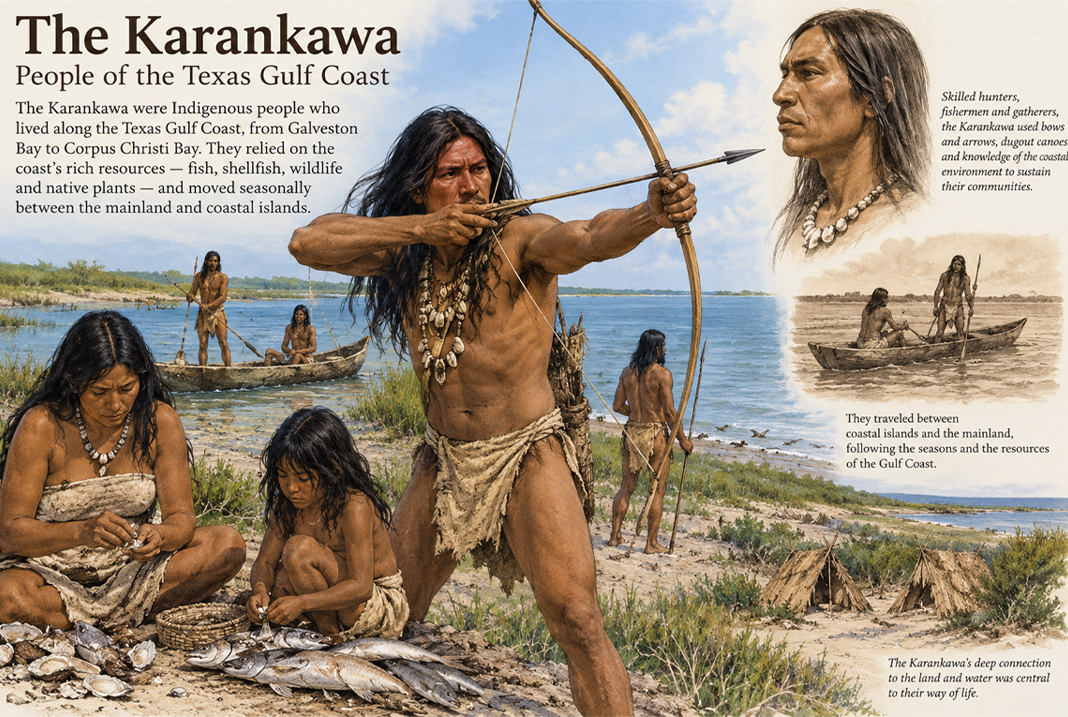
Bows and arrows were important tools for the Karankawa. Historical research cited by the Handbook of Texas describes the long bow as a principal weapon used for hunting and warfare. The Karankawa also used dugout canoes to travel through the shallow coastal waters between islands and the mainland.
Their documented encounters with Europeans extend back nearly five centuries. One of the earliest written accounts dates to 1528, when survivors of the Spanish expedition led by Pánfilo de Narváez reached the Texas coast. Álvar Núñez Cabeza de Vaca, one of the survivors, later recorded information about Indigenous coastal communities he encountered while living in the region.
The Maria del Pilar Garza Museum maintains Karankawa research materials as part of its research collection and lists “Karankawa Resurgence” among its permanent exhibits, according to the City of Alamo.
The museum also preserves materials documenting Alamo and regional history, including historical photographs, objects, newspaper collections, and research materials. Its permanent exhibits include displays on Alamo pioneers, the city’s fire department and the 1940 train accident.
The Sept. 22 workshop gave students the chance to experience that history through direct participation while learning about one of the Indigenous cultures connected to Texas history.
The Maria del Pilar Garza Museum is located at 840 W. Austin Ave. in Alamo.