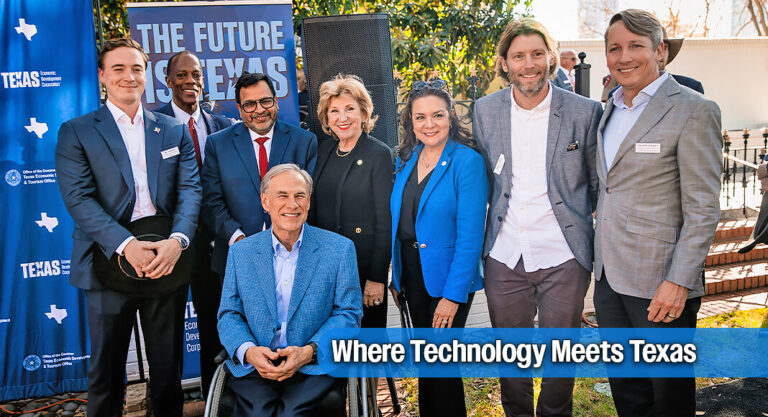
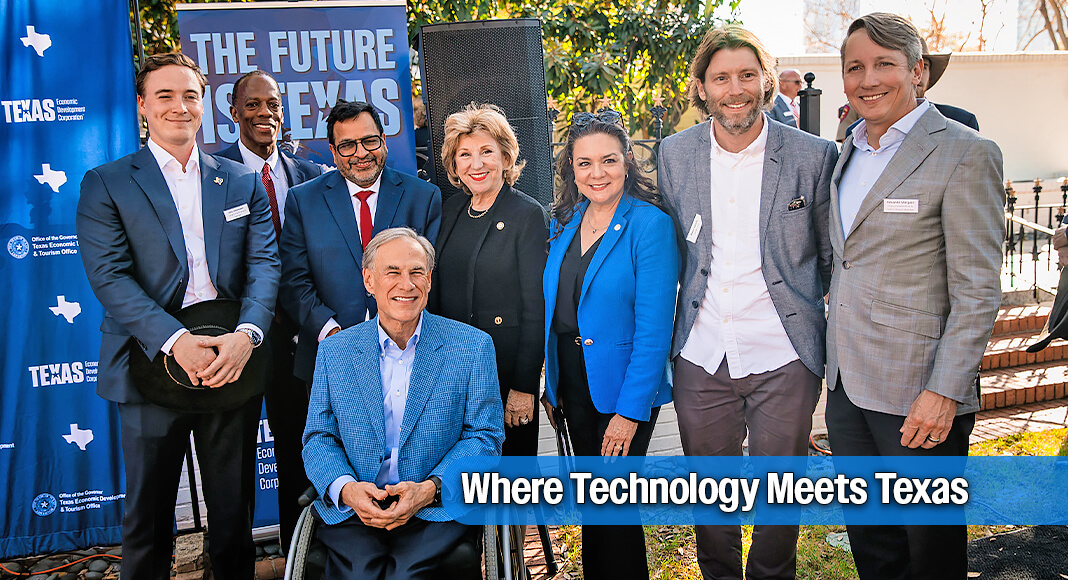
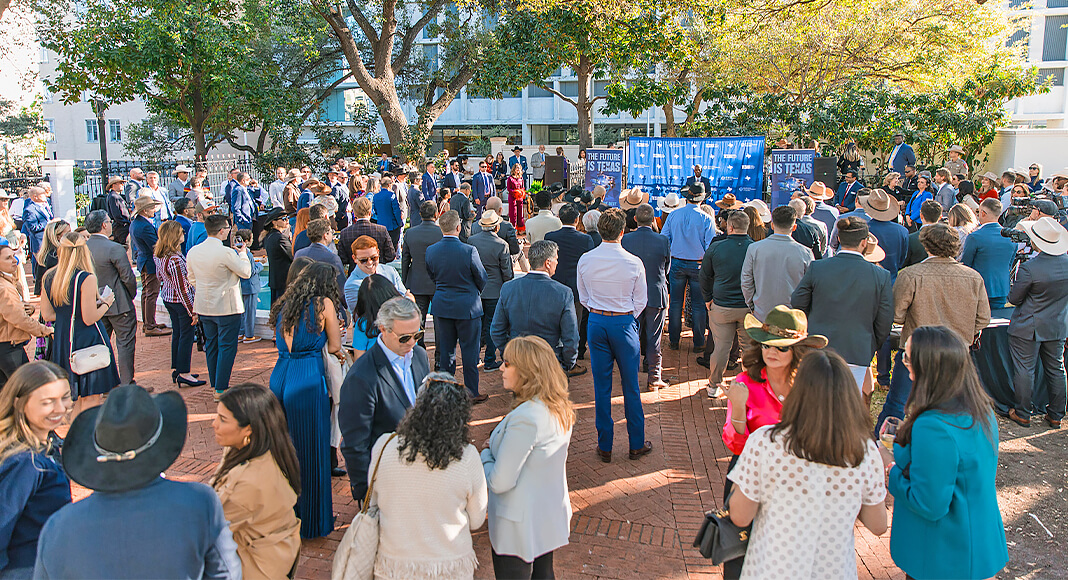
Governor Greg Abbott delivered remarks touting Texas’ economic dominance and leadership in emerging technology and innovation at a South by Southwest (SXSW) reception at the Governor’s Mansion. Photo: Office of the Governor
Texas Border Business
AUSTIN — Governor Greg Abbott delivered remarks touting Texas’ economic dominance and leadership in emerging technology and innovation at a South by Southwest (SXSW) reception at the Governor’s Mansion. For 40 years, SXSW has drawn cutting-edge innovators, tech leaders, and global creators worldwide to Austin, Texas.
Photo: Office of The Governor
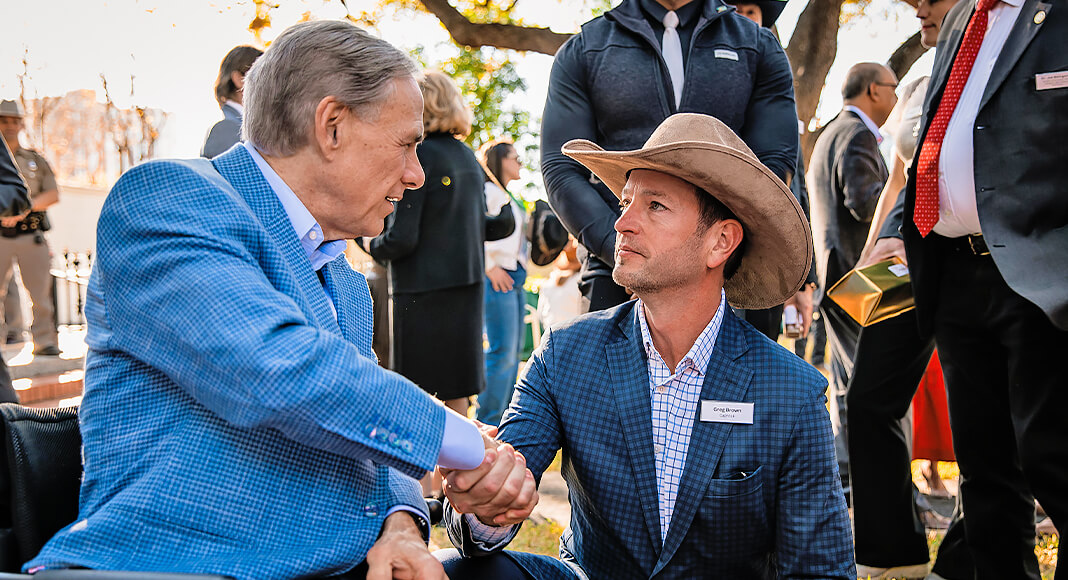
“Texas ranks No. 1 for technology, innovation, and semiconductors,” said Governor Abbott. “This is because of the policies that we have passed prioritizing, our large and small businesses. This may be your first visit for some of you, but for most of you it is the place you call home. We are proud to have you here and proud to have you at South by Southwest.”
Photo: Office of The Governor
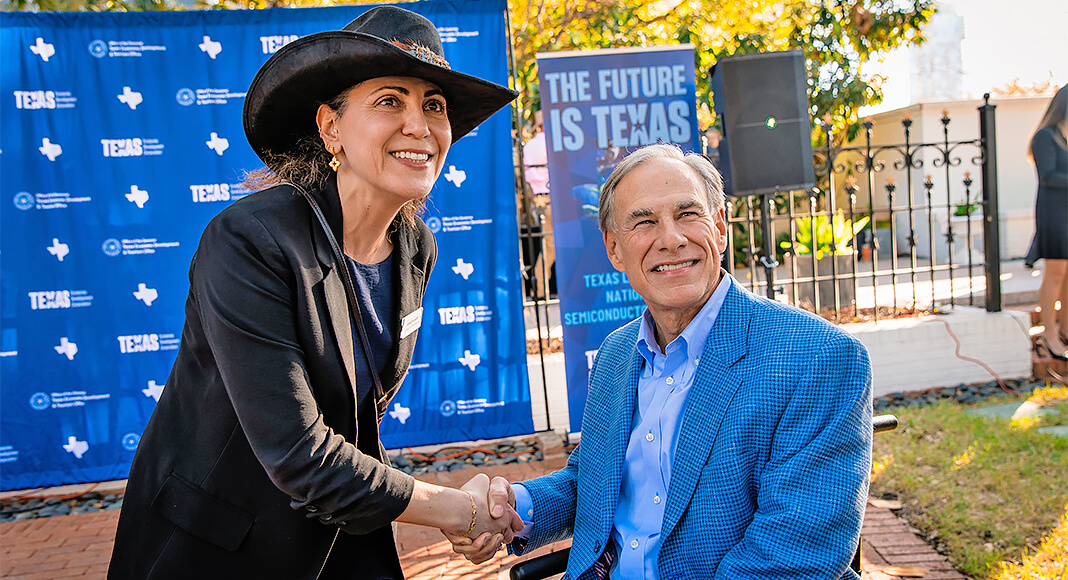
The SXSW Cocktail Reception & Tech Innovation Dinner is held each year at the Governor’s Mansion. This event is hosted by the Office of the Governor, Texas Economic Development and Tourism Office, the Texas Economic Development Corporation — and for the first time ever — SXSW.
SXSW has drawn cutting-edge innovators, tech leaders, and global creators worldwide to Austin, Texas. Photo: Office of The Governor
Joined by business and technology leaders from around the world, Governor Abbott invited attendees to explore, learn, create, network, and enjoy all the city and state have to offer. Additionally, the Governor underscored the fact that Texas’ business-friendly climate and common-sense regulatory environment are attracting innovative industry leaders across all sectors, including defense, artificial intelligence, energy, aerospace, and advanced manufacturing and technology. The Governor also highlighted that through collaborative events like SXSW, sound policy and industry and workforce investments, Texas is cultivating a robust technology and innovation ecosystem.
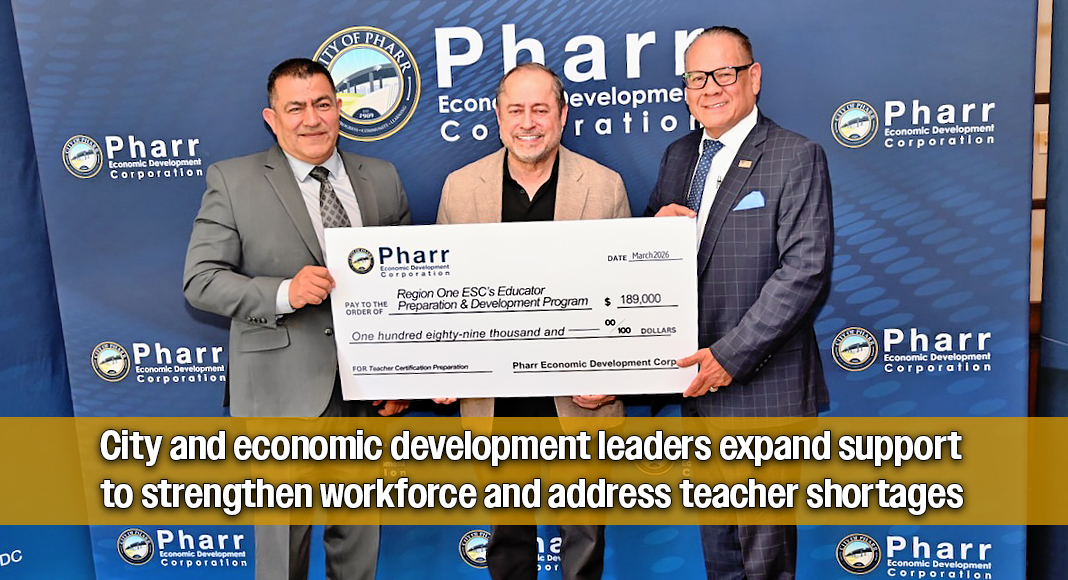
Dr. Alejandro Elias, Superintendent of the Pharr-San Juan-Alamo ISD; Dr. Daniel King, Executive Director of Region One Education Service Center; and Victor Perez, President and CEO of the Pharr Economic Development Corporation, present a ceremonial check for $189,000 to support teacher certification for Pharr residents. The initiative, announced by the City of Pharr and the Pharr EDC in partnership with Region One, will help 45 aspiring educators complete certification programs over the next two years, strengthening the local teacher pipeline and supporting long-term workforce development. Image by Noah Mangum González / Texas Border Business
Texas Border Business
By Roberto Hugo González / Texas Border Business
PHARR, TX — The City of Pharr and the Pharr Economic Development Corporation (EDC) announced a $189,000 investment to support teacher certification for residents who live and work in Pharr, expanding efforts to strengthen the local education workforce.
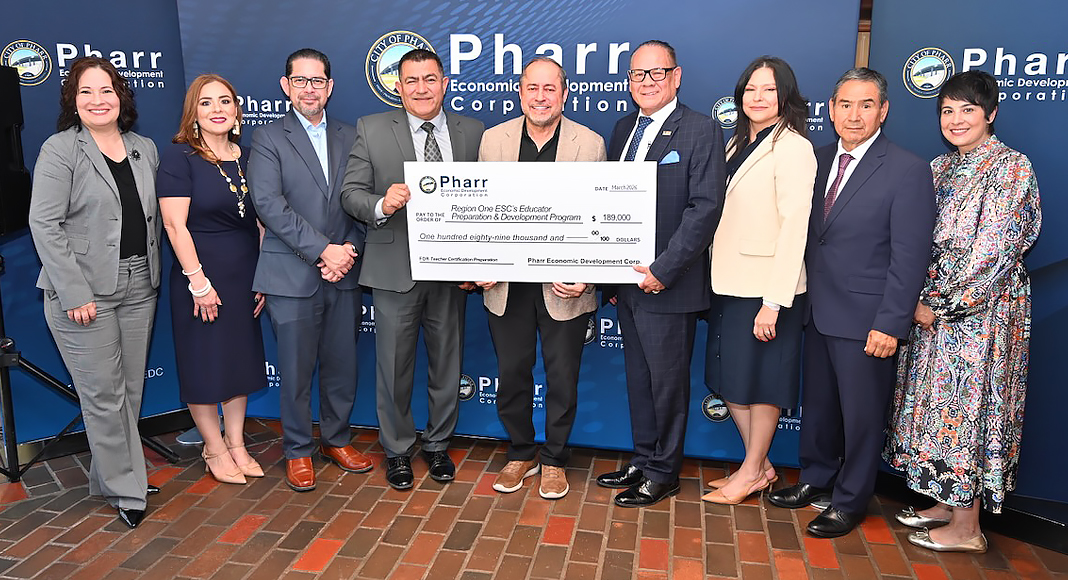
The funding, provided in partnership with Region One Education Service Center, will help 45 aspiring educators complete certification programs over the next two years, reducing financial barriers and expanding the pipeline of qualified teachers for local schools.
Dr. Alejandro Elias, Superintendent of PSJA ISD; Dr. Daniel King, Executive Director of Region One Education Service Center; and Victor Perez, President and CEO of the Pharr Economic Development Corporation, stand at the center, holding a ceremonial $189,000 check, to announce a new teacher certification initiative for Pharr residents. They are joined by representatives from Region One, PSJA ISD, and the Pharr EDC, highlighting a joint effort to expand the pipeline of certified educators and strengthen the local workforce. Image by Noah Mangum González / Texas Border Business
Victor Perez, president and CEO of the Pharr Economic Development Corporation, said the initiative reflects the city’s view of economic development, which includes investing in people, infrastructure, and business growth.
“Economic development is not only about infrastructure and business growth,” Perez said. “It’s also about investing in people and education.”
Perez noted that the program will help cover certification, training, and related fees so participants can focus on preparing to serve students.
The new commitment significantly expands the program. Last year, the Pharr EDC contributed $21,000 to the Region One teacher certification program, helping five aspiring teachers pursue certification. The new funding will extend those opportunities to 45 individuals over the next two years.
Dr. Daniel King, executive director of Region One Education Service Center, said the partnership represents a long-term investment in the community.
“One of the best payoffs is investing in your own people,” King said. “When you invest in your own citizens, that investment lasts.”
King noted that while communities often focus economic development efforts on attracting new industries, investments in education and professional training build lasting local capacity. Research, he said, shows that teachers who complete formal certification programs are more effective in the classroom and more likely to remain in the profession.
Dr. Alejandro Elias, superintendent of the Pharr-San Juan-Alamo Independent School District, said the initiative helps address a critical step in the teacher pipeline.
“Everybody talks about retention, but how are we getting teachers certified?” Elias said. “This program is addressing that piece.”
Elias added that partnerships among the city, the Pharr EDC, Region One, and local school districts strengthen the education system while supporting long-term workforce development.
City leaders said the initiative demonstrates how economic development strategies can extend beyond business recruitment by investing in education and workforce preparation. By supporting residents pursuing teaching careers, the program helps ensure local classrooms are staffed by qualified educators connected to the communities they serve.
The announcement concluded with a ceremonial check presentation recognizing the partnership between the Pharr Economic Development Corporation and Region One.
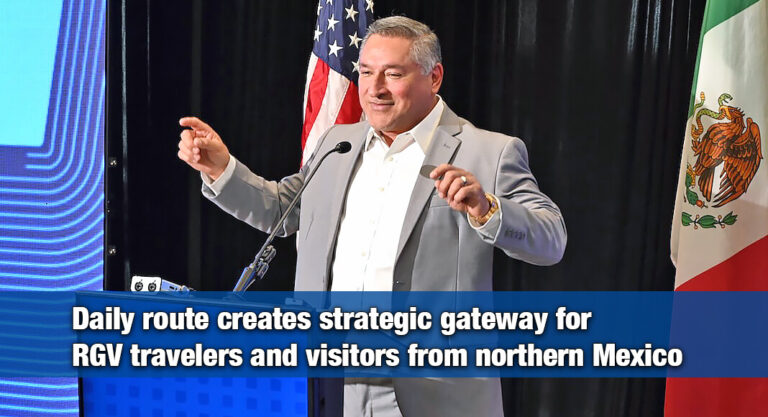
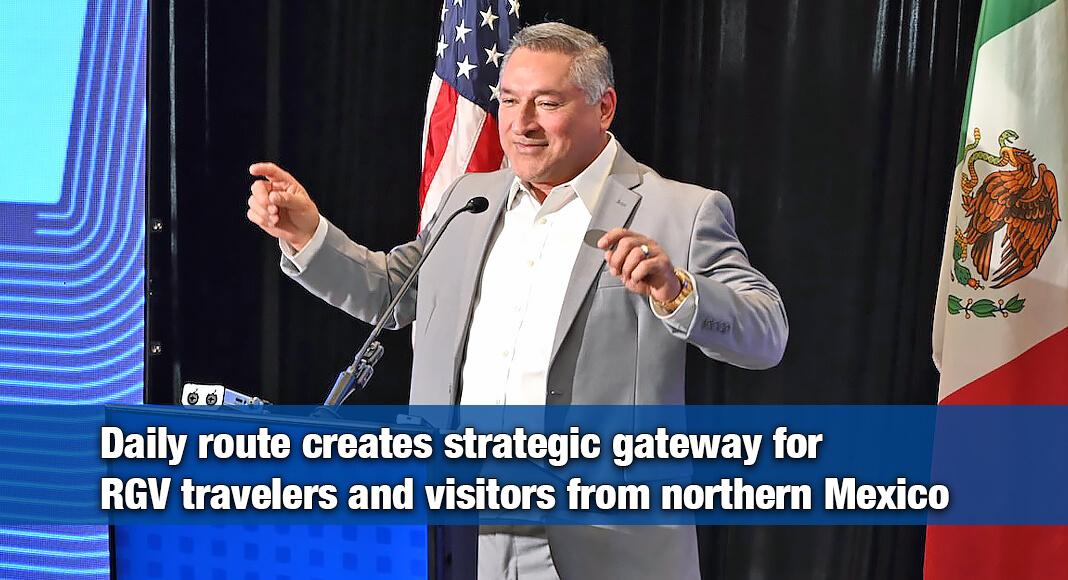
McAllen Mayor Javier Villalobos. Image Noah Mangum González
Texas Border Business
Something new is taking shape that could change how people in the Rio Grande Valley travel, do business, and connect across the border. Local leaders say this development could strengthen regional ties and create new opportunities for visitors and residents alike. Why are officials calling it an important moment for the community? Discover what’s behind the excitement and why this announcement could matter more than many people realize. Subscribe for Free and read the article.
New McAllen–Monterrey flight strengthens cross-border travel and connections across Mexico
By Roberto Hugo González / Texas Border Business
McALLEN, Texas — City leaders and aviation officials announced a new nonstop flight between McAllen, Texas, and Monterrey, Nuevo León, Mexico during a press conference at McAllen International Airport, describing the route as a major step forward for regional connectivity and cross-border travel.
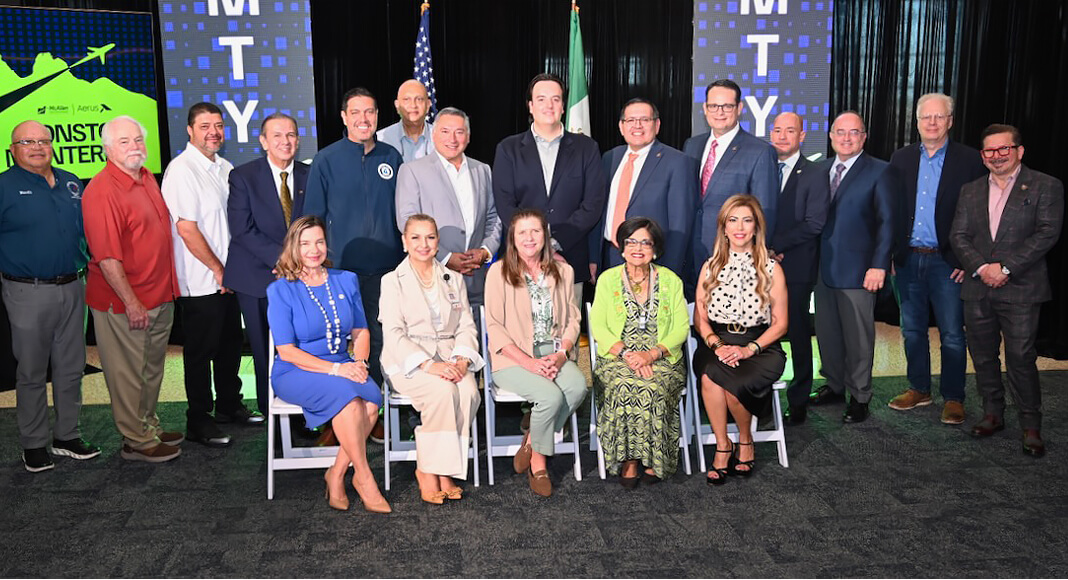
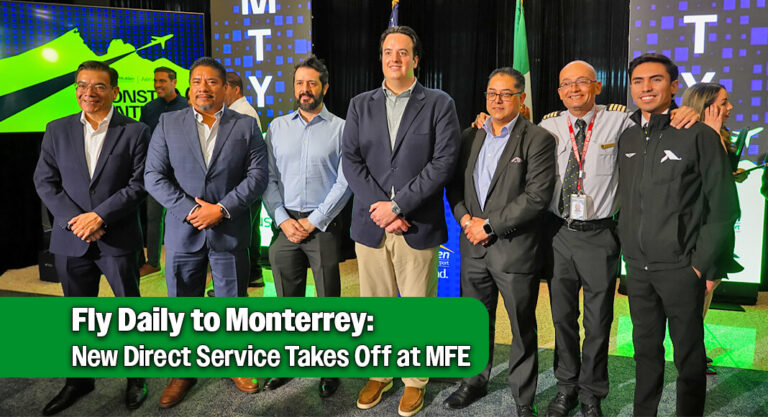
McAllen City officials, the airport board, and AERUS officials. Image Noah Mangum González
The daily service will be operated by Monterrey-based airline AERUS beginning March 27, with introductory fares starting at $185 one way, including taxes.
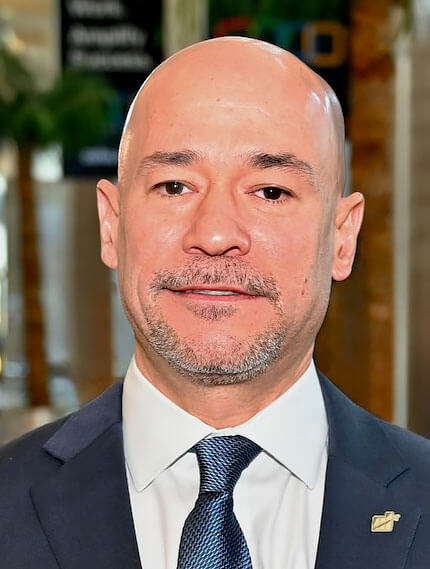
AERUS CEO Javier Herrera said the route will strengthen economic and cultural ties between the two cities while creating new travel options beyond Monterrey.
Javier Herrera. Noah Mangum González
“Today it is my honor to officially announce the launch of our new direct route between Monterrey, Nuevo León, and McAllen, Texas,” Herrera said. “This new route represents far more than simply a new flight. It represents a bridge between two communities that have long been closely connected economically, culturally, and socially.”
Flights will operate on Cessna Caravan EX aircraft. Herrera said the airline has completed nearly 22,000 flights since launching about three years ago and maintains an on-time performance of about 95 percent.
Through AERUS’ partnership with Viva, passengers arriving in Monterrey will be able to connect to more than 30 destinations across Mexico and internationally, allowing travelers from the Rio Grande Valley to fly to Monterrey and continue to cities throughout the country.
McAllen Mayor Javier Villalobos said expanding air service is critical to the city’s growth.
“When we talk about McAllen, we talk about connectivity. We talk about business,” Villalobos said. “So whether you’re coming to McAllen for work, for play, or entertainment, we need this, and we keep working to provide it.”
Ike Tawil. Noah Mangum González
City Manager Ike Tawil said the airport is a major economic driver for the region.
“The McAllen International Airport is a critical link in the chain that drives the McAllen economy,” Tawil said.
Tawil cited a recent economic impact study estimating the airport generates about $1.2 billion in regional economic activity. He also noted March sales tax allocations increased about 5.5 percent compared with the same month last year.
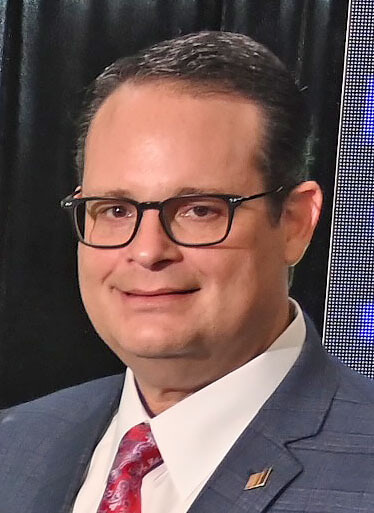
Jeremy Santoscoy. Noah Mangum González
Airport Director of Aviation Jeremy Santoscoy said the route responds to demand from the region’s business community and travelers.
“McAllen International Airport is proud to welcome AERUS to our city,” Santoscoy said. “This new nonstop service will give our travelers an important international destination like Monterrey.”
Jesús Cano, representing the Mexican Consulate in McAllen, said the route reflects the strong economic relationship between the United States and Mexico.
Jesus Cano. Noah Mangum González.
“The opening of this new route between McAllen and Monterrey reflects the deep economic and social integration that exists between our two regions,” Cano said.
He noted that trade between the two countries exceeded $1 trillion in 2024 and 2025, making Mexico the United States’ largest trading partner.
Officials said the flight is also expected to support travel in both directions, as Monterrey and other cities in Mexico remain key sources of visitors to McAllen and the Rio Grande Valley for shopping, business, medical services, and tourism.
The new route will also provide additional access ahead of the 2026 FIFA World Cup, when Monterrey will serve as one of the host cities.
City leaders said the service strengthens a long-standing cross-border relationship while giving Rio Grande Valley travelers easier access to Monterrey and the rest of Mexico.
McAllen International Airport (MFE) announced new daily nonstop service to Monterrey, Nuevo Leon via Mexico-based carrier Aerus, beginning March 27, 2026. Image courtesy of The City of McAllen
Texas Border Business
McAllen International Airport (MFE) announced new daily nonstop service to Monterrey, Nuevo Leon via Mexico-based carrier Aerus, beginning March 27, 2026. The new route will provide travelers with a convenient and efficient connection between two dynamic and closely connected regions.
Mayor Javier Villalobos. Courtesy image
“This new connection reflects the strong relationship between McAllen and Monterrey,” said Mayor Javier Villalobos, City of McAllen. “Our communities share deep ties, and expanding air service helps foster greater opportunity between our regions.”
The new route underscores the longstanding relationship between South Texas and Northern Mexico, where commerce, tourism, and family connections continue to drive cross-border engagement.
“International commerce is one of McAllen’s competitive advantages and a key driver of our regional economy,” said Isaac Tawil, City Manager for the City of McAllen. “Investments in our airport and bridge system are essential to ensuring McAllen remains a leader in international commerce.”
“Our goal at McAllen International Airport is to expand convenient and reliable travel options for the Rio Grande Valley,” said Jeremy Santoscoy, P.E., Director of Aviation. Image courtesy of The City of McAllen
The announcement follows several recent improvements at McAllen International Airport, with additional upgrades planned as part of the airport’s continued commitment to enhancing the passenger experience. A forthcoming terminal expansion project will further support the airport’s long-term vision for growth and improved connectivity for the region.
“Our goal at McAllen International Airport is to expand convenient and reliable travel options for the Rio Grande Valley,” said Jeremy Santoscoy, P.E., Director of Aviation. “This new daily service with Aerus provides travelers with a direct connection to Monterrey, making international travel more accessible for our community.”
The new route is serviced by Aerus, a carrier based in Monterrey International Airport.
“The new Monterrey-McAllen route reinforces our strategic vision to keep connecting northern Mexico with key markets in the United States. McAllen is one of the markets of choice for people from Monterrey, because of its proximity and vibrant commercial, tourist, and friendly relationship,” said Javier Herrera, CEO of Aerus “This new route not only expands mobility options between the two cities, but thanks to our partnership with Viva Aerobus, it also opens the door for McAllen passengers to a wide network of destinations in Mexico, facilitating new travel, business, and tourism opportunities throughout the country.”
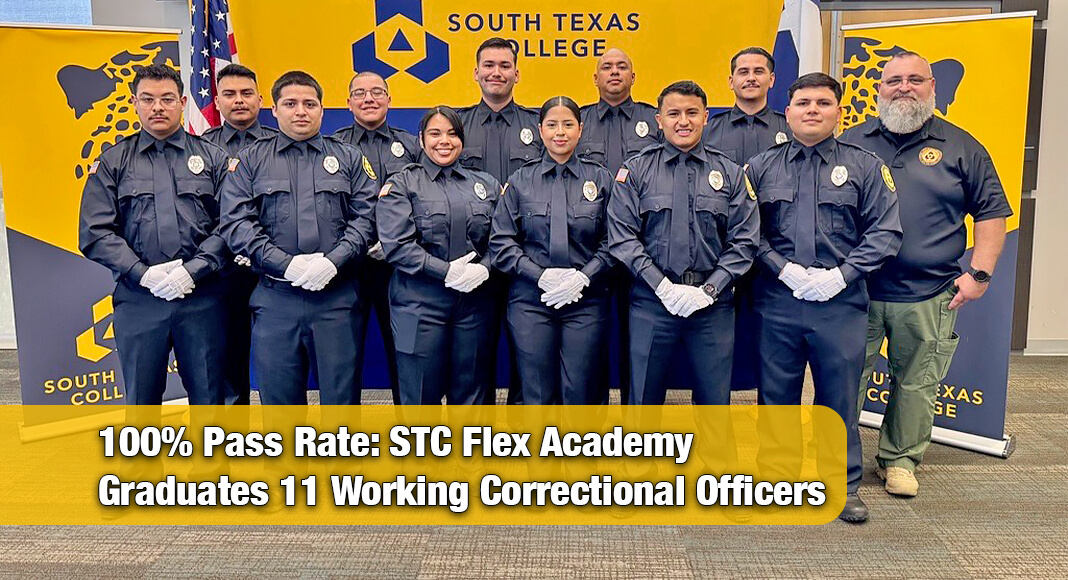
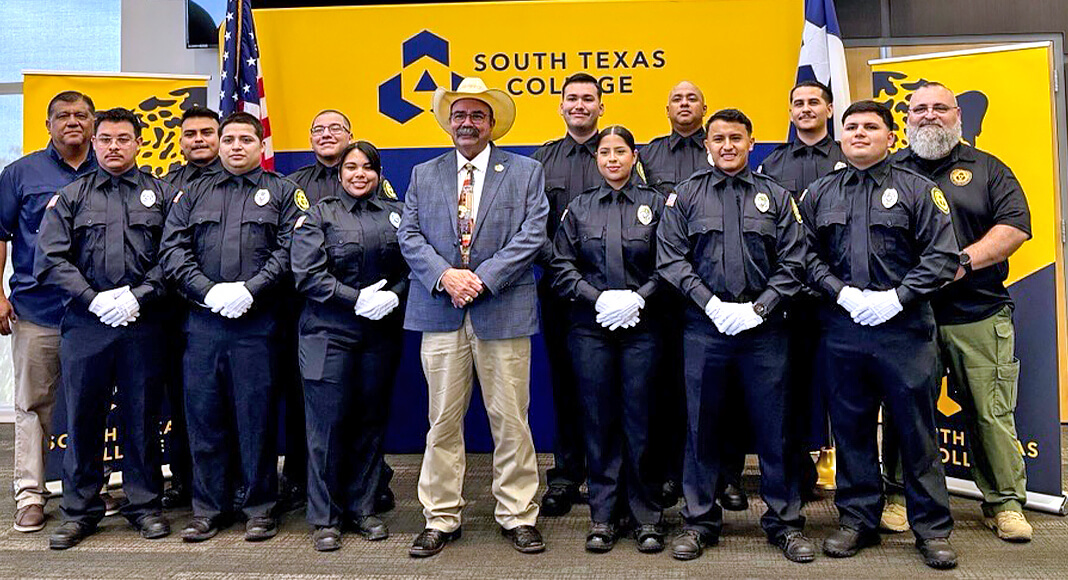
STC graduated its 39th Police Academy class, a unique group of 11 correctional officers with the Hidalgo County Sheriff’s Office who are now certified peace officers through a program designed to accommodate their full-time work schedules. STC image
Texas Border Business
By Selene Rodriguez
South Texas College graduated its 39th Police Academy class, a unique group of 11 correctional officers with the Hidalgo County Sheriff’s Office who are now certified peace officers through a program designed to accommodate their full-time work schedules.
Known as the “Flex Academy,” the year-long initiative rotated between morning and afternoon classes, allowing participants to attend the part-time academy while maintaining full-time jobs at the Hidalgo County Adult Detention Center.
Hidalgo County Sheriff J.E. “Eddie” Guerra, who served as the keynote speaker at the completion ceremony, encouraged graduates to uphold the values of dedication, excellence and integrity as they begin their law enforcement careers. STC image
All 11 graduates passed the Texas Commission on Law Enforcement (TCOLE) certification exam on their first attempt, giving the class a 100% pass rate.
“Just finishing a law enforcement program is a huge accomplishment, but to complete it while working full-time jobs and supporting their families is something to celebrate,” said Victor Valdez, STC Public Safety Programs department chair. “We’re very grateful to the Sheriff’s Office for their collaboration in this initiative. It was important for us to give people who are already working in the field a real chance to advance in their careers.”
STC’s program, both physically and academically demanding, prepares students with the training and knowledge necessary to be certified by TCOLE.
“I worked at the Sheriff’s Office for 13 years, so being part of creating this opportunity for aspiring police officers is a personal accomplishment that I take to heart,” added Valdez.
Hidalgo County Sheriff J.E. “Eddie” Guerra, who served as the keynote speaker at the completion ceremony, encouraged graduates to uphold the values of dedication, excellence and integrity as they begin their law enforcement careers.
“As sheriff of Hidalgo County, I can tell you this: skills can be taught, tactics can be improved, but integrity must already be within you,” Guerra said. “Graduating from the academy is an important step, but now the real work begins when you earn the trust of the community you serve. I’m proud of what you’ve accomplished, and I look forward to seeing many of you succeed in Hidalgo County and beyond.”
For graduate Lawrence Tamez, the program was especially challenging and rewarding as he balanced academy training, a full-time job and the birth of his second child during the program. Now, his longtime dream of becoming a police officer is becoming a reality.
“I started working as a correctional officer because I saw it as a stepping stone. When they offered this opportunity, I knew I couldn’t pass it up,” Tamez said. “I want to go out and help the community, be proactive and guide young people in the right direction. I want people to see that police officers aren’t just there to arrest people. We’re there to help.”
Tamez said the support of his wife helped him push through the demanding schedule while caring for their newborn daughter.
“When I first signed up, I was hesitant because I wanted to make sure my wife would be okay with everything going on,” Tamez said. “But she encouraged me to go for it and reminded me that in the end it would all be worth it. This is a big step in my career and I’m doing it for my family.”
Sharing a similar sentiment, 26-year-old Cynthia De La Cruz said graduating from the academy is just the first step toward a career in forensic investigation. She said she plans to return to school to study Biology and hopes to one day work at the federal level.
“I plan to stay, hopefully as a reserve deputy with the Sheriff’s Office, while I continue my education,” she said. “One thing I appreciated about the STC academy was getting exposure outside the classroom. We were able to do some classes with local police departments and hear stories and experiences from officers who are already out in the field and that helped us learn a lot.”
A 21-year-old Weslaco man has been ordered to prison for his role in conspiring to smuggle illegal aliens. Image for illustration purposes
Texas Border Business
U.S. Attorney’s Office, Southern District of Texas
CORPUS CHRISTI, Texas – A 21-year-old Weslaco man has been ordered to prison for his role in conspiring to smuggle illegal aliens.
Hugo Jimenez Jr. pleaded guilty Nov. 13, 2025.
U.S. District Judge David S. Morales has now ordered Jimenez to serve 36 months in federal prison to be immediately followed by two years of supervised release. At the hearing, the court heard additional evidence that Jimenez attempted to mislead law enforcement about a failed smuggling attempt that resulted in the seizure of his vehicle. In handing down the sentence, the court noted Jimenez’s leadership role and the significant number of illegal aliens he transported.
From October 2024 to May 2025, Jimenez oversaw numerous alien smuggling events throughout South Texas and conspired with others to transport illegal aliens further into the United States.
Jimenez recruited local drivers to drive the illegal aliens through Border Patrol checkpoints by concealing them in the cargo areas of their vehicles. He often scouted the checkpoints in advance and coordinated rendezvous points north of the inspection sites.
At times, Jimenez personally transported the aliens to San Antonio or Houston.
Previously released on bond, Jimenez was taken into custody where he will remain pending transfer to a Federal Bureau of Prisons facility to be determined in the near future.
Border Patrol’s Intelligence Unit and the Kingsville Abatement Team conducted the investigation with the assistance of the Rio Grande Valley Sector Targeting and Intelligence Division. Assistant U.S. Attorney John Lamont prosecuted the case.
This case is part of Operation Take Back America, a nationwide initiative that marshals the full resources of the Department of Justice to repel the invasion of illegal immigration, achieve the total elimination of cartels and transnational criminal organizations and protect our communities from the perpetrators of violent crime.
Officers quickly located and arrested 25-year-old Antonio Martinez of McAllen nearby and recovered a firearm. A second suspect, a juvenile male, was also apprehended shortly thereafter. Investigators determined the juvenile was the individual who allegedly pointed the firearm at the victim. Additional reports of vehicle burglaries in the surrounding area were also received. Image courtesy of Edinburg PD
Texas Border Business
EDINBURG, Texas – Edinburg Police Department officers arrested two suspects on Wednesday, March 11, 2026, in connection with a burglary of a vehicle in progress. Investigators believe the arrests may be linked to several recent vehicle break-ins reported in the surrounding area.
At approximately 5:35 a.m. on March 11, 2026, Edinburg Police patrol officers responded to the 1900 block of E. Ascot Dr. for a report of a burglary of a vehicle in progress.
The victim reported walking outside and seeing a suspect burglarizing his vehicle. The suspect then confronted the homeowner and pointed a firearm at him. The suspect and a second individual then fled the area on foot.
Officers quickly located and arrested 25-year-old Antonio Martinez of McAllen nearby and recovered a firearm. A second suspect, a juvenile male, was also apprehended shortly thereafter. Investigators determined the juvenile was the individual who allegedly pointed the firearm at the victim. Additional reports of vehicle burglaries in the surrounding area were also received.
Martinez is being charged with aggravated robbery, evading arrest, and four counts of burglary of a vehicle. The juvenile is being charged with aggravated robbery, four counts of burglary of a vehicle, and possession of a controlled substance.
“I’m proud of the quick work by our officers that led to these suspects being identified and taken into custody,” said Police Chief Jaime Ayala. “Great job by our officers for their fast response and their continued dedication to keeping our community safe.”
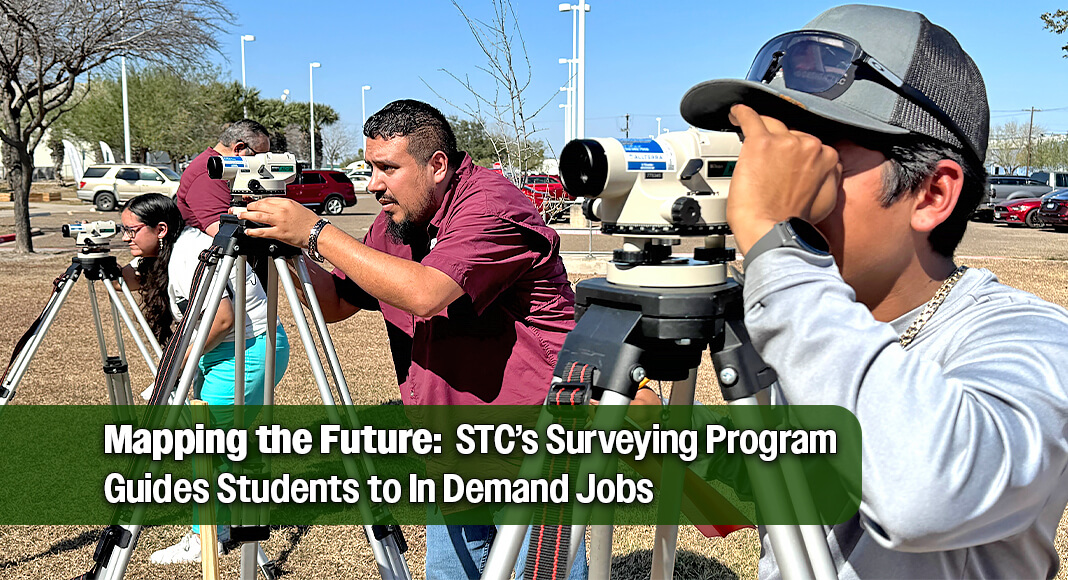
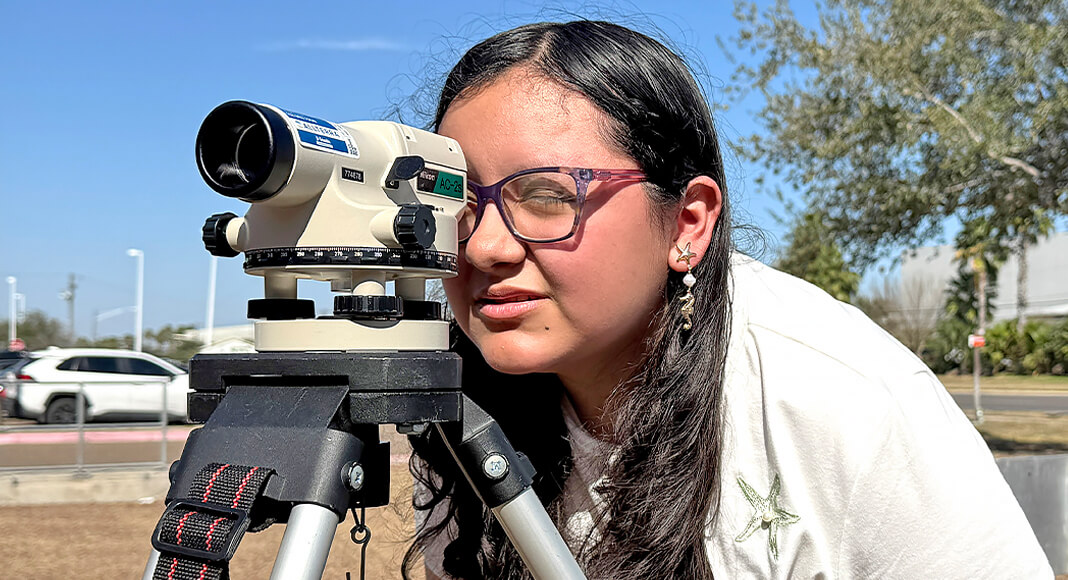
South Texas College’s Surveying and Geospatial Technology program is preparing students for work in a high-demand industry through coursework that combines traditional surveying principles with modern technology including GPS, satellites and mapping systems along with concepts in Texas boundary law and land history. STC image
Texas Border Business
By Joey Gomez
McALLEN, Texas –South Texas College is preparing the next generation of land surveyors and geospatial technology professionals through a program that is stepping up to meet a growing workforce demand across the Rio Grande Valley and Texas.
With a shortage of licensed surveyors statewide and an increasing need tied to development, real estate and infrastructure projects, STC’s Surveying and Geospatial Technology program is positioning students for careers in a field many may not know about, but that plays a vital role in everyday life.
STC students perfecting their art. STC image
Program Coordinator Manuel “Manny” Carrizales said the demand for surveyors continues to rise as much of the current workforce nears retirement age and fewer newcomers enter the profession.
“To put it into perspective, imagine if there were only three dentists in the entire Valley. That’s kind of where we’re at with land surveyors,” Carrizales said. “At STC, we are proud to lead the way in creating the next group of professionals who will enter a career that is seeing increasing demand.”
The demand for licensed professionals has increased statewide, which is creating significant opportunities for students pursuing careers in the field, Carrizales said. While surveyors play a behind-the-scenes role, their role is essential whenever property changes owners or land boundaries must be verified, he said.
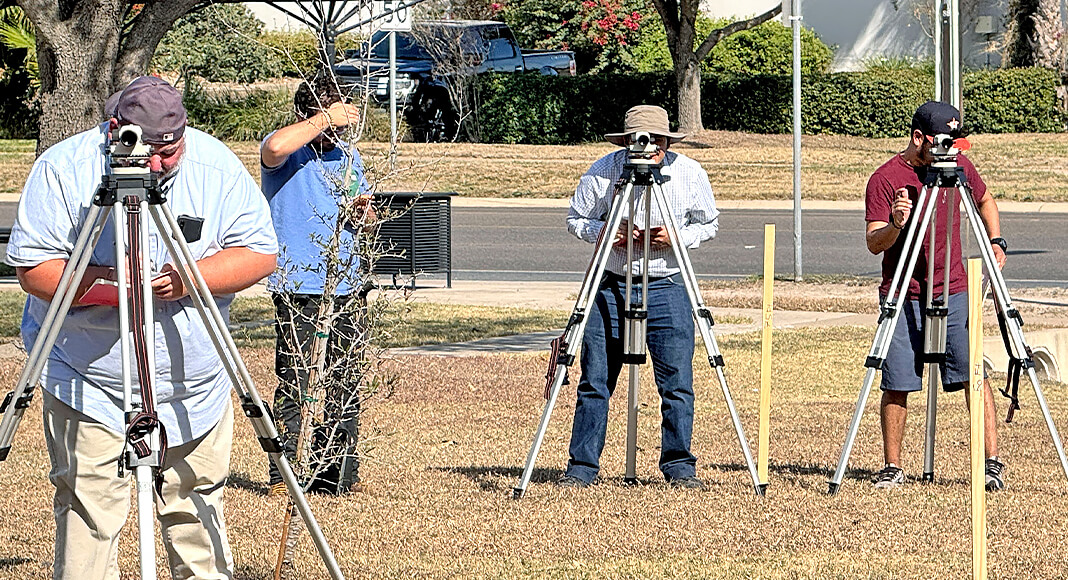
Learning her craft. STC image
“Most people will need a surveyor before they need an engineer,” Carrizales said. “The minute you buy a house, buy property or inherit land, you know you are going to need a land surveyor.”
At STC, the program prepares students for the education and exam requirements needed to become licensed while connecting them to employers actively seeking new talent. Carrizales said industry partners frequently contact him directly when they are hiring.
Faculty member Jesus Amaya said industry connections help translate classroom instruction into real-world experience. Local surveying firms regularly reach out to the program in search of students who can draft, operate equipment or assist in fieldwork.
“We have many representatives in the industry who are always looking for students who want to work,” Amaya said. “As faculty in the program, we take on this role to make sure they are ready for the demands of the job.”
One of the program’s recent graduates, Juan Olivarez, said that industry connections helped him transition quickly into the workforce.
Olivarez, who graduated in May 2025, with an associate degree in Geospatial Technology, said his coursework in boundary principals and case studies continues to guide his day-to-day on the job.
Initially pursuing a degree in Computer Science, Olivarez said a suggestion from his mother led him to explore surveying, where he discovered a career that allowed him to work both indoors and outdoors.
He began building professional connections early, landing a job in the field during his second semester at STC.
“I was in the surveying program, and I am now working for a land surveying company,” he said. “A lot of what I learned in my classes is definitely applicable to what I am doing now. Things like understanding boundaries, and the court cases we studied in class for example, makes me more well-rounded to make critical decisions at work.”
Carrizales said many students enter the program without knowing exactly what surveying entails, so instructors focus on helping them explore the profession and its opportunities.
At STC, the program combines traditional surveying principles with modern geospatial technology, which is a blend that brings cutting-edge tools to an ancient profession, he said.
Students learn to use Global Positioning System (GPS), satellites and mapping systems while also studying Texas boundary law and land history.
“Your phone will get you from here to a restaurant in California,” Carrizales said. “Surveying will get you to the nickel that’s thrown on the sidewalk next to the fire hydrant at the restaurant.”
Now employed in the industry, Olivarez said the variety of projects, from mortgage surveys and real estate transactions to engineering and government work, highlight the field’s opportunities.
“You can work with banks, realtors and engineers…you can work with oil companies or for the government,” he said. “The key in this profession is just persistence. Make connections while you’re at STC. That how I managed to secure my job quickly.”
Trump included a symbolic gesture to evoke the public debate on tariff rebates for Americans, despite H.R. 7865 being Cuellar’s standalone Democratic bill, unaffiliated with Trump. Cartoon by Texas Border Business
Texas Border Business
Texas Border Business
Washington, D.C. – March 12, 2026 – In a rare show of cross-aisle cooperation amid ongoing economic debates, U.S. Rep. Henry Cuellar (D-TX) has introduced legislation that could deliver direct relief to millions of American taxpayers burdened by higher prices from certain tariffs.
The American Consumer Tariff Rebate Act of 2026 (H.R. 7865), introduced on March 9 and referred to the House Committee on Ways and Means, seeks to provide one-time rebates totaling approximately $231 billion. The figure stems from estimates of consumer cost increases tied to tariffs imposed without explicit congressional authorization, primarily under the International Emergency Economic Powers Act.
Trump included a symbolic gesture to evoke the public debate on tariff rebates for Americans, despite H.R. 7865 being Cuellar’s standalone Democratic bill, unaffiliated with Trump. Cartoon by Texas Border Business
Cuellar’s bill argues that Article I, Section 8 of the Constitution reserves tariff authority to Congress, and that unauthorized duties have functioned as a hidden tax on everyday goods such as groceries, fuel, vehicles, and materials. Following recent Supreme Court rulings that found some retaliatory tariffs unconstitutional, the measure aims to provide restitution directly to eligible taxpayers through the U.S. Treasury.
Under the proposal, payments would be based on recent federal tax returns, with adjustments for filing status: single filers and married filing separately receive the base amount, heads of household 150%, and joint filers or qualifying surviving spouses 200%. A $125 “Child Bonus” per qualifying child would add extra support for families, funded in part by excluding high-income earners (adjusted gross income over $400,000).
“Tariffs have driven up prices on essentials for working families,” Cuellar stated in his announcement. “This common-sense bill delivers meaningful relief and holds government accountable for costs passed onto consumers.”
While the legislation enjoys bipartisan undertones in its focus on consumer relief, its path forward remains uncertain in a divided Congress. If enacted, it could mark a significant step toward addressing concerns about tariff-induced inflation and reinforcing congressional oversight of trade policy. The bill now awaits committee review.
The inclusion of former President Donald Trump’s cartoon image in the illustration alongside Rep. Henry Cuellar is a deliberate artistic choice to symbolize the public conversation and political momentum around returning tariff-related benefits to everyday Americans—even though the specific bill (H.R. 7865, the American Consumer Tariff Rebate Act of 2026) is Cuellar’s independent Democratic-led initiative and not directly authored or endorsed by Trump.
Electric vs. Gasoline: The Battle for America’s Roads Begins: The Trump Administration has sued California over its electric vehicle mandate, setting off a legal showdown that could decide whether states can force a shift away from gasoline-powered cars. Image for illustration purposes
Texas Border Business
The Trump Administration has launched a major lawsuit against California, challenging the state’s aggressive electric vehicle mandate and sparking a national battle over who controls U.S. auto policy. At stake: consumer choice, vehicle prices, and the future of gasoline-powered cars. Could one state reshape what millions of Americans drive? This legal fight could redefine the auto industry for decades. Subscribe for FREE to read the full analysis and what it means for drivers nationwide.
FEDERAL SHOWDOWN: Trump Administration Sues California Over Ev Mandate — War Over America’s Cars Begins
Texas Border Business
March 12, 2026 — A high-stakes legal battle has erupted between Washington and California — and the outcome could reshape what Americans drive for decades.
The Trump Administration has launched a major federal lawsuit aimed at stopping California from enforcing what officials describe as an illegal electric vehicle mandate that could dramatically change the U.S. auto market.
The Justice Department, acting on behalf of the National Highway Traffic Safety Administration (NHTSA), filed the case in federal court to block California from imposing strict vehicle rules that critics say would force automakers nationwide to prioritize electric vehicles — whether consumers want them or not.
Federal officials argue the state’s aggressive policies amount to state-controlled fuel economy regulations, something they say only the federal government has the authority to set.
The lawsuit signals the start of a national confrontation over energy policy, consumer choice, and the future of the automobile industry.
A Battle Over Who Controls America’s Roads
At the center of the conflict is California’s sweeping plan to require automakers to rapidly increase sales of zero-emission vehicles — ultimately phasing out new gasoline-powered cars.
Federal officials say the move effectively forces manufacturers to redesign their entire production strategies to comply with one state’s rules.
According to administration officials, allowing California to dictate such standards could trigger a costly patchwork of regulations across the country, pushing vehicle prices higher and limiting options for millions of American drivers.
The federal government argues the state’s rules violate the Energy Policy and Conservation Act, which gives the National Highway Traffic Safety Administration exclusive authority over fuel-economy standards in the United States.
The “Freedom Means Affordable Cars” Initiative
The lawsuit is part of a bigger effort by the administration known as the “Freedom Means Affordable Cars” initiative, designed to lower vehicle costs and reset federal fuel-economy standards.
Officials say the plan could save Americans $109 billion over the next five years and reduce the average cost of a new vehicle by roughly $1,000.
Supporters of the initiative say the goal is simple: restore consumer choice and allow automakers to build the vehicles Americans actually want to buy.
Why the Stakes Are So High
The outcome of the case could determine whether individual states can shape national automotive policy.
California’s rules influence much of the country because several states historically adopt the same emissions standards. If the mandate moves forward, critics argue it could accelerate a nationwide shift toward electric vehicles — regardless of regional energy needs, infrastructure readiness, or consumer demand.
Supporters of California’s policy, however, argue the state must take aggressive action to reduce emissions and fight climate change.
The Next Chapter
The lawsuit, filed in the U.S. District Court for the Eastern District of California, sets the stage for what could become one of the most consequential legal battles in the modern auto industry.
For automakers, energy producers, and millions of drivers across the country, the case could determine what vehicles Americans will be able to buy — and at what price — in the years ahead.
One thing is already clear:
The fight over the future of America’s cars has officially begun.