














Texas Border Business




Texas Border Business
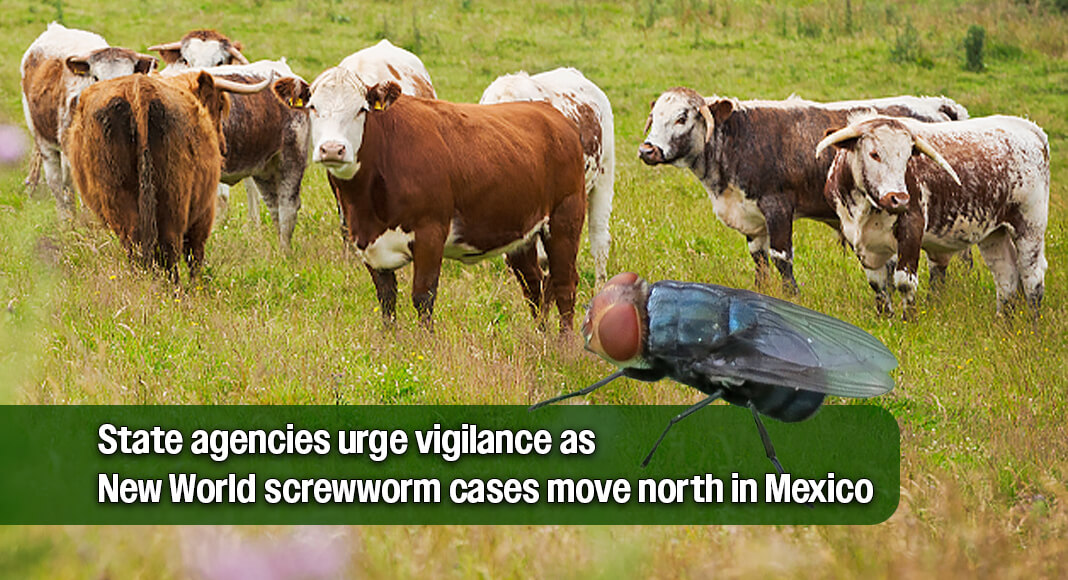
Rio Grande Valley leaders and agriculture officials met in Weslaco this week to discuss preparedness for the possible spread of the New World screwworm, a flesh-eating parasite that state officials say is approaching the Texas border.
The meeting came as Texas agencies increased warnings about the parasite following confirmed detections in northern Mexico. According to the Texas Animal Health Commission, the New World screwworm can infect livestock, wildlife, pets, and, in rare cases, humans by entering open wounds and feeding on living tissue.



The Texas Animal Health Commission states that the parasite was eradicated in the United States in 1966 but remains a concern because confirmed cases have moved north through Mexico. The agency says Texas is focused on “early detection and rapid response,” particularly in border regions.
Officials at the Weslaco meeting urged residents, ranchers, and animal owners to remain alert for unusual wounds or maggot infestations in animals. Reporting suspicious cases quickly is a central part of the state response, according to guidance published by the Texas Animal Health Commission.
The Texas Department of Agriculture has also issued alerts tied to detections in the Mexican state of Coahuila. Agriculture Commissioner Sid Miller warned Texans to remain vigilant as the parasite moves closer to the border. The department said the state has increased surveillance and coordination with federal authorities and Mexican officials to prevent the pest from entering Texas.
State guidance recommends that ranchers and veterinarians regularly inspect animals and closely monitor wounds. Texas A&M AgriLife Extension has published identification and biosecurity information to help livestock owners recognize possible infections and respond quickly.
Officials have emphasized awareness rather than alarm. Rio Grande Valley leaders said the current focus is preparation, monitoring, and communication as Texas agencies track developments near the border.
See related stories: