

















Texas Border Business



Texas Border Business
Texas agencies and agricultural experts are urging ranchers and veterinarians to increase livestock monitoring as concerns grow over the northward spread of the New World screwworm, a flesh-eating parasite detected in Mexico.
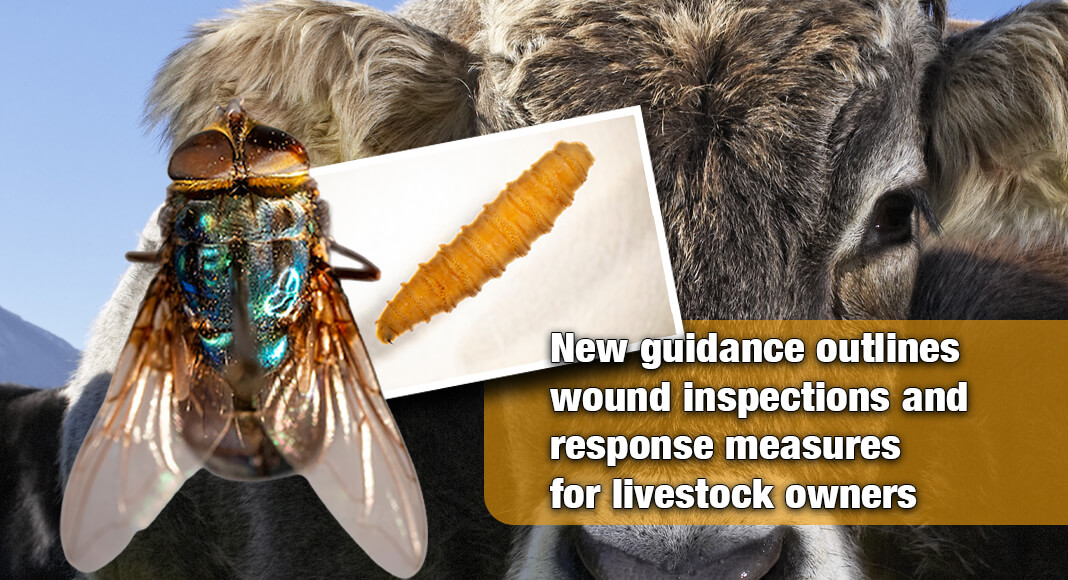
The Texas Animal Health Commission states that the New World screwworm can infect livestock, wildlife, pets, and, in rare cases, humans. According to the agency, the parasite enters through open wounds, where larvae feed on living tissue. The commission says the pest was eradicated in the United States in 1966 but remains a concern because confirmed cases in Mexico have moved closer to the Texas border.
USDA is making the right call by pushing sterile fly operations north. The New World screwworm threat is moving in that direction, and Texas isn’t waiting around.
Texas Agriculture Commissioner Sid Miller



The Texas Department of Agriculture has issued alerts tied to confirmed detections in northern Mexico and urged Texans to remain vigilant. State officials said preparedness efforts include surveillance and coordination with federal agencies and Mexican authorities to prevent the parasite from entering Texas.
Texas A&M AgriLife Extension has published guidance for livestock owners and veterinarians focused on prevention, monitoring, and response. In its livestock management recommendations, AgriLife states that “proactive livestock management and seasonal planning are essential in reducing the risk of New World Screwworm infestation.”
The guidance advises ranchers to inspect animals regularly, especially after procedures that create wounds, including branding, castration, dehorning, and tagging. Because New World screwworm flies target fresh wounds, AgriLife recommends close observation of healing injuries and monitoring for signs of infestation.
According to Texas A&M AgriLife, warning signs may include maggots in wounds, unusual drainage, foul odor, irritation, reduced appetite, or animals separating from the herd. The agency advises livestock owners to report suspected infestations quickly and contact veterinarians or animal health officials if signs appear.
Texas A&M AgriLife also recommends management changes to reduce unnecessary wounds during periods of higher risk and encourages producers to maintain biosecurity measures to limit exposure.
Officials have emphasized preparedness and early detection as Texas monitors developments involving the parasite near the border.
Visit link
See related stories: