
















Texas Border Business




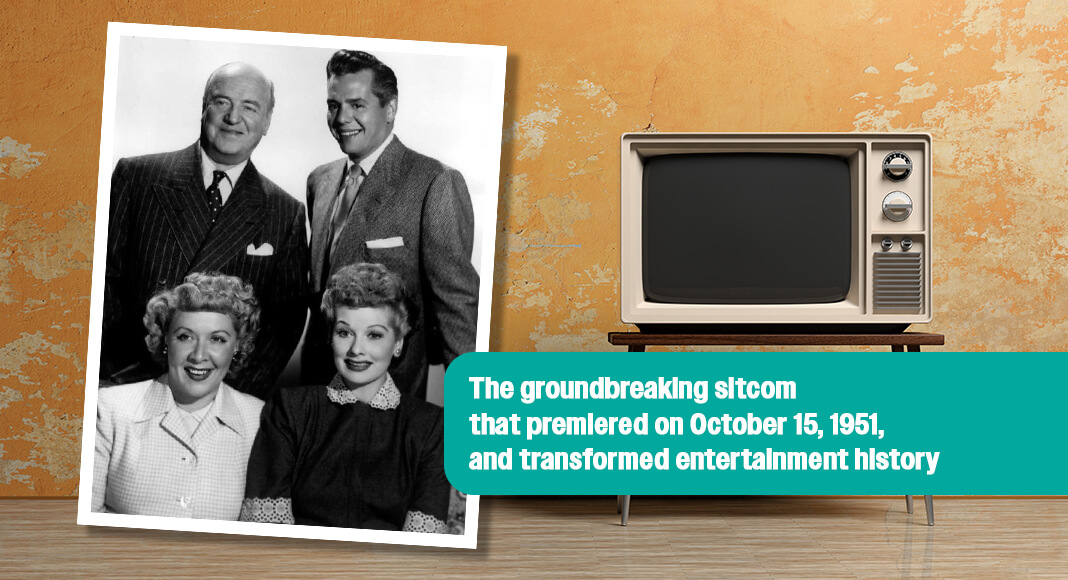
On October 15, 1951, CBS broadcast the first episode of I Love Lucy, marking what The Vintage News calls “the birth of modern television comedy.” The show introduced audiences to Lucille Ball as Lucy Ricardo and Desi Arnaz as Ricky Ricardo—an onscreen couple whose chemistry, timing, and charm would make television history. According to the Television Academy, the series quickly became “a cultural phenomenon,” drawing millions of viewers each week and setting the standard for sitcoms that followed.
The debut episode, titled “The Girls Want to Go to a Nightclub,” was the first full-length broadcast after a pilot was filmed earlier that year. As Wikipedia notes, the story follows Lucy and her best friend Ethel’s plans for a night out, which conflict with their husbands’ own evening activities. The episode aired on a Monday at 9:00 p.m. Eastern Time and immediately captured national attention.
Critics and television historians often cite I Love Lucy as one of the first shows to use a multi-camera setup filmed before a live studio audience, a method that would become the blueprint for sitcom production for decades. As The Vintage News reports, Desi Arnaz and cinematographer Karl Freund developed this technique to achieve “both high-quality visuals and real-time audience reactions.” The approach allowed the show to retain the spontaneity of live performance while maintaining the polished look of film.




By the end of its first season, I Love Lucy reached nearly eleven million American households, according to EBSCO Research Starters. The show remained in the top three of Nielsen’s ratings throughout its six-season run—a record rarely matched in television history. When it ended in 1957, it was still the number one program in the country.
Lucille Ball’s portrayal of Lucy Ricardo was widely praised for her fearless physical comedy and impeccable timing. The Washington Post later described Ball as “a pioneer of television comedy whose daring performance style redefined what women could do in entertainment.” Her co-star and husband, Desi Arnaz, not only acted but also oversaw production through their company, Desilu Productions—an enterprise that would later produce Star Trek and Mission: Impossible.
The series was also groundbreaking in its portrayal of marriage and family. CBS initially resisted showing a real-life interracial couple, but Ball and Arnaz insisted on working together. As Biography.com notes, “Lucille Ball refused to star without her husband,” a stance that ultimately convinced the network after the success of their live stage tour. Later, Ball’s real-life pregnancy was written into the show’s storyline—a daring move at a time when the word “pregnant” was considered too controversial for television.
More than seven decades later, I Love Lucy remains one of television’s most enduring achievements. It continues to air in syndication worldwide, has been colorized and restored for new audiences, and is a staple in television history courses. Encyclopedia Britannica describes it as “a timeless example of comedy built on human relationships and the universality of laughter.”
To revisit the moment it all began, viewers can watch the first episode, “The Girls Want to Go to a Nightclub,” which initially aired on October 15, 1951. Video available at the beginning of this story.
Sources: The Vintage News, Television Academy, Wikipedia, EBSCO Research Starters, The Washington Post, Biography.com, Encyclopedia Britannica.