















Texas Border Business




By Roberto Hugo González / Texas Border Business
The Council for South Texas Economic Progress (COSTEP) welcomed members of Cluster Automotriz de San Luis Potosí, regional economic development organizations, and industry partners to a networking and discussion forum on June 11, 2026, at the Cambria Hotel in McAllen. The event highlighted industrial growth, cross-border supply chain integration, and investment opportunities across the Rio South Texas Region and Northern Mexico.
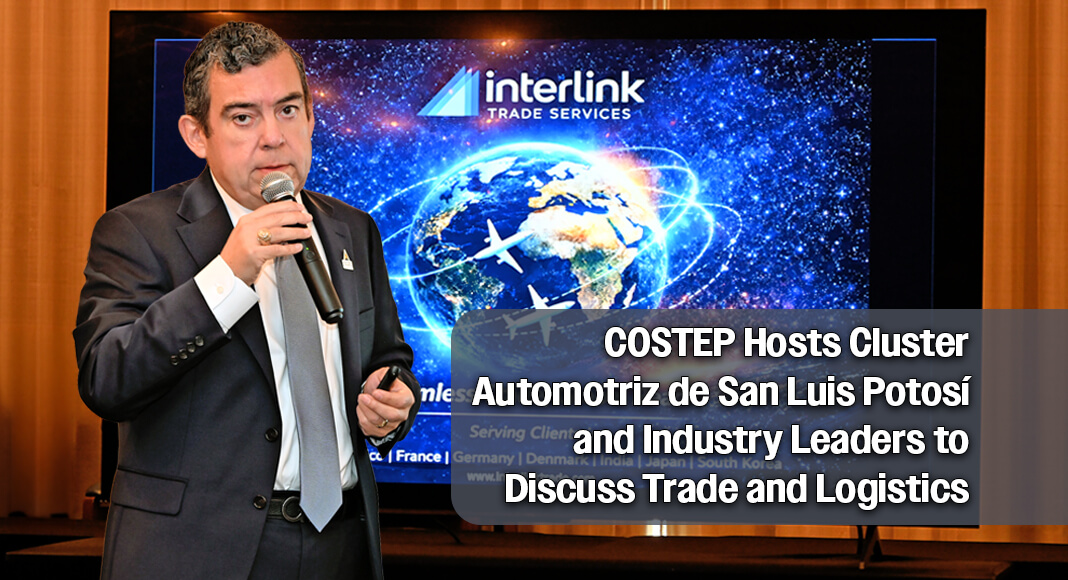
The program featured presentations from COSTEP and Cluster Automotriz de San Luis Potosí, a regional stakeholder panel, and a keynote presentation by Jorge Torres, president of Interlink Trade Services and a U.S. customs broker, who provided an update on the upcoming review of the United States-Mexico-Canada Agreement (USMCA).



Addressing representatives from one of Mexico’s leading automotive clusters, Torres described the USMCA review as one of the most significant trade issues facing North America today. He emphasized that despite widespread misconceptions, the agreement will remain in force through June 30, 2036, regardless of the outcome of the 2026 review process.
“The treaty remains in effect until 2036,” Torres said, noting that the review stems from the agreement’s six-year sunset clause. Mexico and Canada have already submitted notifications supporting a 16-year extension, while the United States has yet to do so. Although the goal is to extend the agreement this year, Torres said current indications suggest negotiations could continue beyond the formal review period through annual discussions until a consensus is reached.
Automotive manufacturing and supply chains were a central focus of the presentation. Torres outlined proposals under consideration that could increase vehicle regional value content requirements from 75 percent to 82 percent and establish a minimum U.S.-content threshold. Such changes, he said, would require automakers and suppliers to reevaluate sourcing strategies and production footprints throughout North America.
Torres also addressed Section 232 tariffs, noting that USMCA-compliant auto parts currently avoid the 25 percent tariff but warning that trade measures and non-tariff barriers will remain key issues in future negotiations. He said maintaining North American competitiveness will require continued attention to tariff policy, rules of origin, and supply chain resilience.
Looking ahead, Torres encouraged manufacturers and suppliers to evaluate opportunities for expansion within the USMCA region, particularly in locations that offer strong logistics advantages. He pointed to the Rio South Texas Region’s strategic position along the U.S.-Mexico border, extensive transportation infrastructure, workforce development initiatives, and available industrial sites as assets that support manufacturing, assembly, and integrated automotive supply chains.
The meeting provided a valuable platform for business leaders, economic development organizations, and automotive industry representatives from both sides of the border to explore opportunities for collaboration and discuss the evolving trade landscape. The visit by Cluster Automotriz de San Luis Potosí further strengthened binational relations and accentuated the growing role of the Rio South Texas Region in North America’s automotive and manufacturing supply chain.