
















Texas Border Business




By Roberto Hugo González / Texas Border Business
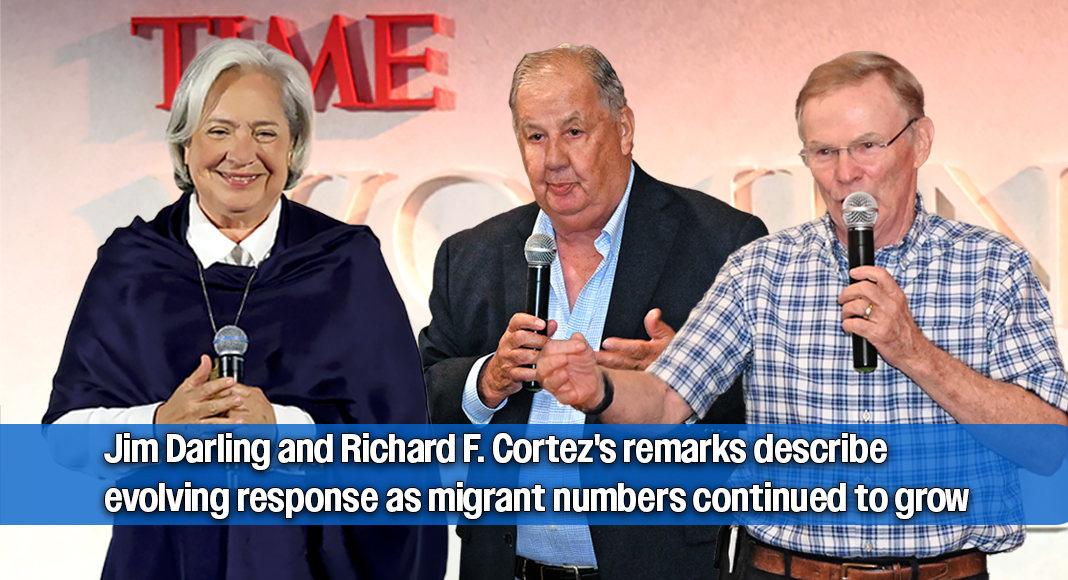
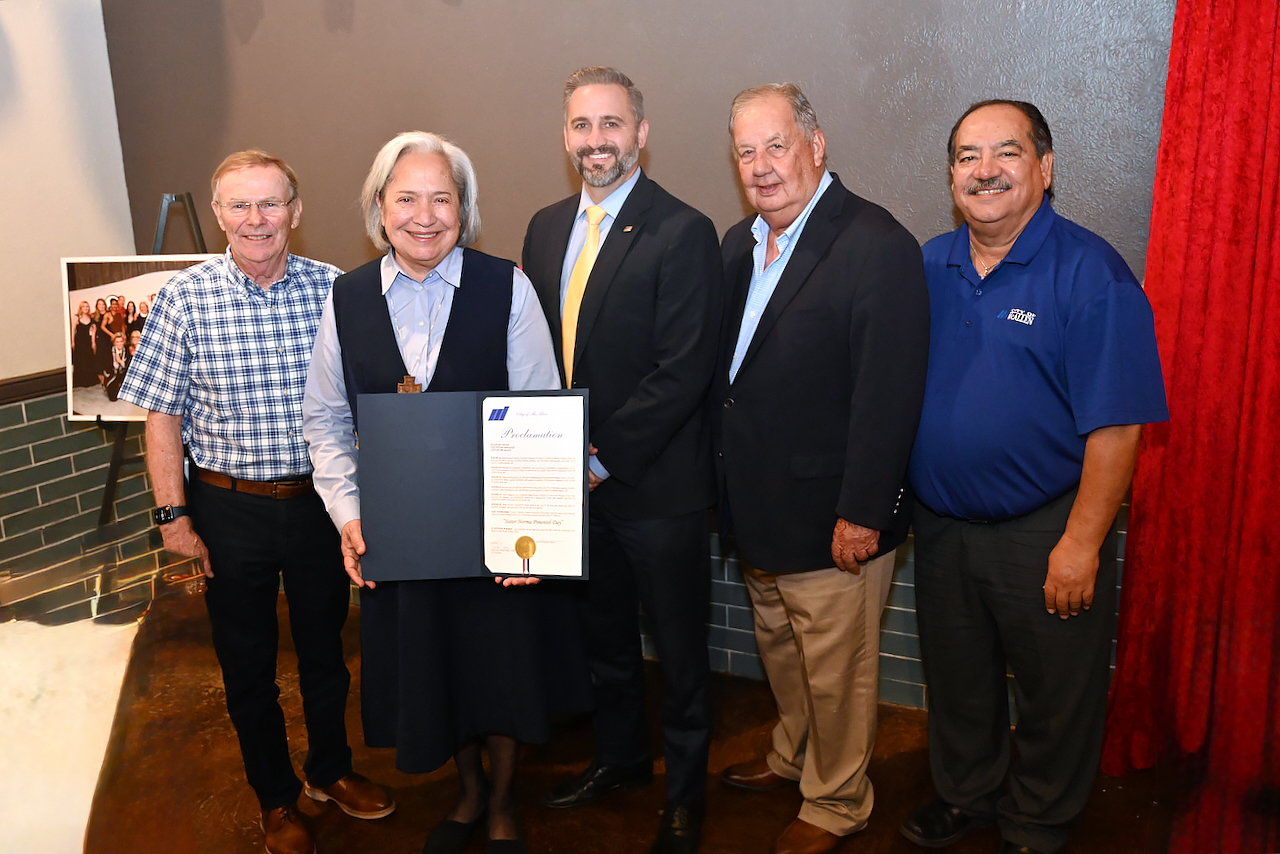
McALLEN, Texas – Remarks by former McAllen Mayor Jim Darling and Hidalgo County Judge Richard F. Cortez were delivered during a celebratory luncheon at Koko’s Mexican Restaurant honoring Sister Norma Pimentel following her recognition as one of TIME magazine’s 2026 Women of the Year.
Cortez described the conditions in the Rio Grande Valley when large numbers of migrants arrived without basic resources. “We had all those immigrants coming here in the thousands, some tired, hungry, no food, no shelter,” he said. He noted that Pimentel established a facility at Sacred Heart to assist migrants, adding that she was “totally dedicated to serving those people.”




He said the situation became more complex during the COVID-19 pandemic, when some migrants arrived infected. “For her to come up right away and want to test them… things that our government wasn’t doing,” Cortez said, referring to local efforts to identify and respond to health concerns.
Cortez also described coordination among local officials and community members. “What defines a community is what a community does for one another,” he said, adding that the response involved multiple sectors working together to address immediate needs.
Darling recounted the initial response when migrants were dropped off at a McAllen bus station. “We decided to keep it open… We thought it would all be over the next day, but it wasn’t,” he said. As the situation continued, he said the effort moved to a church facility where additional support was organized.
He described the experience as ongoing and evolving, noting that early expectations did not match the scale of the situation. Darling also referenced interactions with local, state, and federal officials during visits to the border area, where he observed operational differences.
Both officials highlighted the role of community response during the migrant influx and the pandemic. Their remarks focused on the actions taken in McAllen and the Rio Grande Valley to address humanitarian needs as they emerged.
See related stories: