









Home Blog Page 1118

Vantage Bank Forth Worth Corporate Office Expansion

Vantage Bank will be renovating the 4th floor of Two Museum Place to be occupied by the company’s Fort Worth-based C-Suite executives, including CEO Jeff Sinnott and Vice Chairman of the Board, Rafa Garza, as well as the bank’s Treasury Management and Human Resources departments. Image Sources:  https://www.vantage.bank/about/board-leadership; Bgd for illustration purposes
Vantage Bank will be renovating the 4th floor of Two Museum Place to be occupied by the company’s Fort Worth-based C-Suite executives, including CEO Jeff Sinnott and Vice Chairman of the Board, Rafa Garza, as well as the bank’s Treasury Management and Human Resources departments. Image Sources:  https://www.vantage.bank/about/board-leadership; Bgd for illustration purposes

Texas Border Business

FORT WORTH, Texas – Now that Fort Worth is the fastest-growing market for Texas-based Vantage Bank, the company is focused on continuing to expand its presence in the North Texas area. As part of that plan, today, Vantage Bank announced the relocation of its Fort Worth executive offices to Two Museum Place, a high-profile office development in the heart of the museum district.  

Vantage Bank will be renovating the 4th floor of Two Museum Place to be occupied by the company’s Fort Worth-based C-Suite executives, including CEO Jeff Sinnott and Vice Chairman of the Board, Rafa Garza, as well as the bank’s Treasury Management and Human Resources departments.  The long-term vision is to expand within the building, adding a branch, offices, and meeting rooms.

The move signifies the bank’s growing investment in and commitment to the Fort Worth businesses it serves.

“We have a strong executive presence here in the Fort Worth area and have been looking for a location where we can continue to grow and enhance the services that we offer to our expanding customer base here in North Texas,” said Sinnott. “This office will be unlike anything we have done before, utilizing a modern, flexible space concept that offers our teams work area options.  It will serve as a model for future renovations at other Vantage Bank offices across the state,” added Sinnott. 

Renovations and relocation are expected to be completed in about a year. 

About Vantage Bank 

Vantage Bank expanded to Fort Worth in 2019. The bank, founded in 1923, is a family-owned community-based financial institution headquartered in San Antonio, with deep roots in the border regions of the state. Vantage is focused on providing specialized banking services to small and medium-sized commercial businesses as well as consumer and international customers who live and work in the communities we serve. The Bank has full-service banking centers in the Rio Grande Valley, San Antonio, Laredo, El Paso, Fort Worth, Hondo, and Refugio. Vantage Bank prides itself on its culture and commitment to helping customers make financial victories a reality.   Find out more about Vantage Bank at https://www.vantage.bank/.

RGV Agents Seize Over $164K in Marijuana

Rio Grande Valley Sector (RGV) Border Patrol agents seized over 200 pounds of marijuana in two separate events within five hours. USCBP Image for illustration purposes

Texas Border Business

EDINBURG, Texas – Rio Grande Valley Sector (RGV) Border Patrol agents seized over 200 pounds of marijuana in two separate events within five hours.

On September 5, Rio Grande City Border Patrol Station agents assigned to Bike Patrol observed multiple subjects carrying bundles away from the Rio Grande in Escobares. Additional agents responded and interdicted just as the smugglers attempted to load the narcotics into an awaiting Chevrolet Tahoe. The Tahoe departed the area as the smugglers abandoned the bundles and absconded back toward the river. Agents seized three bundles of marijuana weighing 115 pounds and valued at 92,000 USD.

Just after midnight the following day, McAllen Border Patrol Station agents observed a group of ten subjects walking away from the Rio Grande south of Cuevitas. Two of the individuals were carrying bundles of marijuana. Responding agents arrested six migrants from Mexico and Romania and seized two bundles of marijuana. The marijuana weighed 90 pounds and is valued at 72,000 USD. One of the Mexican nationals, along with the narcotics, was turned over to the Texas Department of Public Safety to face state charges.

Smugglers Continue to Endanger Migrants

Rio Grande Valley Sector (RGV) Border Patrol agents made 24 arrests from three migrant smuggling events. USCBP Image for illustration purposes

Texas Border Business

EDINBURG, Texas – Rio Grande Valley Sector (RGV) Border Patrol agents made 24 arrests from three migrant smuggling events.

On September 3, a McAllen Border Patrol Station (MSC) camera operator observed a Ford F250 travelling north from the Rio Grande at a high rate of speed. A Texas Department of Public Safety (DPS) trooper spotted the vehicle and attempted to initiate a vehicle stop, but the driver failed to yield.  The vehicle led troopers on a vehicle pursuit that ended near a canal in Alton. The vehicle came to a stop and approximately 20 subjects bailed out. Agents and Mission Police Department officers responded and arrested seven migrants from Mexico and China. The driver was not located.

The following day, MCS agents conducted a vehicle stop on a Jeep in Sullivan City. The U.S. driver was arrested for smuggling five migrants from Mexico, El Salvador, and Dominican Republic.

On September 5, RGV agents were led on a vehicle pursuit with a Chevrolet Tahoe near Linn. The vehicle came to stop off the road where the occupants fled. Agents with the assistance of DPS and a Texas Game Warden K9 team, apprehended ten migrants from Mexico and Central America. The driver was not located.

Border Patrol processed all subjects accordingly.

People Hidden Inside A Confined Compartment

 Laredo Sector Border Patrol agents assigned to the I-35 checkpoint find several people hidden inside a trailer compartment during a failed human smuggling attempt. USCBP Image for illustration purposes
Laredo Sector Border Patrol agents assigned to the I-35 checkpoint find several people hidden inside a trailer compartment during a failed human smuggling attempt. USCBP Image for illustration purposes

Texas Border Business

LAREDO, Texas – Laredo Sector Border Patrol agents assigned to the I-35 checkpoint find several people hidden inside a trailer compartment during a failed human smuggling attempt.

 On September 3, an SUV hauling a trailer approached the primary inspection lane, when agents who were working at primary conducted an immigration inspection of the driver and passenger. Moments later, a Service canine alerted agents to the SUV, subsequently, the driver was referred to secondary inspection. 

While agents conducted a secondary inspection, a Service canine continued to alert agents.  Agents discovered people hiding inside a confined compartment. A total of 19 undocumented individuals were apprehended by Border Patrol agents.

All subjects, including the driver and passenger, were taken into custody to be processed accordingly. The undocumented individuals were from the countries of Mexico and Guatemala. 

U.S. Customs and Border Protection welcomes assistance from the community. Citizens are encouraged to report suspicious activity to the U.S. Border Patrol while remaining anonymous by calling 1-800-343-1994.

$11.9 Million in Meth Seized in Del Rio 

Packages containing 1,337 pounds of methamphetamine seized by CBP officers at Del Rio Port of Entry. USCBP Image

Texas Border Business

DEL RIO, Texas—In the largest methamphetamine seizure in port history, U.S. Customs and Border Protection (CBP), Office of Field Operations (OFO) officers at Del Rio Port of Entry seized methamphetamine valued at $11.9 million within a tractor trailer.

“This is a massive seizure of methamphetamine, it is largest in the history of the port and it reflects the steadfast commitment of our officers to the CBP border security mission and their effective application of technology, training and experience,” said Port Director Liliana Flores, Del Rio Port of Entry.

The seizure occurred on Monday, Sept. 5, 2022, at the Del Rio International Bridge when a CBP officer referred a 2016 Kenworth tractor hauling a shipment of diesel tank reservoir containers for a secondary inspection. The tractor trailer was referred for a canine and non-intrusive inspection system examination, resulting in the discovery of 320 packages containing 1,337 pounds of alleged methamphetamine within the shipment. The narcotics had an estimated street value of $11.9 million.

CBP seized the narcotics. U.S. Immigration and Customs Enforcement-Homeland Security Investigations (ICE-HSI) special agents are investigating the seizure.

Brownsville Native Returns to RGV

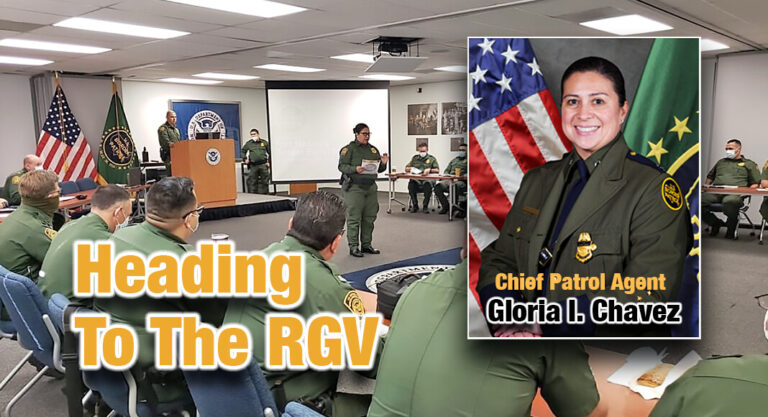
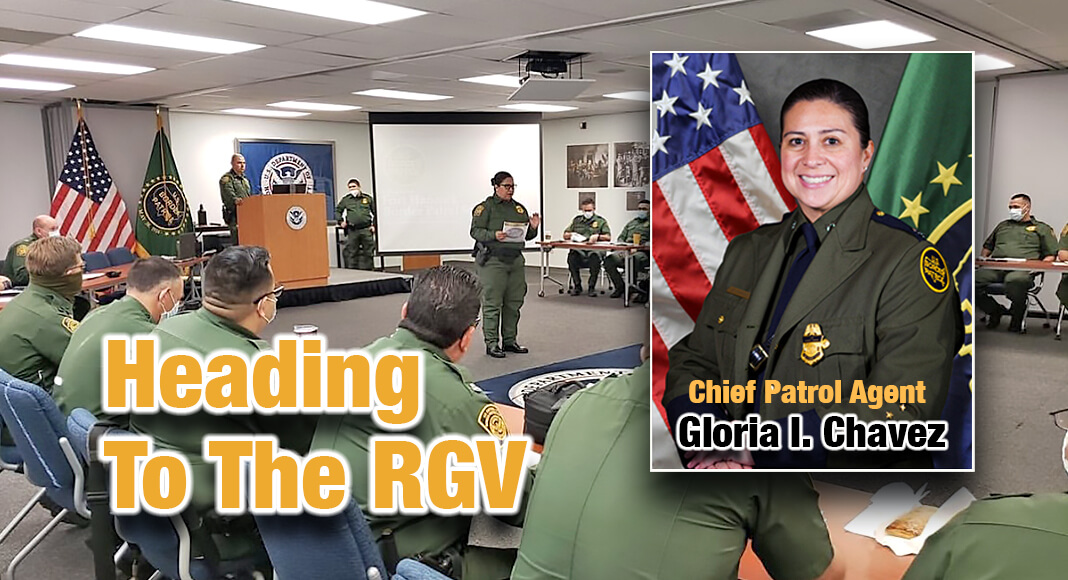
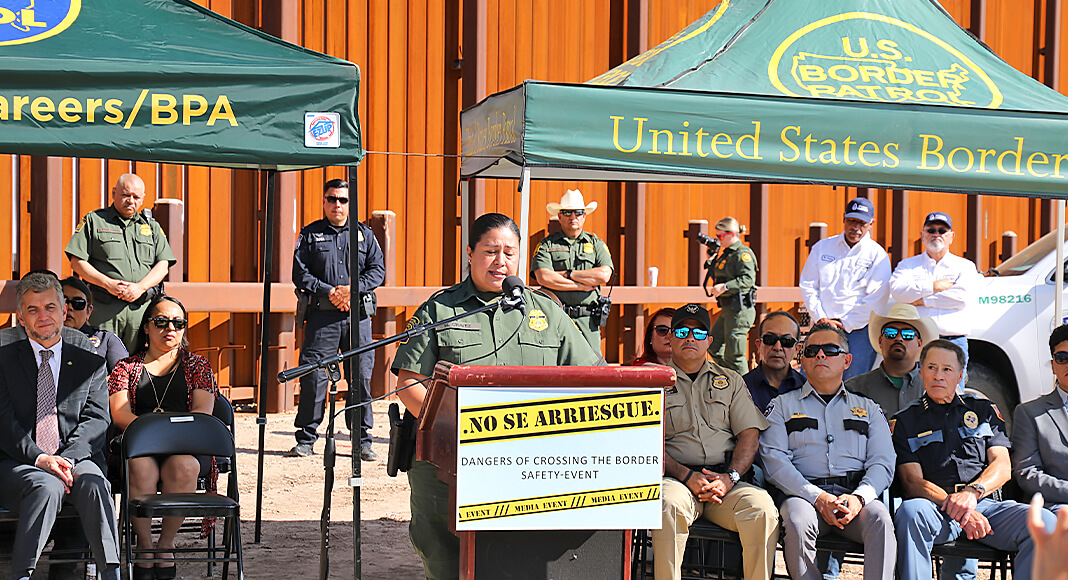
Chief Chavez officially assumes command of the RGV Sector on October 9, 2022. She will have direct oversight of the strategy and tactical operations of nine stations responsible for securing 277 river miles and 316 coastal miles in an area of responsibility spanning 34 counties. USCBP Image

Texas Border Business

EDINBURG, Texas – U.S. Border Patrol Chief Raul L. Ortiz recently announced the selection of Gloria I. Chavez as the new Chief Patrol Agent of the Rio Grande Valley Sector.

Throughout her career, Chief Chavez has held multiple executive leadership positions. Most recently, she served as the Chief Patrol Agent of El Paso Sector. She has held key leadership roles on both the Southwest and Northern borders to include Chief Patrol Agent of the El Centro and Spokane Sectors as well as multiple assignments at U.S. Border Patrol Headquarters.

“Being the U.S. Border Patrol Chief of the Rio Grande Valley has always been a goal of mine with the added value of finally being home after many years away. I have spent my entire career strengthening the organization from within and expanding transparency while building valuable partnerships with stakeholders in different regions. The experience I have gained through the years on the Northern and Southern border has allowed me to grow as a leader to work through the everyday challenges that exists in our complex border environments,” said Chief Patrol Agent Gloria I.  Chavez. “I am now looking forward to joining the men and women of the RGV Sector and serving our communities with immense dedication, confidence, and pride.” 

Chief Chavez has 27 years of border security and law-enforcement experience. Her experience and knowledge will prove vital as RGV continues to be among the busiest sectors along the southwest border.

“Having had command of three previous U.S. Border Patrol Sectors and two tours of duty at our Headquarters in Washington DC has strengthened my experience and knowledge and made me wiser to understand the complexities involved in managing border security operations and leading personnel of a Border Patrol Sector this size.” 

A native of Brownsville, Chief Chavez graduated from Gladys Porter High School and attended Texas Southmost College before moving to Corpus Christi to begin her law enforcement career with the Nueces County Sheriff’s Office and then the Taft Police Department. USCBP Image

A native of Brownsville, Chief Chavez graduated from Gladys Porter High School and attended Texas Southmost College before moving to Corpus Christi to begin her law enforcement career with the Nueces County Sheriff’s Office and then the Taft Police Department. Chief Chavez began her Border Patrol career at Imperial Beach Station in the San Diego Sector. She continued her secondary education and completed her bachelor’s degree in Criminal Justice Administration. She achieved her master’s degree in Homeland Security Studies at the Naval Postgraduate School in 2015.

“My family is so very happy to know that soon I will be back in their daily lives as I had been away for so long. My parents, as any other parent would be of their children, are so very proud of my achievements in life.”

As Chief Chavez prepares for the next chapter in her career, she attributes her success to the dedicated work of the men and women of the El Paso Sector. Chief Chavez also expressed gratitude for the community support she received during her tenure as the El Paso Chief Patrol Agent. She arrived to the El Paso Sector during the height of the migrant surge in July 2019 as the Interim Chief then subsequently becoming the permanent Chief in March 2020. Chief Chavez immediately began to focus her efforts on increasing lines of communication and transparency with federal, state, local and international stakeholders.

“It is with mixed emotion that I depart this border community. I am grateful to the El Paso City and County officials, congressional representatives, non-governmental organizations, and human rights coalitions for their warm acceptance and cooperation. I am also thankful for the achievements accomplished during my tenure, it could not have been done without my phenomenal El Paso Border Patrol Agents and professional staff, their dedicated service to our great nation and the support they have given me, is truly amazing,” said Chief Chavez.

Chief Chavez officially assumes command of the RGV Sector on October 9, 2022. She will have direct oversight of the strategy and tactical operations of nine stations responsible for securing 277 river miles and 316 coastal miles in an area of responsibility spanning 34 counties.

Wheels Fall Off of Cheese Smuggling Scheme

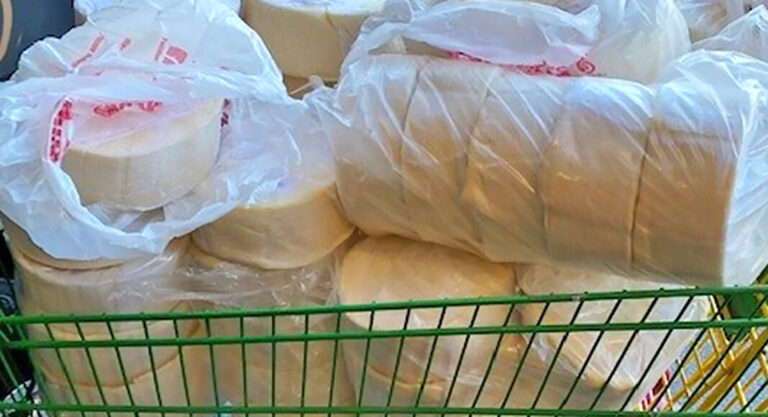
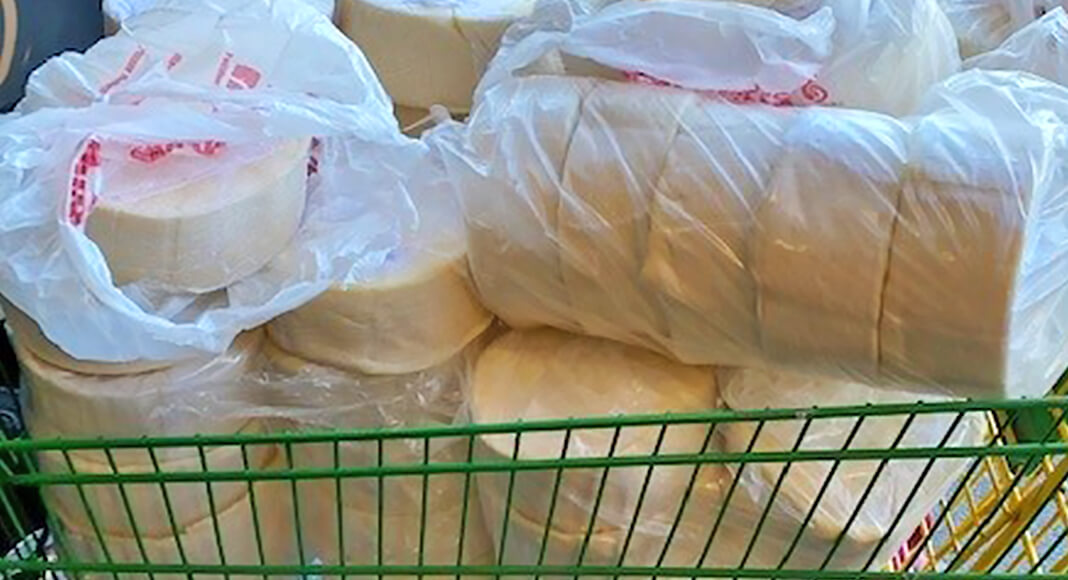
U.S. Customs and Border Protection officers working at the Paso Del Norte border crossing in downtown El Paso seized more than 100 pounds of undeclared cheese Sept. 6. USCBP Image

Texas Border Business

EL PASO, Texas – U.S. Customs and Border Protection officers working at the Paso Del Norte border crossing in downtown El Paso seized more than 100 pounds of undeclared cheese Sept. 6.

The incident began shortly before 7:00 a.m. when a 2011 GMC Yukon arrived from Mexico. The driver of the vehicle, a female U.S. citizen from Albuquerque, declared 10 wheels of cheese to the CBP officer. 

The CBP officer located the declared dairy product in the trunk area of the vehicle. As the officer continued the exam an additional 50 wheels of undeclared cheese were discovered hidden under blankets in the back row of the vehicle. Each cheese wheel weighed approximately one kilo.

The driver was assessed a $1,000 civil penalty and released. The contraband cheese was seized and destroyed pursuant to existing guidelines.

“Travelers can import cheese commensurate with personal consumption levels,” said CBP El Paso Port Director Ray Provencio. “A few wheels would generally be fine but not 60. It was undeclared and that amount would be a commercial quantity and additional reporting requirements would apply.”

Milk, cream, ice cream, butter and many cheeses are subject to quota restrictions administered by both CBP and the Department of Agriculture. All dairy products are subject to Department of Agriculture’s Animal and Plant Health Inspection Service (APHIS) requirements. They are also subject to Food and Drug Administration (FDA) requirements.

Milk and cream may not be imported without a permit from the FDA. The wrappers or cartons for these products must be printed with the country of origin. Finally, all commercial imports of food and beverage products require the Filing of Prior Notice with FDA, and foreign manufacturers and/or distributers of food products must register with the FDA before their goods may be admitted.

Partnership Expands Workforce Training & Development in Mexico

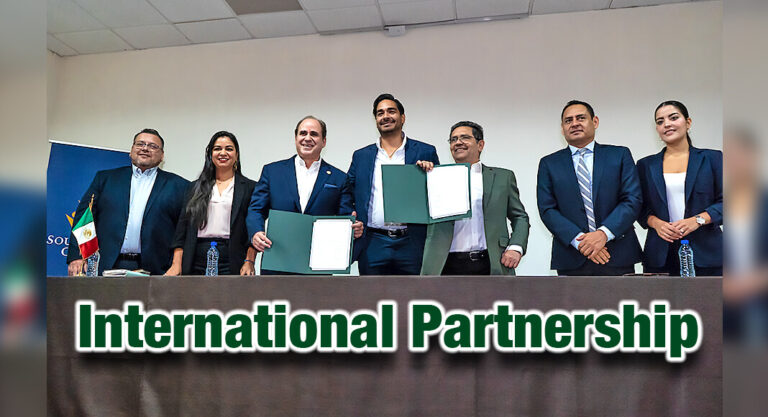
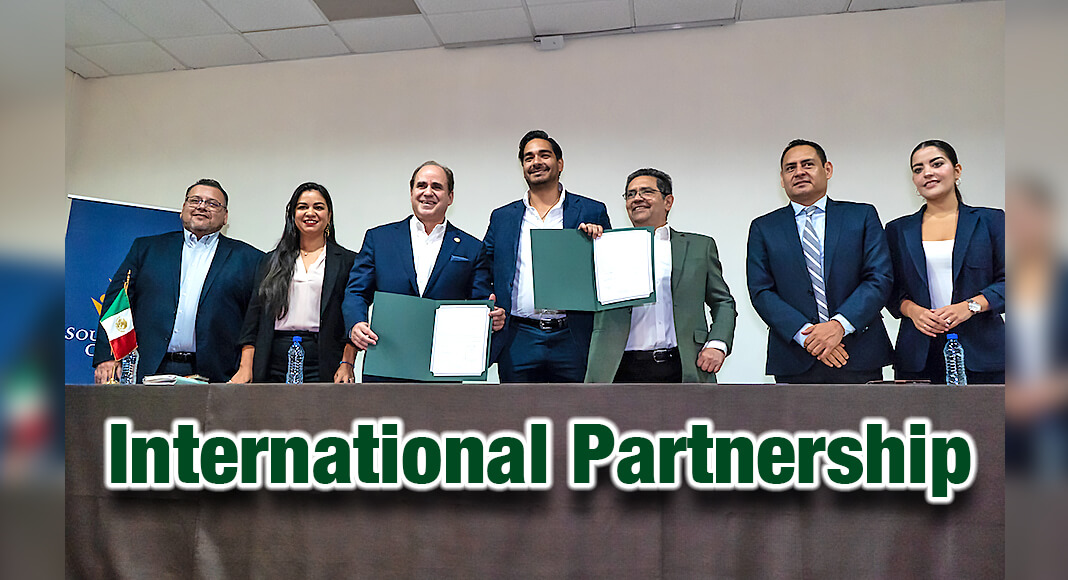
STC and IIES Universidad in Reynosa made their partnership official with a signing ceremony at the Reynosa college. This partnership will allow IIES to expand its workforce training opportunities to its region. STC Image

Texas Border Business

By Amanda Sotelo

South Texas College and the Instituto Internacional De Estudios Superiores (IIES) Universidad in Reynosa, Tamaulipas, Mexico recently entered a partnership that will allow students across the border to advance their studies through STC and transfer to American universities. 

In a recent signing ceremony, STC President Ricardo J. Solis said partnerships, like the ones being created and fostered internationally, have a major impact on both regions.

“We have seen how global competition impacts our region and now, in the wake of a global pandemic, we must implement innovative training with short-term certificates,” he said. “We must be adaptive to change and be open to forging partnerships that will advance the region on both sides of the border in the Rio Grande Valley and northern Tamaulipas.”

The signing and partnership between IIES and STC will allow the Reynosa college to expand workforce training opportunities to its region. 

IIES Universidad President Miguel Efren Tinoco Sanchez said this partnership is going to take the university’s three decades of workforce training to a new level. 

“We’ve been in workforce training for 30 years, and this partnership will advance our work,” said Sanchez. “This academic collaboration and workforce development initiative will allow our students to advance their studies and enter American universities. Our students will study in McAllen and professors from STC will come here to teach.” 

The university’s Director of School of Business and Master’s programs Myra Castillo said the partnership with STC is going to allow IIES to expand its course offerings. 

“By being in partnership with STC, we will be able to offer our students so many more courses and it will bring prestige to our university,” said Castillo. “We have great expectations, and our students will benefit from it – they’ll be able to have two diplomas or certificates, one from Mexico and one from an American institution of learning.”  

Through this partnership, STC will customize trainings for IIES and its students. Trainings will range from industry and career training to community and personal enrichment or English as a Second Language.

For IIES student Michel Tijerina, this is a game changer. 

“This will open many doors in respect to my dreams of owning a business,” said Tijerina, a second-year international business student at IIES. “I want to study English and get a better understanding of the international markets. This is an amazing opportunity.” 

Reynosa Mayor Carlos Victor Peña Ortiz, who studied at Harvard University in Boston, shares the same sentiment – this partnership is going to reshape the quality of life for his residents. 

“There are very few people, very few agencies with the willingness to come to our great city of Reynosa and effect change,” said Ortiz. “STC will bring opportunity to uplift a generation of students and the economic reality of our region.”

He addressed the students in the audience by adding, “While I challenge you to study in the United States, I also hope you will return to Reynosa, to do your part to improve your community. Be the grain of sand that can make a difference.”

For more information on the trainings offered by STC’s Continuing Education, Professional and Industry Training department or to learn more about its customized training for industry and educational institutions, visit southtexascollege.edu/cpit/.

Professor Turned Student Completes Mural

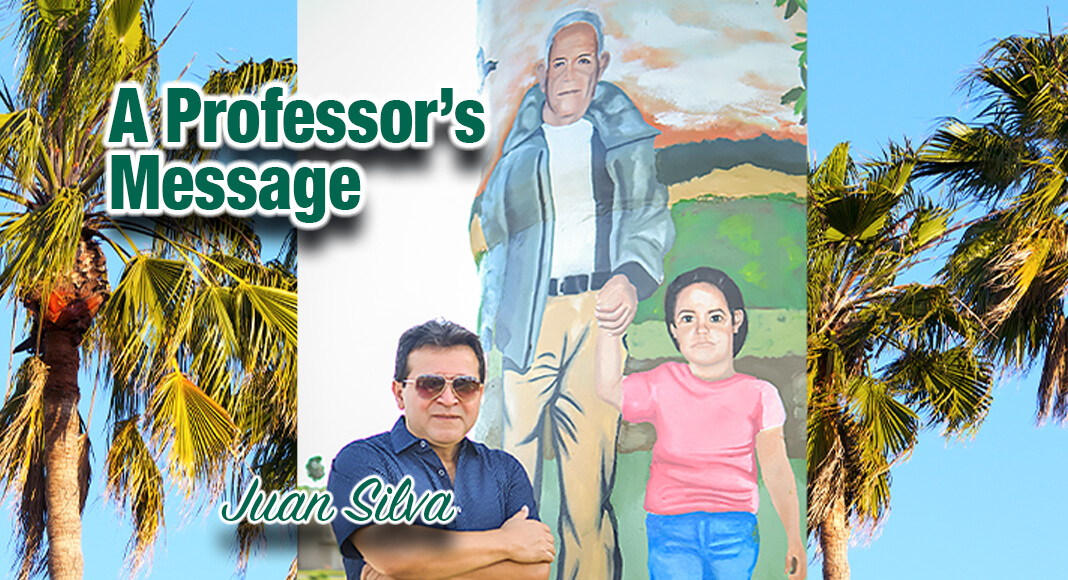
Spanish professor Juan Silva (above) created his mural Mudar on the corner of 23rd Street and Lark as part of the Keep McAllen Beautiful Irrigation Pipe Public Art Project. STC Image


Texas Border Business

By Joey Gomez

Motivated by the world changes in 2020 and inspired to find a creative outlet, South Texas College Spanish professor Juan Silva turned to art. 

With long hours spent indoors, Silva said he began looking up instructional videos on how to paint, but he lacked experience. 

“I started looking at videos for creative areas during the pandemic, but I still wasn’t sure what I was doing because I didn’t have any academic preparation,” Silva said. “I studied painting a lot until I had the chance to take a class last semester.” 

Silva who just started his 25th year as a Spanish professor at STC, became a student at the college.  

While taking his painting course he was encouraged by art faculty to submit a design for the Keep McAllen Beautiful Irrigation Pipe Public Art Project. 

Keep McAllen Beautiful is the local affiliate of Keep America Beautiful, a national public education organization dedicated to improving waste handling practices throughout America.

Since 2019, the local non-profit has established a program to give artists a chance for exposure through the painting of more than 200 irrigation pipes along the city’s hike and bike trails, which have been transformed into beautiful works of art.

Despite having little experience as a muralist, Silva said he was excited to learn that his proposed design was selected by the city, and he had an opportunity to create a mural at an irrigation pipe located at the corner of 23rd Street and Lark in McAllen. 

“It was so different from what I’m used to because I’m used to painting on a canvas with calm and relaxing music. It was totally different experience, but I accepted the challenge,” Silva said. “It was hard with the weather and the noise from traffic, but it was also a learning experience where I applied what I was learning in the classroom and through my research.”

Silva said the work entitled Mudar, or “Move,” in English, depicts several important characters including an old man, a young girl, passing birds and orange trees which were all inspired by the sense of community. 

He also incorporated a narrative element that speaks about the roots of the people and families in the region, he said. 

“The elderly person refers to those looking for opportunity and finding a place to call home in this life which leads to hope for the newer generation. The old man has made life better for the young person but little birds are always looking for a better place,” Silva said. “And finally, history tells us that the common orange, which represents our region, arrived from Spain. As you can see, the movement in the mural tells us everything about our community and our place in history.” 

Silva said he was grateful for professor Luis Corpus, who inspired him to pursue his passion for art, and who assisted him with preparations for the mural.  

“He (Corpus) was very supportive, not just about helping me learn how to paint, but also pushing us to participate in community projects like this this one. I think he was just as excited as I was about doing this mural,” he said. “He helped me with the process and gave me the steps to prepare.” 

As his new passion for art grows, Silva said he hopes to one day study abroad and connect the Valley with the rest of the world.   

“I want to continue doing things with art. I want to prepare more. I want I want to take more classes,” Silva said. “I want to take classes in Europe or South America and bring those ideas to the Valley.

For more information on STC’s Visual Arts Department visit www.southtexascollege.edu/academics/visual-arts/ for more information.  

One Day in History: “Alton School Bus Accident.” September 21, 1989

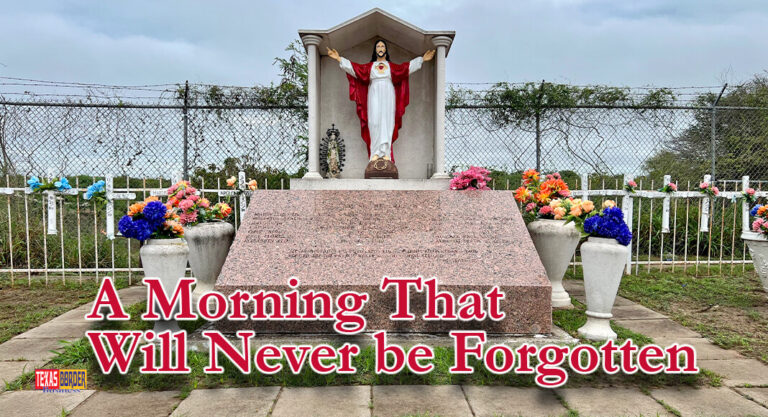
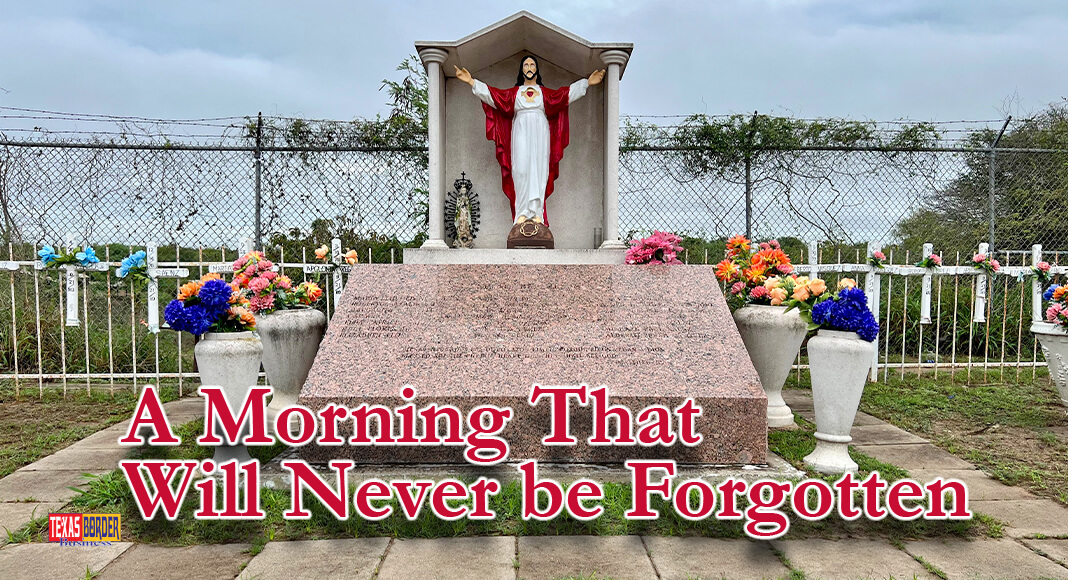
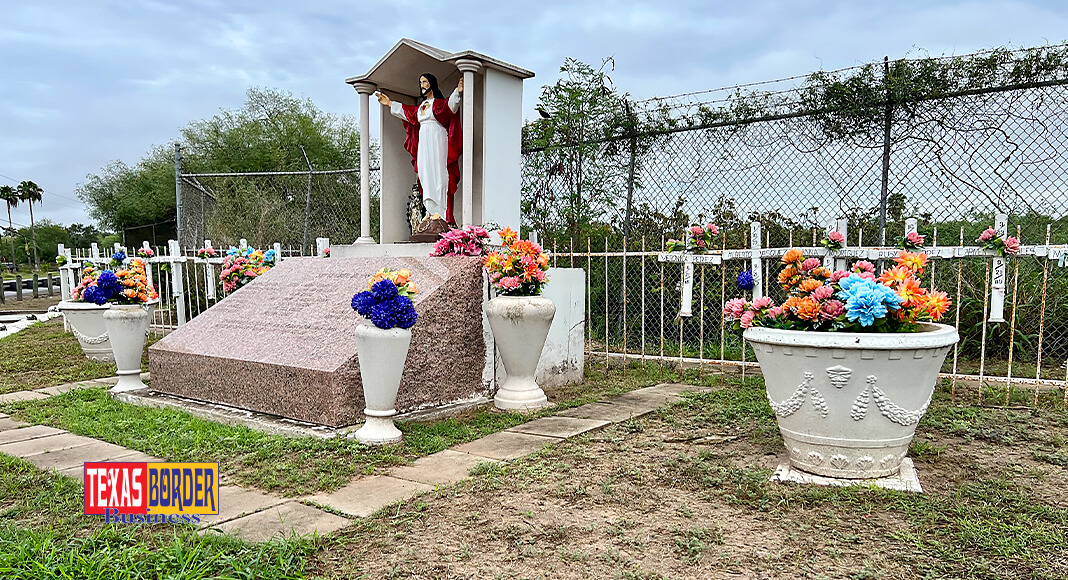
A spectacular memorial stands at the spot where the bus, filled with students plunged into the caliche pit on September 21, 1989. Image by Roberto Hugo Gonzalez

Texas Border Business

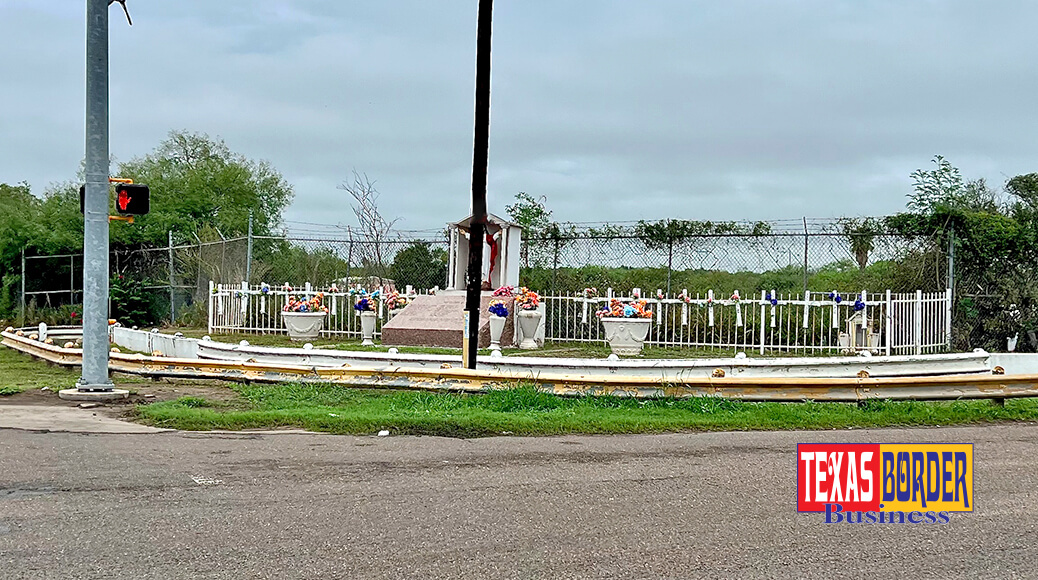
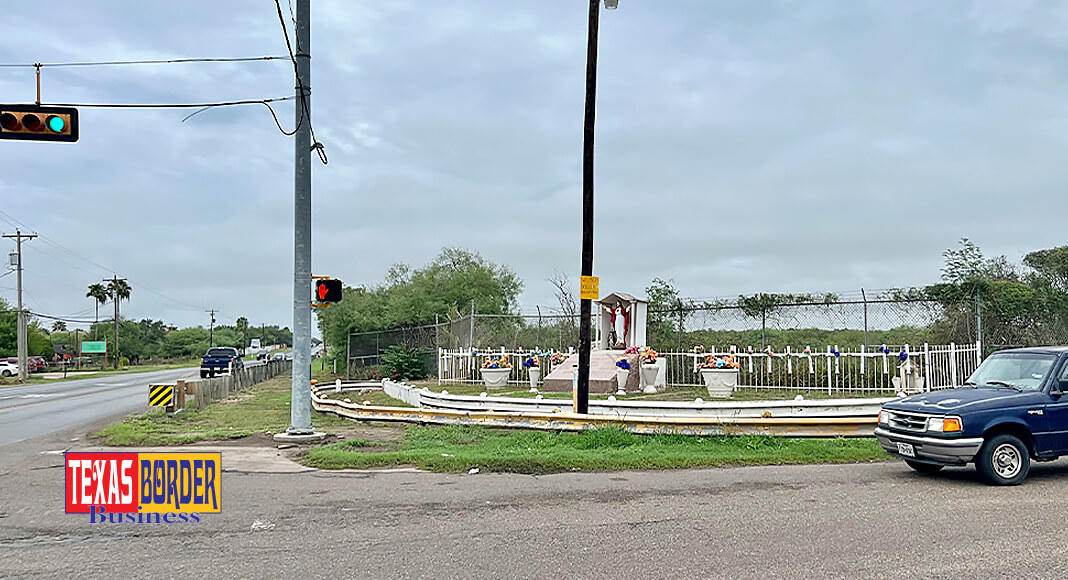
Around 7:34 A.M. on 9/21/1989, a Dr Pepper delivery truck, operated by the Valley Coca-Cola Bottling Company, and a Mission Consolidated Independent School District school bus collided along Farm to Market Road 676, also known as 5 Mile Road/Line and Mile 5 Road/Line, at Bryan Road.

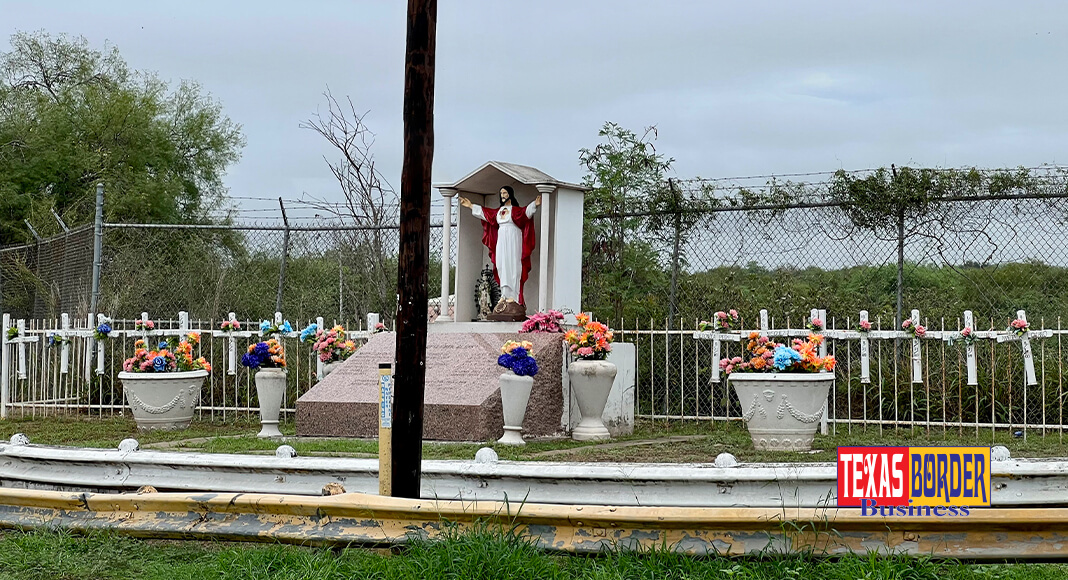
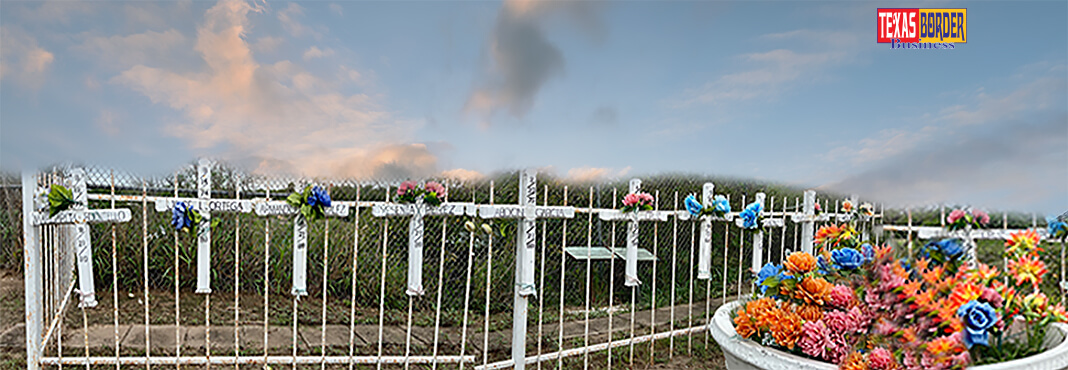
Crosses bearing the names of the victims of this tragic accident surround the memorial located at the intersection of 5 mile line and Bryan Road. Image by Roberto Hugo Gonzalez
Another view of the fateful intersection where the bus plunged into the caliche pit in 1989. Image by Roberto Hugo Gonzalez
A beautiful memorial has been has been standing at the site of the tragic bus accident in 1989. Image by Roberto Hugo Gonzalez
Colorful flowers adorn the memorial at the site of the tragic bus accident in 1989. Image by Roberto Hugo Gonzalez
Crosses Bearing the names of the victims of the tragic bus accident in 1989. Image by Roberto Hugo Gonzalez

The bus had just picked up its final student. There was no barrier that would have stopped the bus before it entered the caliche pit. The bus was built in 1977 and had a capacity of 84 seats. The truck was determined to have gone through a stop sign. 

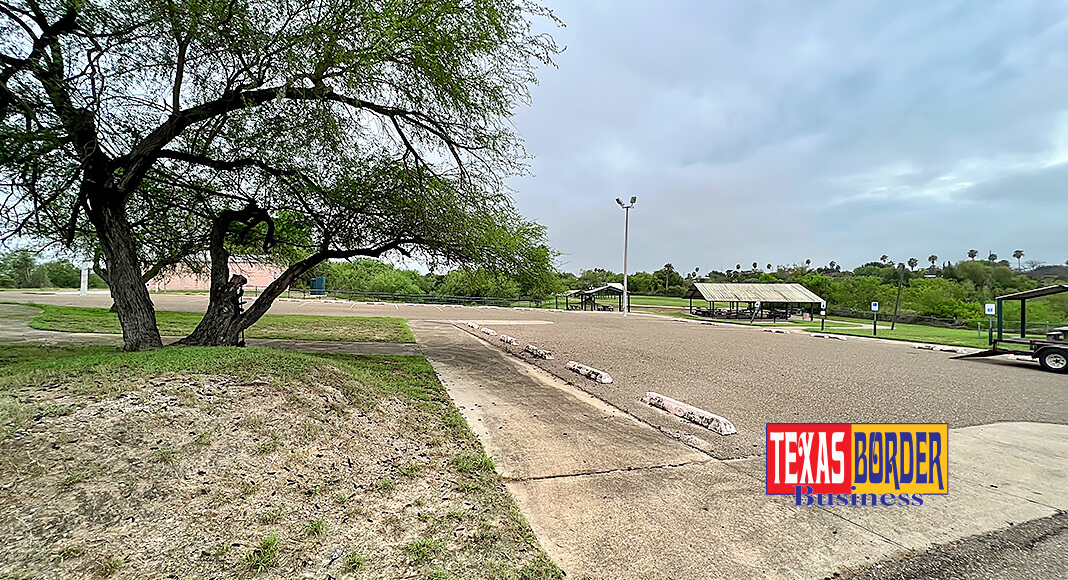
Video by Roberto Hugo Gonzalez depicting the park adjacent to the crash site.
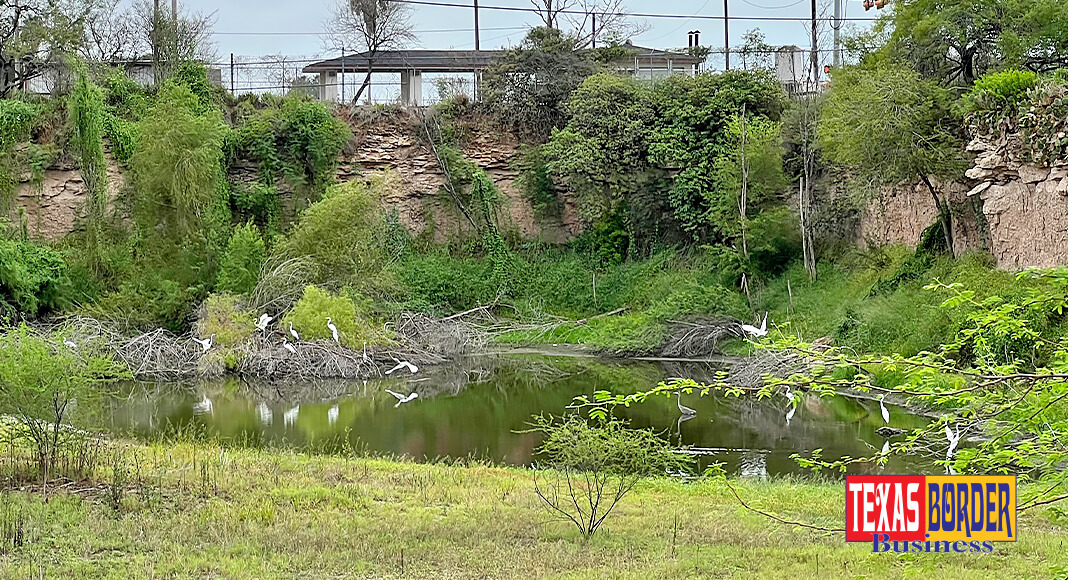
A group of Cranes enjoying a hot summer day in the actual pit where the bus accident occurred in 1989. Image by Roberto Hugo Gonzalez
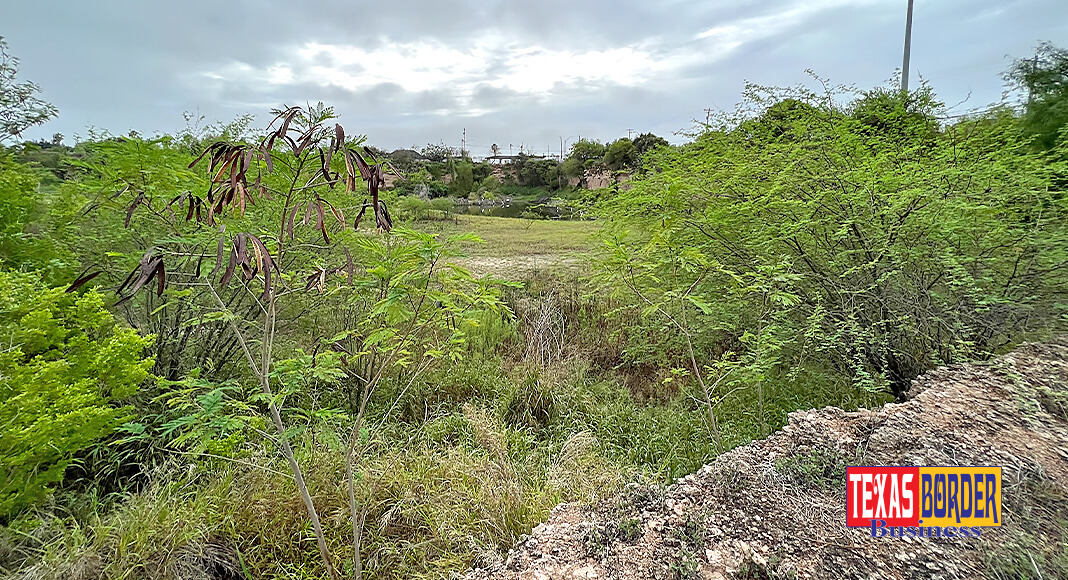
Another view of the park adjacent to the Crash site. Image by Roberto Hugo Gonzalez
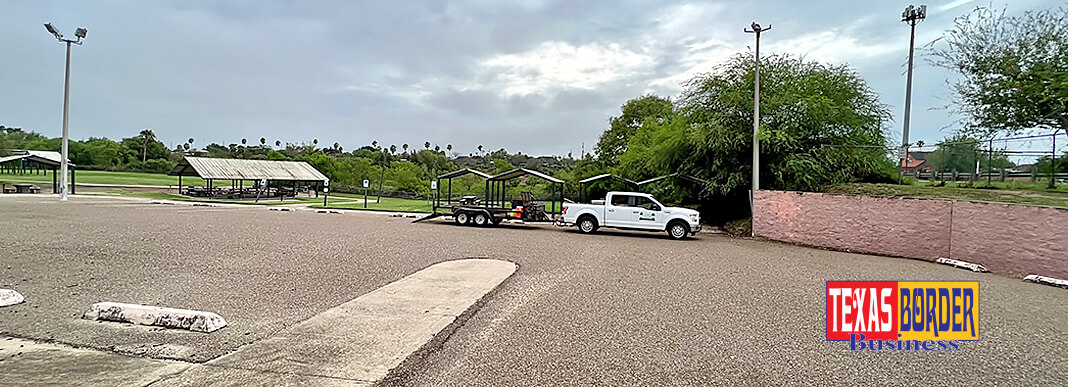
A very well-maintained park adjacent to the crash site. Image by Roberto Hugo Gonzalez

The students on board, ranging in age from 12 to 19,  attended Mission Junior High School and Mission High School in Mission, Texas, and were from the portion of Alton that had the lowest socioeconomic status.] The bus had 42 students in senior high school and 39 students in junior high school. 

A crew works at the park to see that it is properly maintained at all times. Image by Roberto Hugo Gonzalez

The bus fell into a caliche pit with about 10 feet (3.0 m) of water. Caliche pits in the area had filled with rainwater as time passed; there were no laws requiring owners of the pits to have them filled in after mining was finished. The bus filled with water within 30 to 60 seconds, resulting from openings in side windows, the front boarding door, and the windshield which had become dislodged. The students did not have an air pocket which would have given them time to determine how to escape.

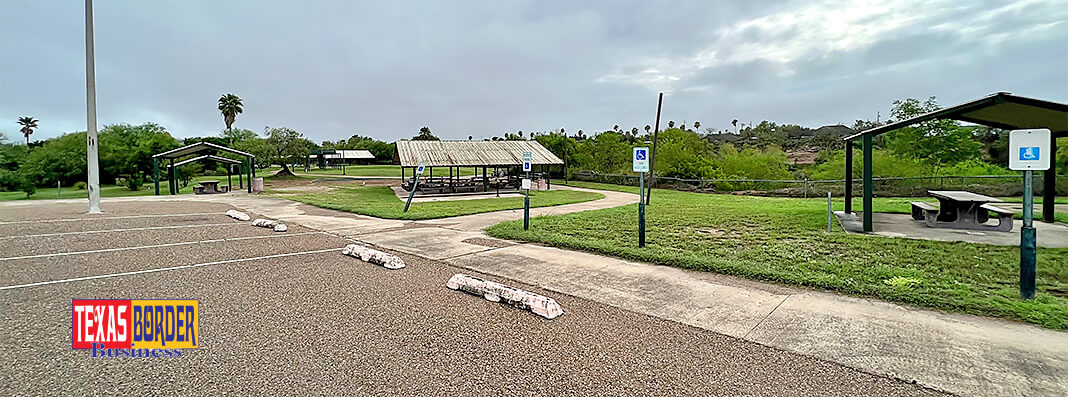
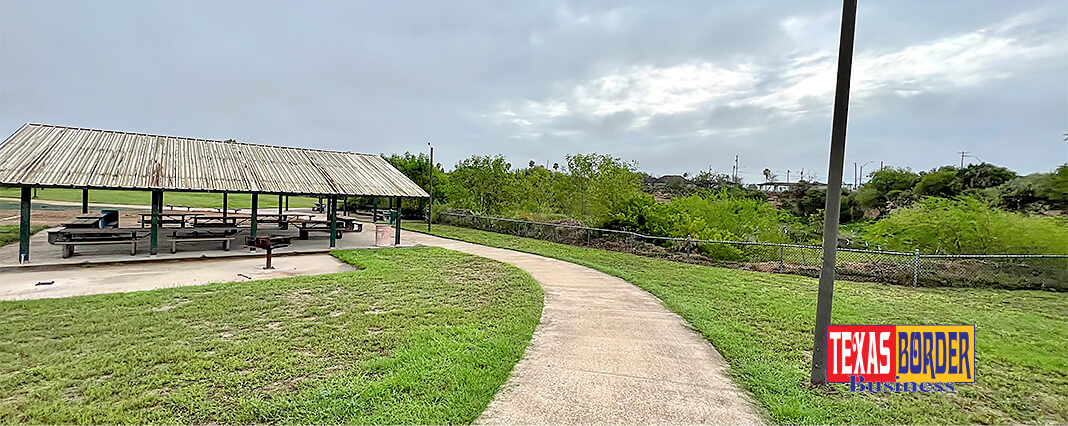
Shelters at the Park adjacent to the crash site. Image by Roberto Hugo Gonzalez

The lack of visibility in the caliche-filled water prevented students from seeing available exits. In addition, some students became trapped in the windows because of their large sizes, and multiple students attempted the same routes of egress at the same time. The NTSB named the small sizes of the exits as factors inhibiting escape. According to the NTSB, the available time was “inadequate time for 81 desperate students to escape through the available window openings and the rear emergency door that did not remain open before they were trapped underwater.” 

Another shelter at the Park adjacent to the crash site. Image by Roberto Hugo Gonzalez

Agents from the U.S. Border Patrol and 125 emergency vehicles from various agencies assisted in the rescue.  

Of the 81 students on board, 11 students sustained no injuries, 46 sustained minor injuries, 3 sustained serious injuries, and 21 died; all 21 deaths were due to drowning or due to causes related to being in the water.  19 died on September 21, and an additional two died later in the hospital from complications related to the asphyxia they had experienced,  with the final deceased victim dying on September 29.  Both the drivers of the truck and the bus survived the accident. 

None of the passengers experienced trauma-related injuries which would have prevented them from exiting the bus. Most of the deceased students were away from the exits, in the bus’s center.

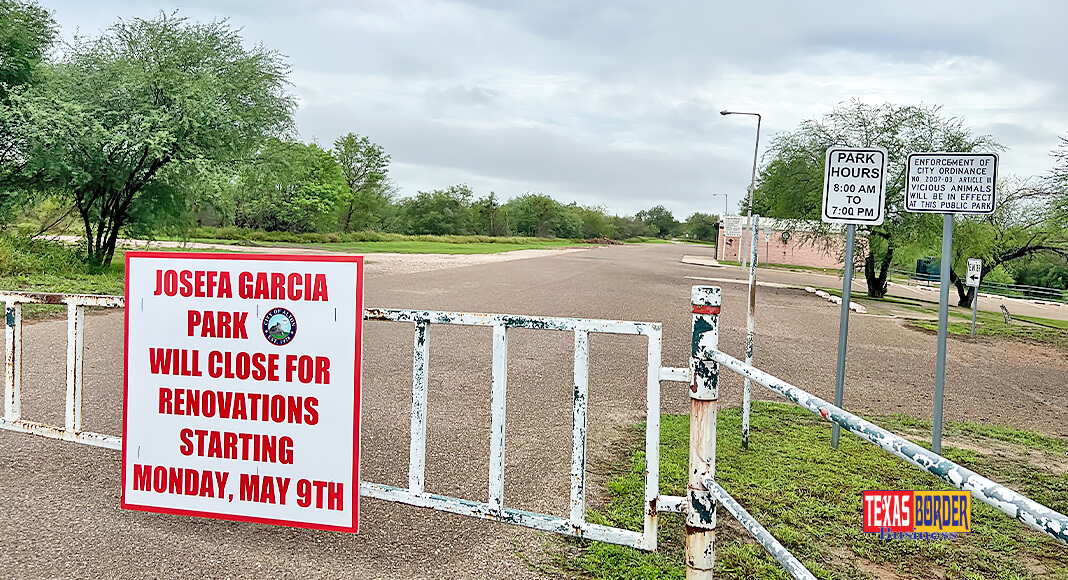
The park is currently under renovations. Image by Roberto Hugo Gonzalez

Source: Wikipedia, Text is available under the Creative Commons Attribution-ShareAlike License 3.0