






Texas Border Business

By Roberto Hugo González / Texas Border Business
A new wave of concern over the future of USMCA began after a Dec. 4 Reuters report stated that President Donald Trump “could decide next year to withdraw” from the agreement. Reuters attributed the information to a Politico interview in which U.S. Trade Representative Jamieson Greer said that “the reason why we built a review period into USMCA was in case we needed to revise it, review it, or exit it.” Greer also told Politico that the administration is considering splitting the deal into separate agreements with Mexico and Canada. This public confirmation from a senior trade official is what triggered renewed attention at the border and across North America.
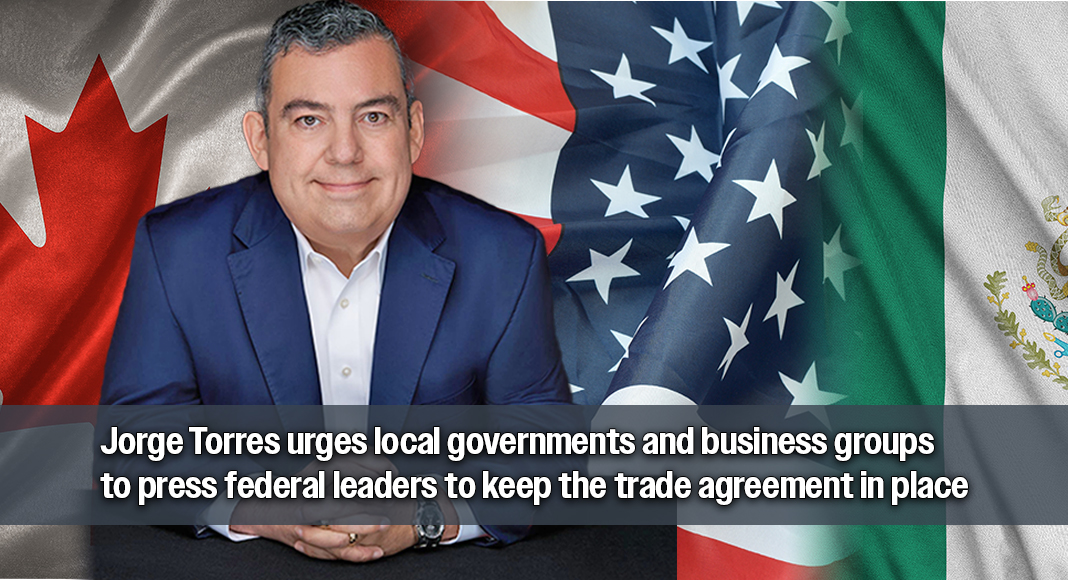
In an interview discussing the possibility of the United States withdrawing from the United States-Mexico-Canada Agreement (USMCA), Jorge Torres, President of Interlink Trade Services, said regional leaders must take an active role in defending the agreement. Torres explained that potential increases in duties and tariffs would eventually reduce commercial crossings and create “a substantial negative economic impact on the region, particularly for regional manufacturers (IMMEX companies), logistics companies, customs brokers, and transportation companies.” He emphasized that higher tariffs under Most Favored Nation rules and additional sector-specific duties could significantly raise costs for the cross-border industry.

Torres said local officials and business organizations should begin working directly with federal lawmakers. “We need our elected officials, city economic developments, and private sector organizations to push for its continuity,” he said, noting broad agreement in the region that USMCA should remain in place. He warned that if the U.S. ultimately withdraws, leaders will need to adopt “a different and more aggressive strategy” to create financial and fiscal incentives to offset the adverse effects. His comments reflect growing concern among border communities that any move away from USMCA could disrupt investment, supply chains, and the stability on which regional manufacturing depends.