














Texas Border Business




Federal Bureau of Investigation (FBI)
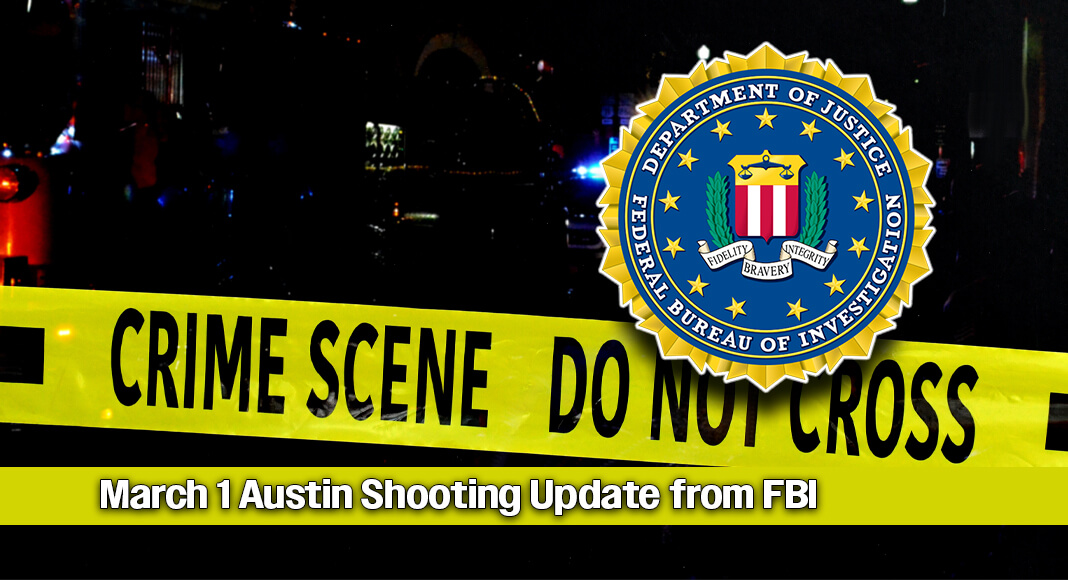
AUSTIN – The FBI San Antonio Division continues to investigate the mass shooting that occurred outside Buford’s Backyard Beer Garden located at 700 W 6th St., Austin, Texas during the early morning hours of March 1, 2026, that resulted in the tragic deaths of three victims and injuries to 15 others. The shooter, Ndiaga Diagne, a 53-year-old born in Senegal and living in Austin, Texas, died from wounds sustained during an exchange of gunfire with Austin Police Department officers who responded to the scene.
In April 2013, Diagne became a naturalized U.S. citizen. He legally purchased a handgun in August 2017 and a rifle in October 2017, both of which were used in the March 1, 2026, shooting.



Key Findings
The investigation to date indicates Diagne was a lone actor. Diagne was never the subject of an FBI investigation prior to the mass shooting on March 1. There is no evidence at this time that he was associated with a Foreign Terrorist Organization or that he received any direction, funding, or operational support for his attack. The following outlines the events of March 1; times are approximate.
Chain of Events
- 1:57 a.m. Diagne fired shots into Buford’s Backyard Beer Garden from his vehicle while parked on Rio Grande Street.
- 1:58 a.m. Diagne parked his vehicle in the parking lot at Wood Street and W. 6th Street.
- 1:59 a.m. Diagne got out of his vehicle with a rifle.
- 2:00 a.m. Diagne continued shooting in the parking lot at Wood Street and W. 6th Street.
- 2:02 a.m. Diagne reached the corner of West Avenue and W. 6th Street and began shooting.
- 2:02 a.m. Austin Police Department officers arrived in the vicinity of West Avenue and W. 6th Street and neutralized the threat.
FBI Specialized Resources & Investigative Steps
- About 400 personnel—including FBI agents from 14 field offices and multiple Headquarters divisions, along with local, state, and federal law enforcement partners—responded to the scene and supported the initial stages of the investigation.
- FBI Computer Analysis Response Team (CART) processed digital devices.
- FBI Digital Images and Video Recovery Team (DIVRT), a specialized unit of forensic examiners trained in media acquisition and exploitation, gathered over 3,000 digital media videos, equivalent to over 200 hours. This includes CCTV and other camera footage.
- FBI processed more than 150 million digital files; review and analysis are ongoing. FBI seized 30 devices, including cell phones, laptops, and tablets.
- FBI Cellular Analysis Survey Team (CAST) assisted by analyzing complex cellular network data.
- FBI Language Services Section translated documents from Wolof into English.
- FBI Behavioral Analysis Unit (BAU) provided specialized assistance with strategies for conducting witness interviews.
- FBI conducted 88 interviews.
- FBI obtained over 100 subpoenas.
- FBI obtained 22 search warrants.
- FBI obtained 12 consent searches.
Conclusion
There is no evidence of outside direction or radicalization; rather, the investigation indicates an escalation in violent behavior in part tied to specific personal triggers and grievances related to U.S. and Israeli military actions involving Iran, culminating in a violent, impulsive attack. The investigation revealed that Diagne admired the recently deceased Iranian leader, Ayatollah Ali Khamenei. At the time of the attack Diagne was wearing clothes that included an Iranian flag design t-shirt and a sweatshirt that read: “Property of Allah”. While Diagne’s affinity for Iran and the Ayatollah were most certainly factors in his mobilization to violence, the FBI has not identified conclusive evidence to explain Diagne’s motivation or how and why he selected the location for his attack.
The FBI has been resolute in doing everything possible to find answers for the families who lost loved ones and for all those affected by the March 1 shooting. The investigation remains ongoing, and the FBI will continue its efforts on behalf of the victims and their loved ones. The FBI will continue pursuing every lead to better understand what led up to the shooting in hopes of identifying any potential indicators that could help prevent future acts of violence.
Special Recognition
The FBI commends its partners at the Austin Police Department (APD) for their exceptional bravery and swift response in confronting the shooter and neutralizing the threat to the public. Their actions likely prevented additional injuries and loss of life. The FBI and APD continue their close partnership throughout this investigation.
The FBI also recognizes the significant support provided by the U.S. Attorney’s Office for the Western District of Texas, particularly for its assistance in securing legal process.
Information source: Federal Bureau of Investigation (FBI)