



Texas Border Business

By Roberto Hugo González
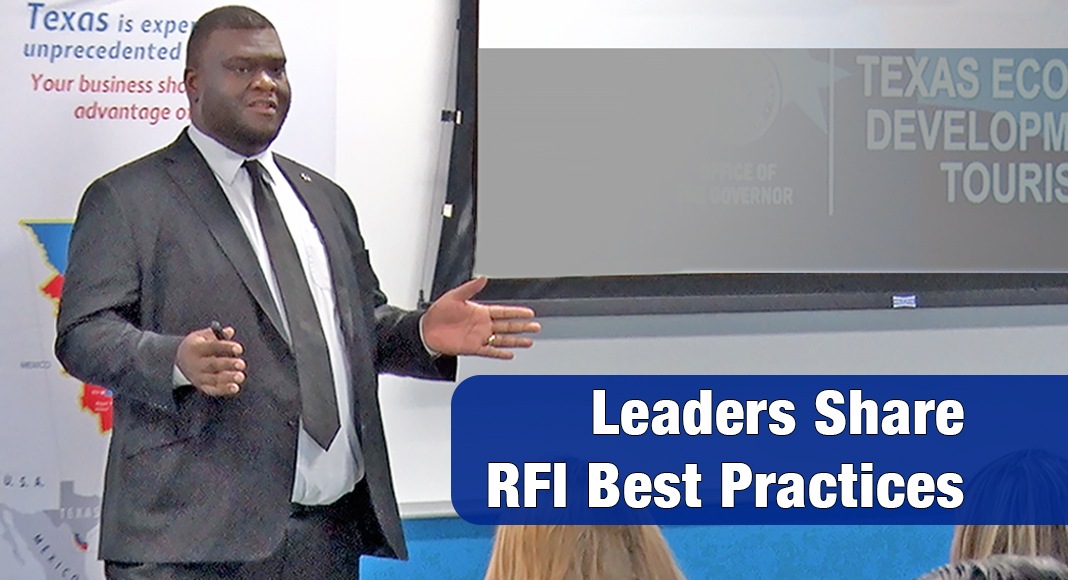
COSTEP, Council for South Texas Economic Progress, hosted an in-demand economic development event on August 5, 2025, at the TSTC Welcome Center in Harlingen, Texas. Titled “Request for Information Best Practices,” the session brought together key state officials, site selection experts, and local economic development professionals to explore the RFI process and share strategies to enhance regional competitiveness.
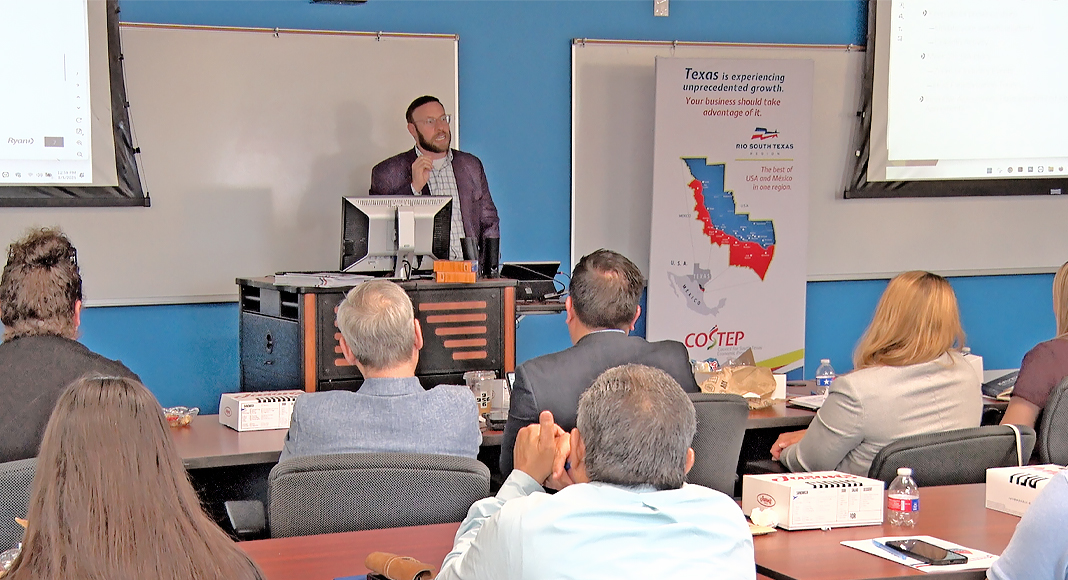
The event featured presentations from Sean Ferguson, Project Development Lead at the Governor’s Office of Economic Development and Tourism, and Michael Camden, Director of Site Selection and Incentives at Ryan, LLC. Both speakers offered a comprehensive, inside look at how RFIs shape investment decisions and how communities can better position themselves for success.

“We simply aren’t submitting enough RFIs,” said Adam Gonzalez, CEO of COSTEP, during his opening remarks. “But I believe some communities in our region are getting close to being RFI-ready, and we need to be more proactive in submitting responses.” Gonzalez stressed that participation—even when not selected-is valuable: “Just participating in the process helps create awareness of the assets we have in the region.”
Sean Ferguson outlined the structure of the Governor’s Office, emphasizing the work of the Business and Community Development Division. “I work under the division that handles RFIs and works directly with companies interested in expanding or relocating to Texas,” he said. Ferguson also highlighted the importance of collaboration with local representatives like Mallory McCoy, the South Texas Community Relations Specialist, stating, “She’s always willing to show up and represent the Governor’s Office at any event you invite her to.”
Ferguson walked attendees through the full RFI lifecycle—from initial intake to final site selection. He emphasized the importance of providing complete and well-organized submissions. “We’re trying to make sure that what companies need is what we’re presenting to you guys, so you can tell us if you have the correct site to meet their needs,” he explained. He added that successful responses typically include a clear cover letter, site-specific documentation, utility and workforce data, and a point of contact who is directly tied to the economic development office.
“We want you as the EDO to be the contact person—not the broker,” Ferguson stated. “Your broker is a salesman. We want to work with you.” He also cautioned against the use of hyperlinks in RFI responses due to file compatibility and security concerns. “We don’t have control over whether that link will work,” he said. “If it breaks, the submission could be disqualified.”

Michael Camden provided the private-sector perspective on RFIs. Based in Austin, Camden has over 16 years of experience in site selection and emphasizes the value of local relationships and responsiveness. “The ideal scenario is the EDO knows all the stakeholders in the community, has up-to-date information, and acts as the quarterback,” Camden said.
He detailed a five-phase approach to site selection, including project intake, RFI drafting, data validation, scoring, and decision-making. Camden noted that while incentives are not the top priority, they do influence decisions. “They usually fall around five to eight out of a list of 12 decision factors,” he said. “But companies are always looking for ways to reduce capital and operating costs.”
Camden urged communities to maintain updated marketing materials, accurate site data, and strong internal coordination. “Every RFI is a chance to build or damage your brand,” he warned. He encouraged EDOs to create mock RFI processes, regularly review their digital presence, and engage with site selectors directly. “Be competitive with your marketing,” he advised. “LinkedIn is a powerful tool.”
In closing, the event served as both a training and a call to action. As Ferguson remarked, “There’s no magic bullet to RFIs—but there is a process.” With renewed clarity on how RFIs are structured and evaluated, South Texas economic developers are now better equipped to compete on the state and national stage.