






Texas Border Business

Texas Border Business
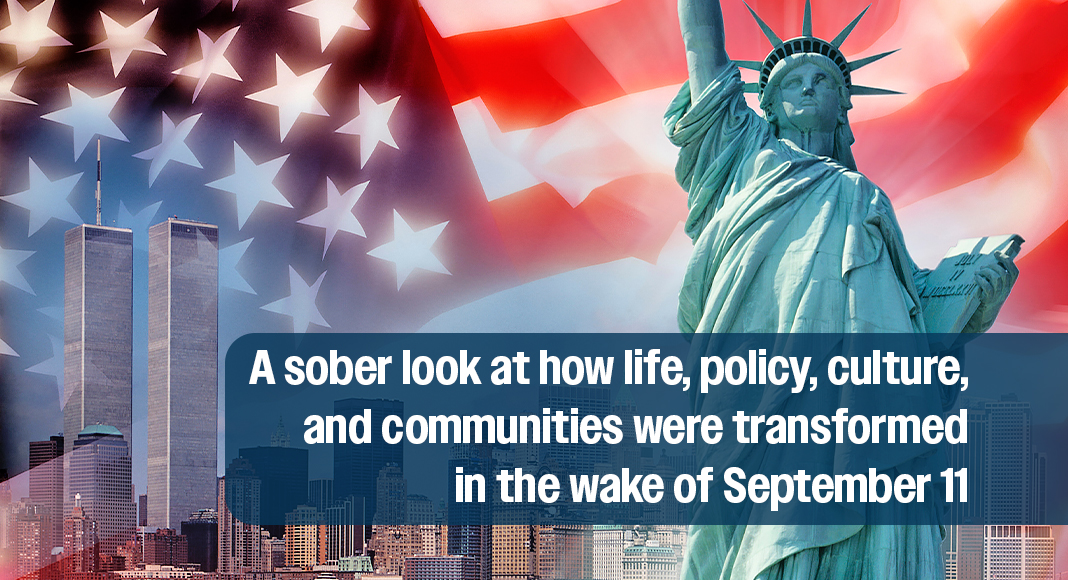
The reverberations of September 11, 2001, are not limited to history books—they continue to influence the social, political, and emotional landscape of a whole generation.
In the immediate aftermath, Americans responded with a sense of unified sorrow, patriotism, and increased trust in their government. According to the Pew Research Center, in October 2001, 60% of adults expressed confidence in the federal government, reaching highs not seen in decades; 86% approved of President Bush’s performance at that time. Simultaneously, 78% said religion’s influence was increasing in American life, also the highest level in 40 years.

These shifts were accompanied by sweeping policy changes. The USA PATRIOT Act provided extensive surveillance and intelligence powers; the Department of Homeland Security was established in 2003 under the Homeland Security Act to coordinate anti-terror efforts across agencies.
Public sentiment, however, shifted. By 2005, trust in the federal government had fallen to 31%, according to the Pew Research Center. By September 2021, on the 20th anniversary of the attacks, just 24% of Americans said they trusted the government “just about always” or “most of the time.” The surge in trust after 9/11 proved temporary (Pew Research Center, 2021).
Foreign policy and military engagement became defined by the concept of “forever wars.” The Authorization for Use of Military Force (AUMF) enabled decades-long overseas operations—all stemming from that day’s immediate aftermath.
The cultural landscape was also profoundly changed. The distinction between “pre-9/11” and “post-9/11” has become a key marker in national identity. Cultural expressions—films, music, literature—absorbed post-9/11 anxiety, grief, and symbolism, shifting from peaceful themes to stories tinged with trauma. Patriotism increased, home life grew more important, church attendance and flag-flying rose—manifestations of collective coping and unity.

The human toll also unfolded over years—not just through immediate loss but through the quiet suffering that followed. First responders inhaled toxins at Ground Zero and, on average, lost 12 years of lung function. Estimates indicate that 70,000 people may have developed stress-related disorders, including PTSD.
Even children bear the emotional burden. Young people exposed to 9/11 footage have exhibited higher levels of depression and PTSD, especially those who lost family members—often fighting emotional struggles years later.
In sum, September 11 changed the American experience — not just for those who witnessed it firsthand, but also for those born afterward. The day altered trust in institutions, civic identity, civil liberties, national security, cultural expression, and the path of an entire generation.
As we continue this series, we will examine these human aspects: the ongoing journey of survivors and veterans, the significance of memorials in the healing process, and how a new generation learns about—and carries forward—the memory of that day. We will never forget.
See related stories: