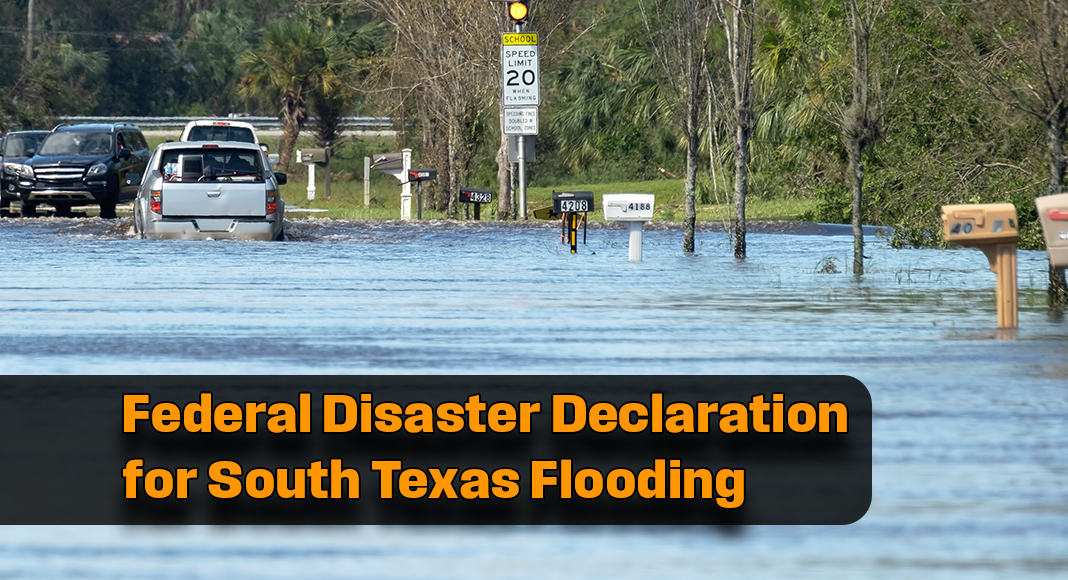
Governor Greg Abbott today announced that four South Texas counties have been approved for federal disaster assistance as part of a Major Disaster Declaration approved by President Donald J. Trump, following impacts to Rio Grande Valley communities from severe storms and flooding in March. Image for illustration purposes
Texas Border Business
AUSTIN — Governor Greg Abbott today announced that four South Texas counties have been approved for federal disaster assistance as part of a Major Disaster Declaration approved by President Donald J. Trump, following impacts to Rio Grande Valley communities from severe storms and flooding in March.
“President Trump approved four South Texas counties for disaster assistance that will provide critical financial aid to communities impacted by severe weather in March,” said Governor Abbott. “This approval is a major step forward to ensure that Texans have what they need to rebuild and recover. I thank President Trump for approving this request as well as the state and local officials and emergency response personnel who continue to work tirelessly to help their fellow Texans.”
Qualifying Texans in the following counties are eligible for the Federal Emergency Management Agency (FEMA) Individual Assistance program: Cameron, Hidalgo, Starr, and Willacy. Texans can apply for FEMA disaster assistance online at disasterassistance.gov or by calling 800-621-3362.
FEMA’s Individual Assistance program funding assists with expenses such as temporary housing, emergency home repairs, uninsured and underinsured personal property losses, disaster legal services, disaster unemployment assistance, and medical, dental, and funeral expenses caused by the disaster.
A request from Texas to the federal government to approve access to FEMA’s Public Assistance program, authorize additional FEMA Hazard Mitigation Grant Program resources statewide, and authorize the U.S. Small Business Administration Disaster Loan Program for physical and economic loss for designated counties remains pending.
Governor Abbott continues to take action to provide all available resources to help support local communities impacted by recent flooding, including:
Requesting a Presidential Disaster Declaration for communities impacted by storms and flooding
Requesting local, state, and federal partners conduct joint preliminary damage assessments in affected areas
Issuing a state disaster declaration for impacted communities
Activating state emergency response resources ahead of storm impacts
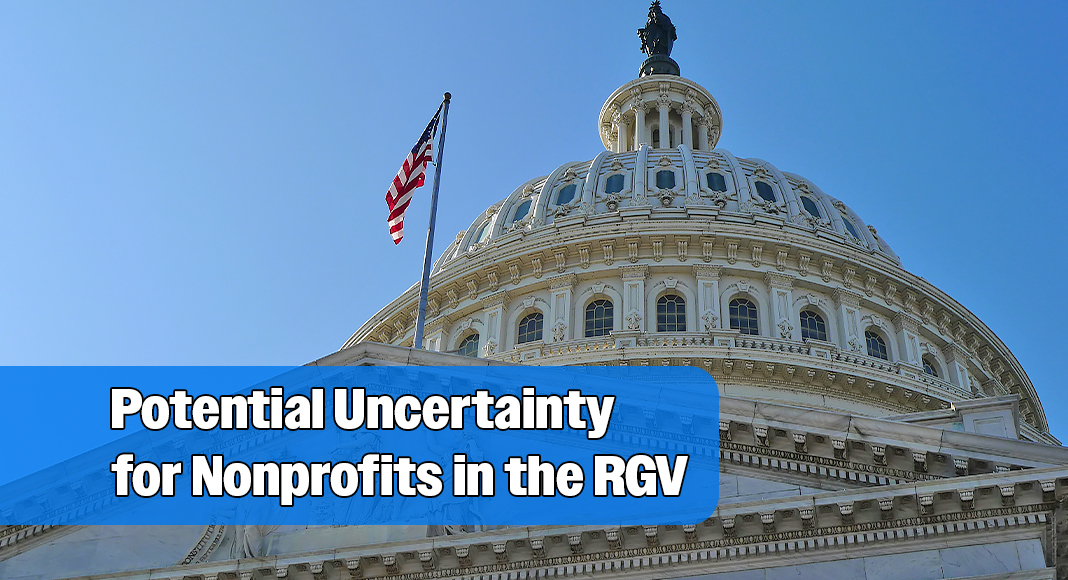
While the bill does not explicitly list affected nonprofits, certain provisions may indirectly affect organizations based on their activities and funding structures. Image for illustration purposes
Texas Border Business
Texas Border Business
The “One Big Beautiful Bill Act,” passed by the U.S. House of Representatives on May 22, 2025, contains provisions that could significantly impact nonprofit organizations operating in the Rio Grande Valley (RGV) of Texas. While the bill does not explicitly list affected nonprofits, certain provisions may indirectly affect organizations based on their activities and funding structures.
Potentially Affected Nonprofits in the RGV
Catholic Charities of the Rio Grande Valley (CCRGV): CCRGV operates the Humanitarian Respite Center in McAllen, providing essential services to migrants. The Trump administration has signaled intentions to cut federal funding to organizations like Catholic Charities, citing concerns over their role in immigration activities. Such funding cuts have already led to significant staff layoffs in similar organizations across Texas.
2. La Unión del Pueblo Entero (LUPE): LUPE advocates for the rights of farmworkers and immigrants in the RGV. Given the bill’s provisions allowing for the revocation of tax-exempt status from organizations deemed to support terrorism, advocacy groups like LUPE could face increased scrutiny, depending on the interpretation and enforcement of these provisions.
3. Come Dream, Come Build (CDCB): CDCB focuses on affordable housing initiatives in the RGV. While primarily a housing organization, any involvement in advocacy or partnerships with other nonprofits could subject it to the bill’s broader definitions affecting tax-exempt status.
4. Valley Haven: This organization provides essential clothing and personal hygiene items for children in the RGV. While not directly targeted by the bill, reductions in federal funding and increased scrutiny of nonprofits could indirectly impact its operations.
Key Provisions Affecting Nonprofits
• Revocation of Tax-Exempt Status: The bill grants the administration authority to revoke the tax-exempt status of nonprofits it designates as supporting terrorism. Critics argue that the criteria for such designations are vague, potentially leading to arbitrary enforcement.
• Increased Taxes on Investment Income: Private foundations and large university endowments may face higher taxes on their investment incomes, with rates increasing up to 10% for foundations with substantial assets.
• Taxation of Unrelated Business Income: Nonprofits may be required to pay taxes on income derived from activities unrelated to their primary mission, such as licensing their name or logo.
Implications for the RGV
Nonprofits in the RGV play a crucial role in providing services to underserved communities, including healthcare, education, housing, and legal assistance. The bill’s provisions could lead to reduced funding, increased operational costs, and heightened scrutiny, potentially hindering their ability to serve the community effectively.
Organizations in the RGV may need to assess their activities and funding sources to ensure compliance with the new regulations and to mitigate potential risks associated with the bill’s enforcement.
The “One Big Beautiful Bill Act,” having passed the U.S. House of Representatives on May 22, 2025, is now under consideration in the Senate. Senate Republicans are expected to return from the Memorial Day recess during the week of June 2 and begin drafting their version of the legislation. The goal is to pass the bill before the July 4 recess. 
President Trump has urged the Senate to act “as soon as possible,” emphasizing the importance of swift action following the House’s narrow approval. However, the Senate is anticipated to propose modifications to the bill, particularly concerning provisions related to Medicaid cuts and other fiscal measures.
While an exact Senate vote date has not been announced, the legislative timeline suggests that deliberations and potential amendments will occur in early to mid-June, with a final vote aimed for before the July 4 recess.
Disclaimer: This article is based on current legislative developments and publicly available information as of May 2025. The provisions and potential impacts discussed are subject to change during the Senate’s deliberation process. Readers should not interpret this as a final policy. For the most accurate and updated information, please follow official congressional updates or contact your U.S. Senate representatives directly.
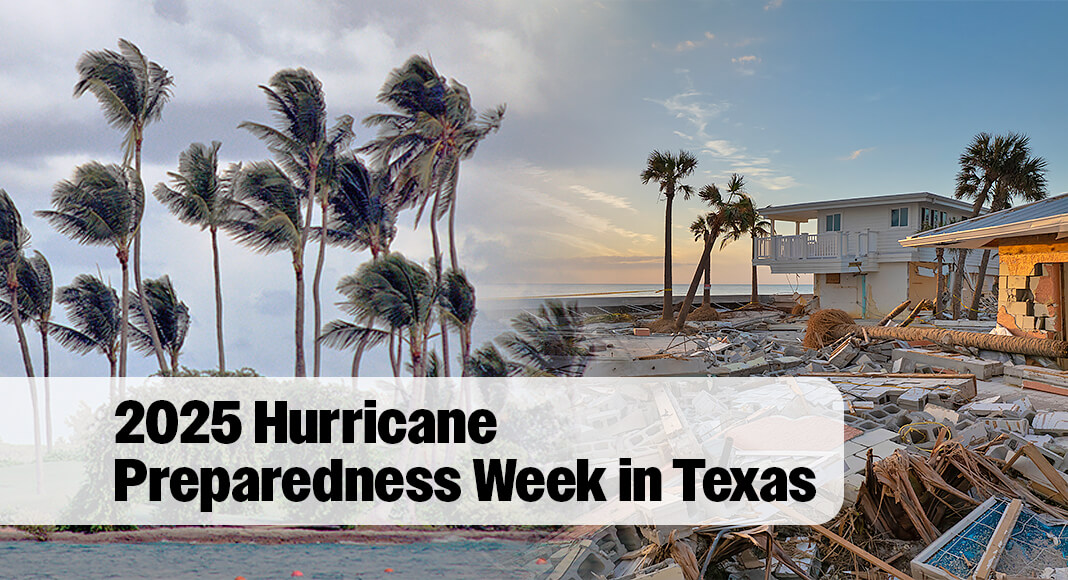
“The State of Texas knows all too well the devastating power of hurricanes,” said Governor Abbott. Image for illustration purposes
Texas Border Business
AUSTIN – Governor Greg Abbott raised awareness about the dangers of hurricanes and the precautions Texans can take as hurricane season approaches by proclaiming May 26-31, 2025, as Hurricane Preparedness Week in Texas.
“The State of Texas knows all too well the devastating power of hurricanes,” said Governor Abbott. “From storm surges to high winds, hurricanes pose a threat to life and property. This Hurricane Preparedness Week, it is crucial that every family, business, and community take proactive measures and stock up on emergency supplies to protect themselves, their loved ones, and their property as hurricane season approaches. By taking the time now to prepare for any devastating and powerful storms that may reach our shores, we can help foster a safer and more secure future for our state.”
In support of hurricane preparedness efforts in the state, the Texas Division of Emergency Management (TDEM) has reviewed the appropriate emergency management planning documents to ensure they are updated to meet community needs in the event of a hurricane. TDEM also held its annual hurricane exercise, which included partners from all levels of government and the private sector.
The 2025 Atlantic Hurricane Season runs June 1-November 30, 2025. Texans can visit the Texas Hurricane Center for information on proactive steps to take before, during, and after a hurricane. Texans can also visit TexasReady.gov for additional hurricane safety tips and tdem.texas.gov/prepare for preparedness information.
U.S. Customs and Border Protection officers at Laredo Port of Entry apprehended a man wanted in Illinois on an outstanding felony warrant for alleged rape. Image for illustration purposes
Texas Border Business
LAREDO, Texas – U.S. Customs and Border Protection officers at Laredo Port of Entry apprehended a man wanted in Illinois on an outstanding felony warrant for alleged rape.
“Our frontline CBP officers place a priority focus on securing our borders,” said Port Director Albert Flores, Laredo Port of Entry. “The apprehension of persons wanted in connection with sexual offenses–such as this particular case–underscores and perfectly illustrates CBP’s ongoing commitment to our border security mission and keeping our communities safe.”
On May 21, CBP officers at Juarez-Lincoln Bridge referred vehicle driver Elio Benitez Pena, 65, a U.S. citizen, for secondary inspection. During secondary examination, CBP officers utilizing biometric verification and federal law enforcement databases verified his identity, citizenship, and discovered that he was wanted by the U.S. Marshals Service on an outstanding felony arrest warrant for rape originally issued by Pontoon Beach Police Department in Pontoon Beach, Ill. CBP officers transported Benitez Pena to Webb County jail for adjudication of the warrant.
Criminal charges are merely allegations. Defendants are presumed innocent unless proven guilty in a court of law.
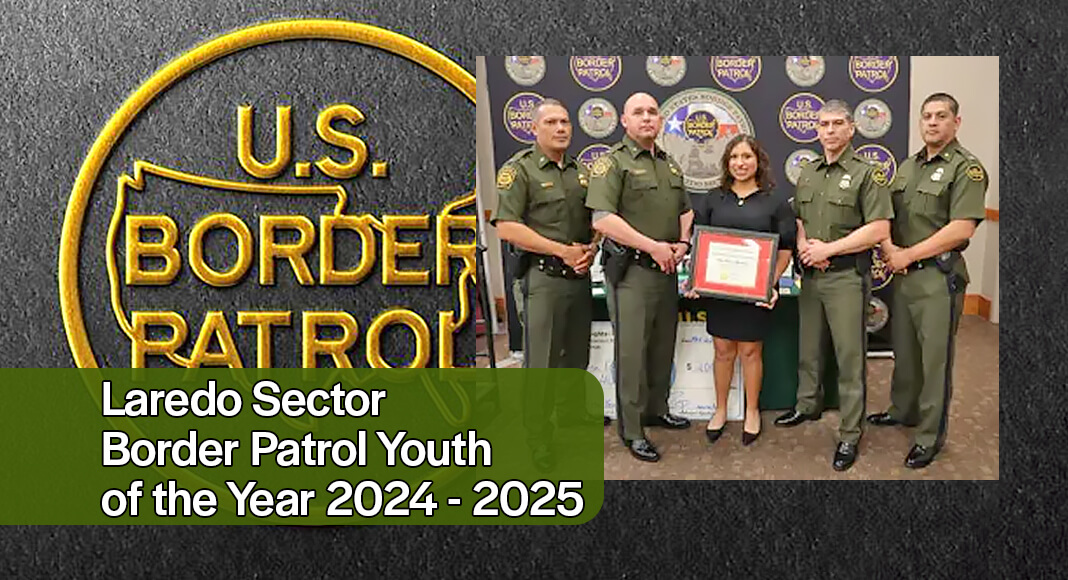
Selina Blanca Alicia Liendo, a senior at United South High School, was selected as the Laredo Sector Border Patrol Youth of the Year for 2024 – 2025. Laredo Sector Deputy Chief Patrol Agent, Enrique Martinez, announced the selection during a ceremony at Texas A&M International University (TAMIU) in Laredo, Texas. USCBP image
Texas Border Business
LAREDO, Texas — Selina Blanca Alicia Liendo, a senior at United South High School, was selected as the Laredo Sector Border Patrol Youth of the Year for 2024 – 2025. Laredo Sector Deputy Chief Patrol Agent, Enrique Martinez, announced the selection during a ceremony at Texas A&M International University (TAMIU) in Laredo, Texas. Sara Melendez, CBP Public Affairs Officer, was the Mistress of Ceremony for the event.
During her high school career, Ms. Liendo focused on the EMT program at her school, community work, and Varsity Tennis team. She was a member of the Kazen Fellowship Program, a yearlong effort to mentor and guide students through real-world civic experiences. The goal of the program is to raise and to help develop civically engaged leaders in the community. She plans to attend college and earn a degree in nursing.
The Youth of the Year ceremony culminate the Laredo Sector Youth of the Month program that recognizes students from all 11 Laredo high schools each month during the academic year. Students are selected for the honor based on academic achievement, community involvement, and demonstration of their dedication to succeed. This year marks the 38th anniversary of the program.
The Youth of the Year was established by Laredo Sector Border Patrol as an effort to recognize Laredo students for their outstanding achievements. Our community partners play an integral role in the Border Patrol Youth of the Month/Youth of the Year program as they reflect the commitment and dedication in supporting education by highlighting Laredo’s young leaders throughout the academic year.
The U.S. Border Patrol appreciates all the community partners who help make the Youth of the Month program a possibility — A big thank you to TAMIU for hosting this year’s Youth of the Year Ceremony and to the Honorable Judge Diana Saldana, U.S. District Judge, Southern District of Texas, for being our keynote speaker.
“These measures are crucial for helping businesses have the working capital they need to cover payroll, manage rising supply costs, and stay competitive.” — National Restaurant Association
Texas Border Business
Washington, D.C. – National Restaurant Association President & CEO Michelle Korsmo released a statement about the U.S. House of Representatives passage of H. R. 1, ‘The One, Big, Beautiful Bill Act:’
“This legislation is a major victory for restaurant owners, employees, and the communities they serve. It incorporates key tax provisions vital for industry growth, such as the 199A qualified business income deduction, full expensing of capital investments, and the reinstatement of depreciation and amortization in calculating business interest expenses. These measures are crucial for helping businesses have the working capital they need to cover payroll, manage rising supply costs, and stay competitive.
“The inclusion of the No Tax on Tips and No Tax on Overtime provisions recognizes the value of our dedicated workforce. More than two million tipped servers and bartenders stand to benefit, while the overtime measure rewards the commitment of over 13 million hourly team members across the sector.
“Tax policy can determine the survival of small businesses, especially restaurants, where pre-tax margins are often just 3–5%. The inclusion of so many supportive policies was made possible by the unified efforts of our National and State Association members, including the restaurant owners, industry advocates, and employees who shared compelling stories with House members about the positive effect these changes will have on businesses and local economies. We’re grateful for the strong policy provisions and look forward to collaborating with the Senate as the process moves forward.”
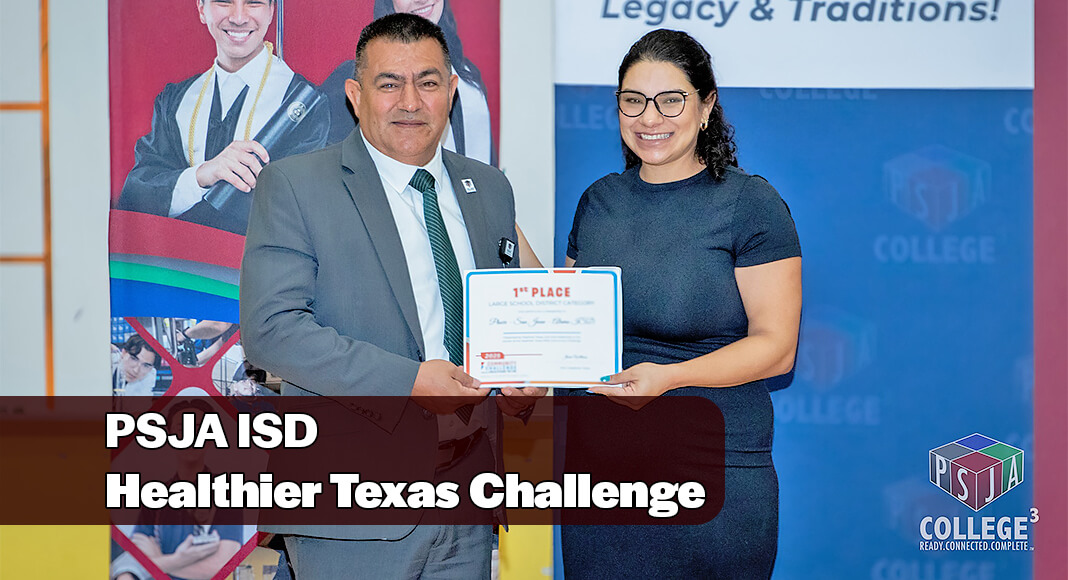
Dr. Alejandro Elias, Superintendent of PSJA, congratulated the winning schools, commending their commitment to fostering healthy habits throughout the district. Image courtesy of PSJA ISD
Texas Border Business
SAN JUAN – Pharr-San Juan-Alamo ISD unveiled the plans for a new School & Community Wellness Complex during the 2025 Healthier Texas Community Challenge Celebration held on Wednesday, May 21, 2025.
Watch the Video of the Wellness complex:
Courtesy of PSJA ISD
The School & Community Wellness Complex set to open in Summer 2025 is a new project in partnership with Hidalgo County Precinct 2, will feature eight pickleball courts, a tennis court, and outdoor fitness stations. This is a significant step for PSJA ISD in promoting active lifestyles and expanding health and wellness initiatives that benefit both students and community members.
The 8-week competition, held from January 13-March 9, 2025, unites businesses, organizations, community members and leaders with a common goal of transforming health communities.
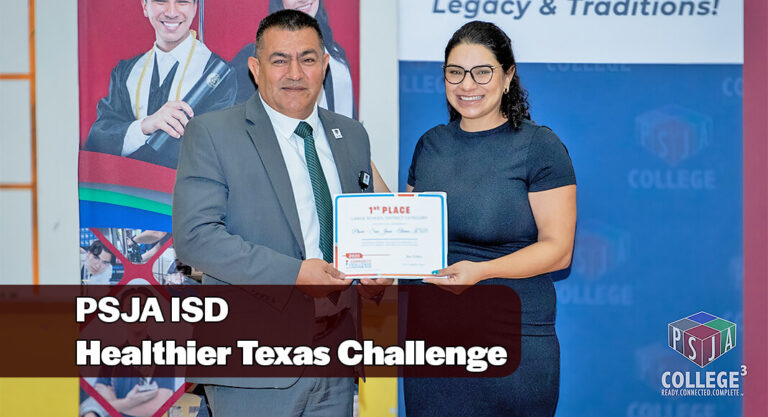
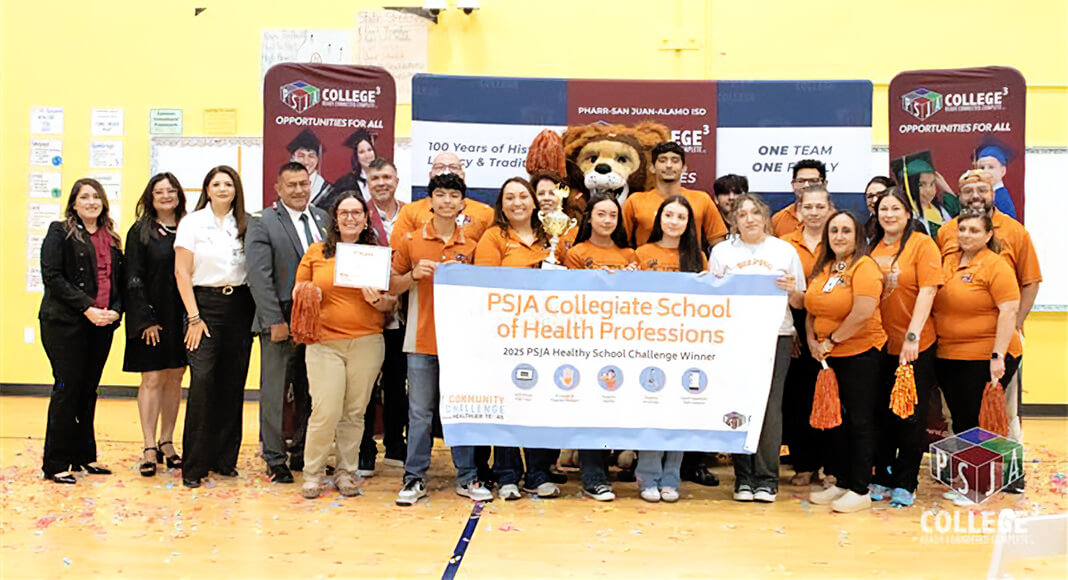
Students and staff celebrated PSJA ISD for earning first place in the Large District category making it the seventh time the district has earned this honor. Earning the top spot reflects the commitment of our PSJA Family and members in our community.
The celebration continued as the top three schools in the district’s Healthy School Challenge were recognized. The winners were:
Elementary
1st – Aida Escobar Elementary
2nd – Cesar Chavez Elementary
3rd – Dr. William Long Elementary
Image courtesy of PSJA ISD
Middle School
1st- Audie Murphy Middle School
2nd – Austin Middle School
3rd- Jesus “Jesse” Vela Middle School
Image courtesy of PSJA ISD
High School
1st- PSJA Collegiate Early College High School
2nd- PSJA Memorial Early College High School
3rd- PSJA North Early College High School
Image courtesy of PSJA ISD
Dr. Alejandro Elias, Superintendent of PSJA, congratulated the winning schools, commending their commitment to fostering healthy habits throughout the district.
“Congratulations to everyone for helping PSJA ISD become a seven-time winner of the Community Challenge—this accomplishment highlights the strides we’re making in prioritizing healthy habits, and the new School & Community Wellness Complex will further support your fitness journey,” said PSJA Superintendent Dr. Alejandro Elias. “Our partnership with Hidalgo County Precinct 2 strengthens our shared commitment to the health and well-being of our students, staff, and community members.”
Thania Parra, South Texas Regional Director of the Community Challenge – Healthier Texas commended PSJA’s remarkable efforts in promoting health within the community.
“You have earned this success—securing first place for the seventh time—and did an outstanding job this year,” said Thania Parra. “You continue to lead the RGV in health initiatives, and it’s your strong leadership that makes this possible. You are true health champions!”
The Community Challenge powered by Healthier Texas is a statewide nonprofit organization dedicated to fostering collaboration among people, organizations, and communities to support health for all. The organization endeavors to mitigate the risk of preventable diseases while enhancing access to health for all Texans.
For more information on the challenge and to learn more about PSJA ISD, visit www.psjaisd.us/challenge .
Zamora-Quezada’s patient file storage facility – Zamora-Quezada used proceeds from his crimes to fund a lavish lifestyle, replete with real estate properties across the country and in Mexico, a jet, and a Maserati. Image courtesy of FBI
Texas Border Business
Federal Bureau of Investigation (FBI)
A Texas rheumatologist was sentenced to 10 years in prison and three years of supervised release for perpetrating a health care fraud scheme involving over $118 million in false claims and the payment of over $28 million by insurers as a result of him falsely diagnosing patients with chronic illnesses to bill for tests and treatments that the patients did not need. Jorge Zamora-Quezada M.D., 68, of Mission, also falsified patient records to support the false diagnoses after receiving a federal grand jury subpoena. Following a 25-day trial, Zamora-Quezada was convicted of one count of conspiracy to commit health care fraud, seven counts of health care fraud, and one count of conspiracy to obstruct justice. In addition to his prison term, Zamora-Quezada was ordered to forfeit $28,245,454, including 13 real estate properties, a jet, and a Maserati GranTurismo.
Zamora-Quezada’s jet. Image courtesy of FBI
According to the evidence presented at trial, Zamora-Quezada falsely diagnosed his patients with rheumatoid arthritis and administered toxic medications in order to defraud Medicare, Medicaid, TRICARE, and Blue Cross Blue Shield. The fraudulent diagnoses made the defendant’s patients believe that they had a life-long, incurable condition that required regular treatment at his offices. After falsely diagnosing his patients, Zamora-Quezada administered unnecessary treatments and ordered unnecessary testing on them, including a variety of injections, infusions, x-rays, MRIs, and other procedures—all with potentially harmful and even deadly side effects. To receive payment for these expensive services, Zamora-Quezada fabricated medical records and lied about the patients’ condition to insurers.
One of Zamora-Quezada’s luxury properties. Image courtesy of FBI
“Dr. Zamora-Quezada funded his luxurious lifestyle for two decades by traumatizing his patients, abusing his employees, lying to insurers, and stealing taxpayer money,” said Matthew R. Galeotti, Head of the Justice Department’s Criminal Division. “His depraved conduct represents a profound betrayal of trust toward vulnerable patients who depend on care and integrity from their doctors. Today’s sentence is not just a punishment—it’s a warning. Medical professionals who harm Americans for personal enrichment will be aggressively pursued and held accountable to protect our citizens and the public fisc.”
“Through the false diagnoses and excessive false billing, Dr. Zamora-Quezada abused both patient trust and public resources,” said Special Agent in Charge Jason E. Meadows of the U.S. Department of Health and Human Services Office of Inspector General (HHS-OIG). “It is imperative to investigate and address this form of fraud — not only to protect vulnerable individuals from harm but to uphold the integrity of the federal health care system and safeguard the use of public funds.”
“The FBI is dedicated to working with all of our partners to address health care fraud,” said Special Agent in Charge Aaron Tapp of the FBI’s San Antonio Field Office. “This case was not only a concern to us because of the financial loss — the physical and emotional harm suffered by the patients and their families was alarming and profound. We hope this significant sentence will help bring closure to the many victims in this case.”
Evidence at trial established that Dr. Zamora-Quezada falsely diagnosed patients in order to defraud insurers and enrich himself. Other rheumatologists in the Rio Grande Valley testified at trial that they saw hundreds of patients previously diagnosed with rheumatoid arthritis by Zamora-Quezada who did not have the condition, prompting one physician to explain that for “most” it was “obvious that the patient did not have rheumatoid arthritis.” Zamora-Quezada’s false diagnoses and powerful medications caused debilitating side effects on his patients, including strokes, necrosis of the jawbone, hair loss, liver damage, and pain so severe that basic tasks of everyday life, such as bathing, cooking, and driving, became difficult. As one patient testified, “Constantly being in bed and being unable to get up from bed alone, and being pumped with medication, I didn’t feel like my life had any meaning.” One mother described how she felt that her child served as a “lab rat,” and others described abandoning plans for college or feeling like they were “living a life in the body of an elderly person.”
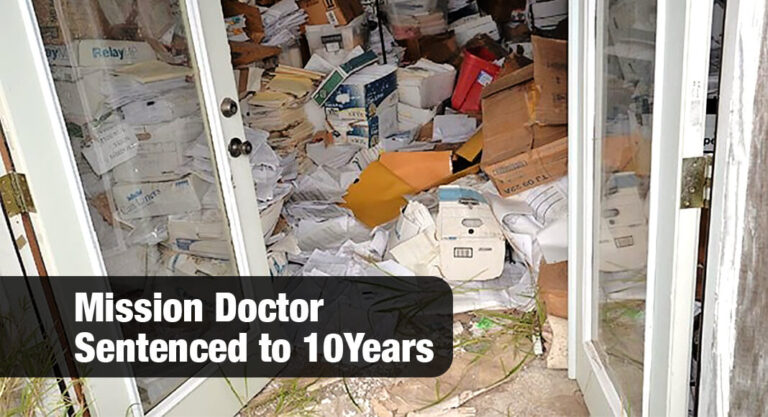
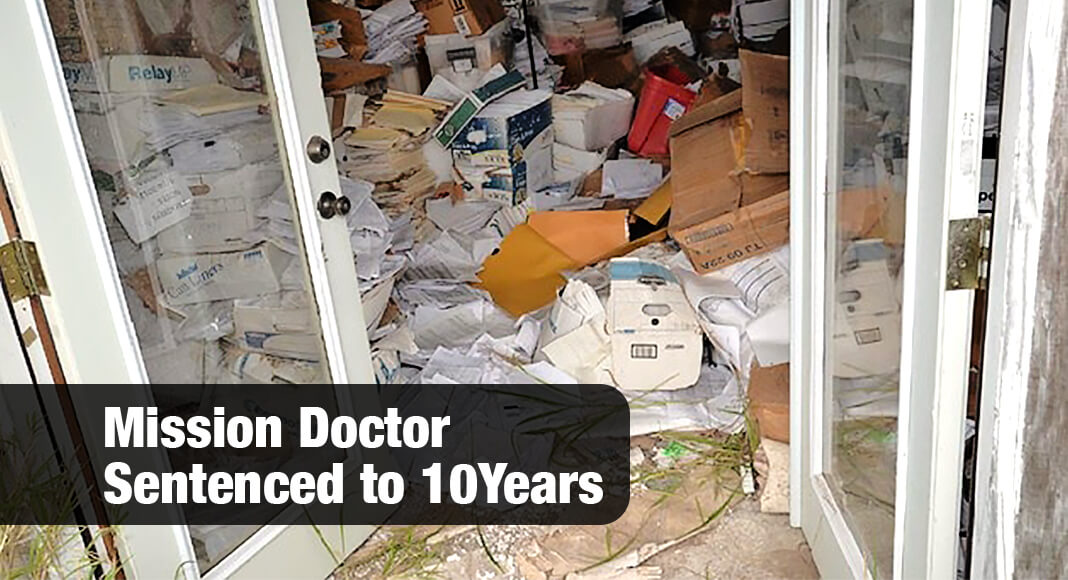
Former employees detailed how Zamora-Quezada imposed strict quotas for procedures, leading to a climate of fear. Zamora-Quezada referred to himself as the “eminencia” — or eminence, threw a paperweight at an employee who failed to generate enough unnecessary procedures, hired employees he could manipulate because they were on J-1 visas and their immigration status could be jeopardized if they lost their jobs, and fired those who challenged him. Testimony also revealed Zamora-Quezada’s obstruction of insurer audits by fabricating missing patient files, including by taking ultrasounds of employees and using those images as documentation in the patient records. Testimony at trial established that Zamora-Quezada told employees to “aparecer” the missing records — “to make them appear.” Former employees also recounted being sent to a dilapidated barn to attempt to retrieve records. There, files were saturated with feces and urine, rodents, and termites that infested not only the records but also the structure.
FBI, HHS-OIG, Texas HHS-OIG, and the Texas Medicaid Fraud Control Unit investigated the case, with assistance from the Defense Criminal Investigative Service.
Principal Assistant Chief Jacob Foster and Assistant Chiefs Rebecca Yuan and Emily Gurskis of the Criminal Division’s Fraud Section and Assistant U.S. Attorney Laura Garcia for the Southern District of Texas prosecuted the case. Assistant U.S. Attorney Kristine Rollinson handled asset forfeiture. Fraud Section Assistant Chief Kevin Lowell initially handled the prosecution. The prosecution team thanks the Fraud Section’s Data Analytics Team, whose work initiated the investigation, Victim Witness Specialist Olga De La Rosa of the U.S. Attorney’s Office for the Southern District of Texas, and the Texas Department of Insurance.
The Fraud Section leads the Criminal Division’s efforts to combat health care fraud through the Health Care Fraud Strike Force Program. Since March 2007, this program, currently comprised of nine strike forces operating in 27 federal districts, has charged more than 5,800 defendants who collectively have billed federal health care programs and private insurers more than $30 billion. In addition, the Centers for Medicare & Medicaid Services, working in conjunction with HHS-OIG, are taking steps to hold providers accountable for their involvement in health care fraud schemes. More information can be found at www.justice.gov/criminal-fraud/health-care-fraud-unit.
On May 22, 2025, the U.S. House of Representatives passed the “One Big Beautiful Bill Act,” a comprehensive tax and spending package championed by President Donald Trump. The bill passed with a vote of 215–214. Image for illustration purposes.
Texas Border Business
Texas Border Business
On May 22, 2025, the U.S. House of Representatives passed the “One Big Beautiful Bill Act,” a comprehensive tax and spending package championed by President Donald Trump. The bill passed with a vote of 215–214.
Key Provisions of the Bill
Tax Cuts and Extensions:
• Permanent extension of the 2017 Tax Cuts and Jobs Act, including reduced individual and corporate tax rates.
• Elimination of federal taxes on tips and overtime pay.
• Increase in the Child Tax Credit to $2,500 through 2028, reverting to $2,000 thereafter.
• Raise in the State and Local Tax (SALT) deduction cap from $10,000 to $40,000 for married couples earning up to $500,000.
• Introduction of “MAGA” savings accounts, providing $1,000 for children born between 2024 and 2028.
• Temporary deductions for U.S.-made car loan interest and additional tax relief for seniors.
Spending Cuts and Program Reforms:
• Approximately $700 billion in Medicaid cuts over a decade, including new work requirements and increased eligibility verification.
• $267 billion reduction in Supplemental Nutrition Assistance Program (SNAP) funding, shifting more costs to states and imposing stricter work requirements.
• Overhaul of student loan programs, consolidating repayment plans and eliminating certain subsidies.
• Taxation of large university endowments and restrictions on tax-exempt status for nonprofits deemed to support terrorism.
Defense and Border Security:
• $150 billion increase in defense spending, including funding for missile defense systems and naval expansion.
• $46.5 billion allocated for border security, encompassing wall construction, increased Border Patrol staffing, and enhanced surveillance technologies.
Next Steps
The bill now moves to the Senate, where it is expected to face further debate and possible amendments. Republicans aim to pass the legislation before the July 4 recess.
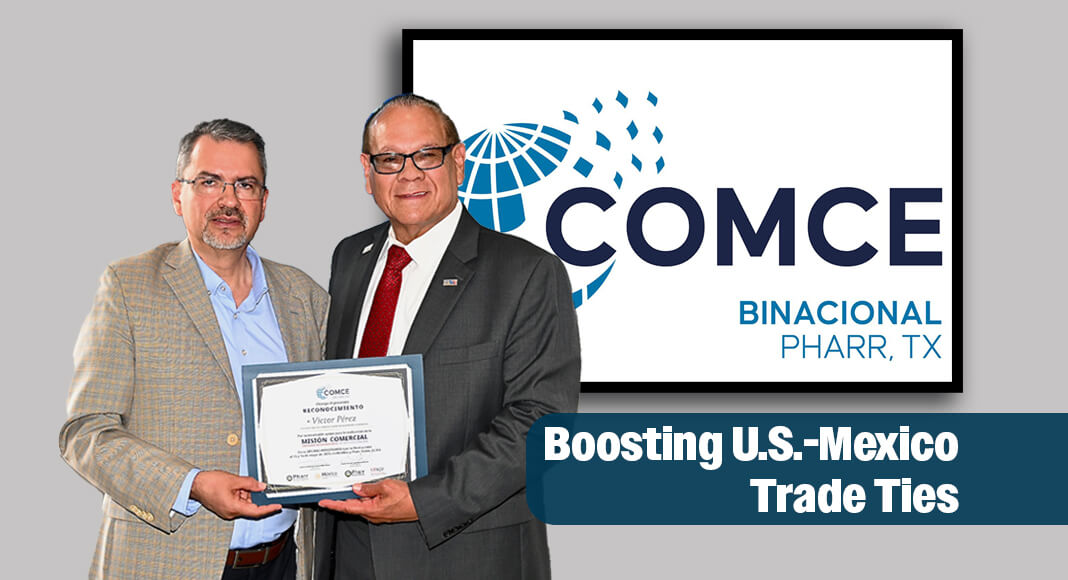
Liborio Alberto Flores Mendoza, President of COMCE Zacatecas, presents a recognition to Víctor Pérez, President and CEO of Economic Development for the City of Pharr, during the official announcement of COMCE’s new U.S. headquarters at the Pharr Global Business HUB—marking a historic step in strengthening binational trade between Mexico and the United States. Photo by Roberto Hugo González
Texas Border Business
By Roberto Hugo González
The City of Pharr has been officially named the U.S. headquarters for the Mexican Business Council for Foreign Trade, Investment, and Technology (COMCE), following a formal trade mission by COMCE Zacatecas. The announcement was made during a ceremony at the Pharr Global Business Hub, a facility designed to foster international economic engagement and now recognized as COMCE’s new base in the Rio Grande Valley.
The Pharr Global Business Hub is jointly operated by the Pharr Economic Development Corporation (Pharr EDC) and the University of Texas Rio Grande Valley (UTRGV). This partnership combines Pharr EDC’s local economic development initiatives with UTRGV’s expertise in entrepreneurship and workforce development.
Víctor Pérez, President and CEO of Economic Development for the City of Pharr, called the designation “historic,” noting that the HUB will serve as a binational headquarters for COMCE and the City of Pharr. “We’ve been working on this partnership for some time,” he said. “This facility was built to support international commerce, and now we’re proud to call it home to COMCE in the RGV.”
The move aims to provide critical access and infrastructure for Mexican entrepreneurs and small to mid-sized businesses looking to expand operations into the United States. “It’s a significant step forward in supporting Mexican entrepreneurs,” Pérez said. “That’s precisely why the Pharr Global Business Hub was created.”
Pérez recalled that the idea first emerged nearly a decade ago, when Mexican delegations expressed interest in U.S. expansion but lacked guidance. “They didn’t know who to approach or where to start,” he explained. Those early conversations ultimately led to the creation of the HUB, designed to serve as a one-stop resource center for international investors.
A Memorandum of Understanding signed last year between the Pharr Economic Development Corporation and COMCE laid the foundation for this binational partnership. “We’re not one of those cities that signs an MoU and walks away,” Pérez said. “Here, we follow through.”
The collaboration includes participation in binational conferences and shared economic development initiatives. To reflect the structure of the new partnership, Pérez has been named President of COMCE Pharr, Texas; Liborio Alberto Flores Mendoza will serve as Vice President; and Lilvette Santos has been appointed Executive Director.
Flores Mendoza, President of COMCE Zacatecas, described the Pharr office as a culmination of years of groundwork and collaboration. “This new binational hub is designed to support trade and business development,” he said. “It will help small and medium-sized enterprises from Mexico expand into the Texas Valley and beyond.”
He emphasized the long-term mission of COMCE: to provide fundamental tools, infrastructure, and guidance that reduce risk and increase the success rate of international business ventures. “Over the past 10 years, we’ve worked with more than 700 Mexican entrepreneurs,” Flores Mendoza said. “Most of them would benefit from services like soft-landing programs and business incubators that ease the transition into the U.S. market.”
Flores noted that the new Pharr office is part of a larger U.S. expansion strategy, joining COMCE’s existing locations in Laredo and Brownsville. He also highlighted the potential of the agri-food sector, a key focus during the accompanying trade seminar.
The new office will be coordinated through COMCE Zacatecas with support from the national COMCE organization. “The leadership structure reflects our commitment to a functional and cooperative binational presence,” Flores Mendoza said.
He stressed that the initiative isn’t just symbolic—it’s practical. “This is no longer just about helping from the Mexican side. We are now positioned where our entrepreneurs want to be,” he said. “Thanks to strong partners like the Pharr EDC, who already have networks and infrastructure in place, we can save businesses time and money.”
The establishment of COMCE Pharr, Texas, marks a milestone in U.S.-Mexico trade relations. More than a symbolic gesture, it represents a shared commitment to opening new markets, streamlining investment, and helping businesses from both sides of the border grow in a competitive global economy.