















Texas Border Business




By Army Lt. Col. Adam Scher, Joint Interagency Task Force 401 | US DOW
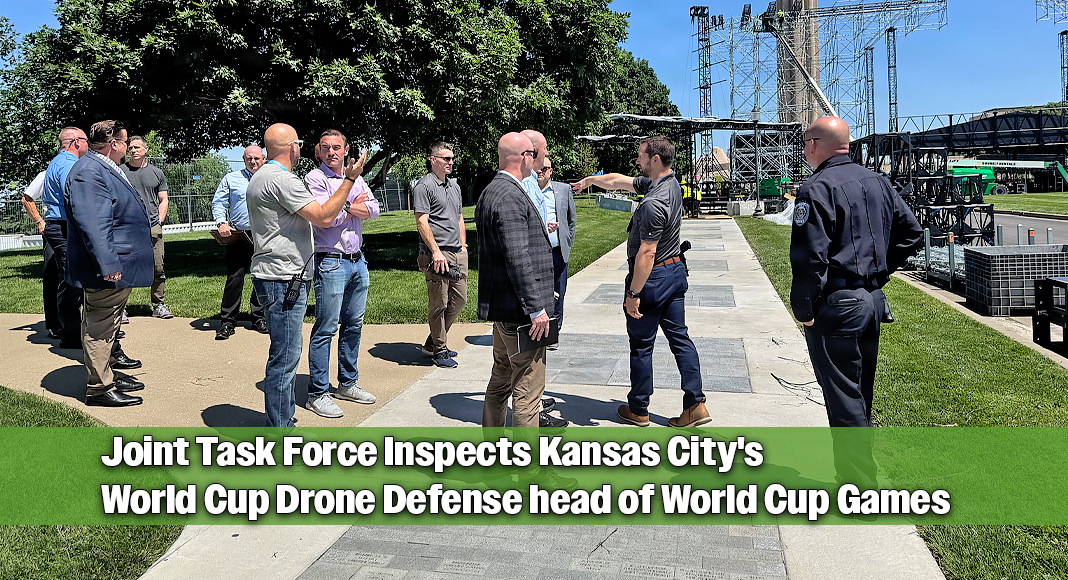
Joint Interagency Task Force 401 recently visited Kansas City, Missouri, to meet with federal, state, and local law enforcement and public safety partners ahead of the 2026 FIFA World Cup.
The visit highlighted Kansas City’s readiness and the interagency coordination required to protect facilities, fan areas and surrounding communities from unauthorized drone activity. JIATF 401 continues to share knowledge and best practices with World Cup host cities for countering illicit unmanned aircraft systems.



Kansas City public safety partners demonstrated how they are integrating air domain awareness, real-time operations and drone response procedures into broader World Cup security planning.
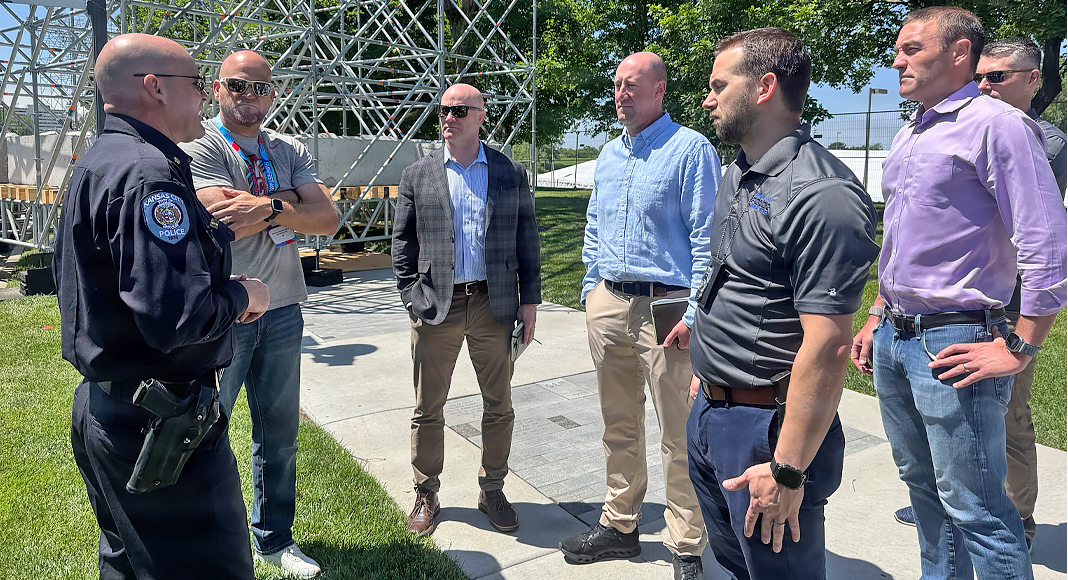
The visit included meetings with security personnel at Arrowhead Stadium and with local police, fire, emergency management, intelligence, aviation and federal law enforcement partners in fan zones. Representatives from the Department of Homeland Security, Federal Aviation Administration, Customs and Border Protection, FBI and Federal Air Marshals attended the visit, showcasing a whole-of-government effort in counter-drone preparations.
“Kansas City is ready because our federal, state and local partners have been preparing deliberately and working together from the start,” said Kansas City Police Department Maj. Greg Williams, who oversees the operational support division. “Our focus is on keeping fans, players, staff and the broader community safe, and that requires the kind of coordinated interagency effort we have built here.”
The War Department is supporting World Cup counter-UAS preparations in coordination with the White House FIFA World Cup Task Force by enabling access to more than $100 million in counter-UAS capabilities. Additionally, JIATF 401 provided crucial input in DHS- and FBI-led site protection plans across the 11 host cities, supported law enforcement training at the FBI’s National Counter-UAS Training Center and contributed to the War Department’s portion of the Counter-UAS Master Plan.
“Major national security events require high levels of coordination between the entire federal government and our local public safety partners,” said Army Brig. Gen. Matt Ross, director of JIATF 401. “Kansas City’s emphasis on a strong, layered, counter-drone defense will be crucial to the safety of fans and facilities at the World Cup.”