






Texas Border Business

By Roberto Hugo González
Texas Border Business
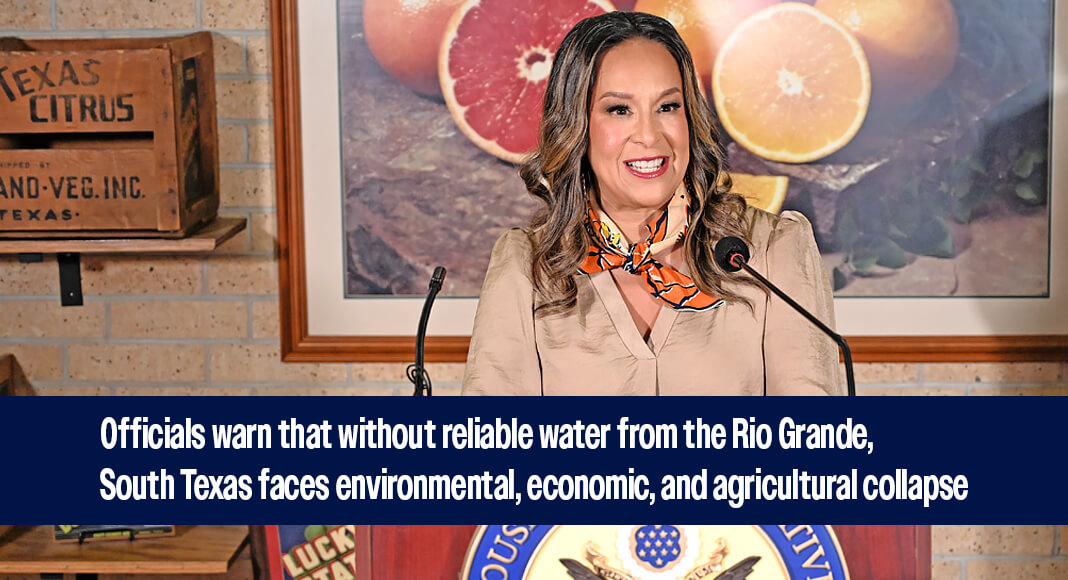
MISSION, Texas — At a press conference hosted by the Texas International Produce Association (TIPA) on Friday, October 10, 2025, regional leaders, business officials, and lawmakers called for immediate action to address what they described as a mounting crisis of water scarcity in the Rio Grande Valley. The group urged the U.S. government to make Mexico’s compliance with the 1944 Water Treaty enforceable through the United States-Mexico-Canada Agreement (USMCA).

The event, held at the TexaSweet Building in Mission, gathered key figures including U.S. Congresswoman Monica De La Cruz, Texas Citrus Mutual President Dale Murden, Elsa Economic Development Corporation Executive Director Daniel Rivera, and Texas International Produce Association President and CEO Dante Galeazzi. Together, they outlined how Mexico’s failure to deliver water as required by treaty obligations has left millions of people, thousands of farmers, and the region’s ecosystem in jeopardy.
“For far too long—80 years—we have been held hostage by the Mexican government, which failed over and over to give us the water that they owed us,” said Congresswoman De La Cruz. “That’s why we lost our sugar cane industry—over 500 jobs and millions of dollars gone. That will not happen under my watch.”
De La Cruz, who represents South Texas in Congress, said her office has worked closely with federal agencies to push Mexico to fulfill its obligations. She noted that over the past year, Mexico has begun delivering overdue water and is expected to provide 420,000 acre-feet by the end of this month. “This is huge,” she said, “but our work does not end there. We need to put teeth on the 1944 Water Treaty.”
According to De La Cruz, the best path forward is to link the treaty to USMCA, the trilateral trade agreement governing commerce among the U.S., Mexico, and Canada. “Currently, under the 1944 Water Treaty, there are no consequences to the Mexican government if they fail to deliver,” she said. “By tying it to the USMCA, we create consequences—real, enforceable measures if they do not comply.”

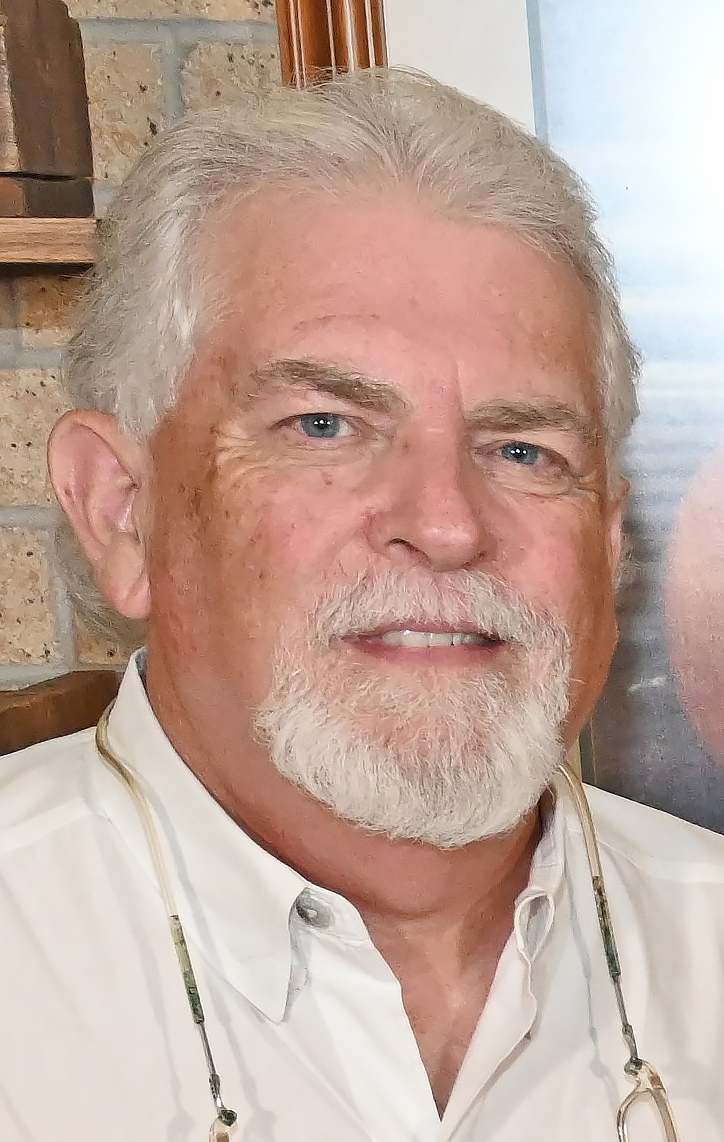
Dale Murden, who represents more than 400 citrus growers as president of Texas Citrus Mutual, emphasized that the issue extends far beyond agriculture. “Availability affects this region in every way,” Murden said. “Regional growth, the economy, the environment, agriculture, sustainability, and our community’s health all depend on water. The Rio Grande is our lifeline.”
Murden noted that over six million people rely on the river for drinking, sanitation, and public use. He added that repeated shortfalls by Mexico have left Valley cities “scrambling for emergency measures during droughts,” making long-term planning nearly impossible. “Reduced flows lead to dying wetlands, rising salinity, and loss of fish and wildlife habitat,” he said. “Protecting the river’s flow is protecting the Valley’s health, welfare, and future.”
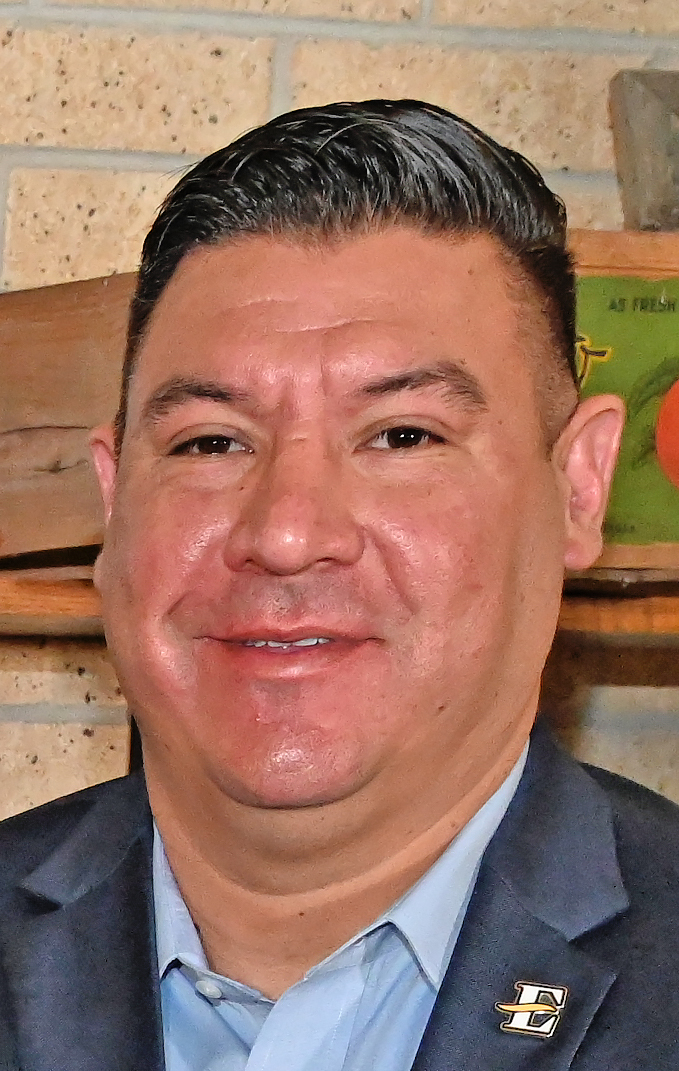
From an economic standpoint, Daniel Rivera of the Elsa Economic Development Corporation described how water shortages are already affecting communities and budgets. “In Elsa, we’re already paying almost three times as much for our water as we were a couple of years ago,” Rivera said. “That strains families and our city operations.”
Rivera said that without reliable water, growth slows, developers hesitate to invest, and confidence in the region’s economic future weakens. “Water is a foundation for every home we build, every business park we design, and every factory we hope to land,” he said. “The 1944 Water Treaty isn’t just an environmental agreement—it’s a trade issue. Water drives production, labor, and infrastructure—the very sectors USMCA was designed to strengthen.”
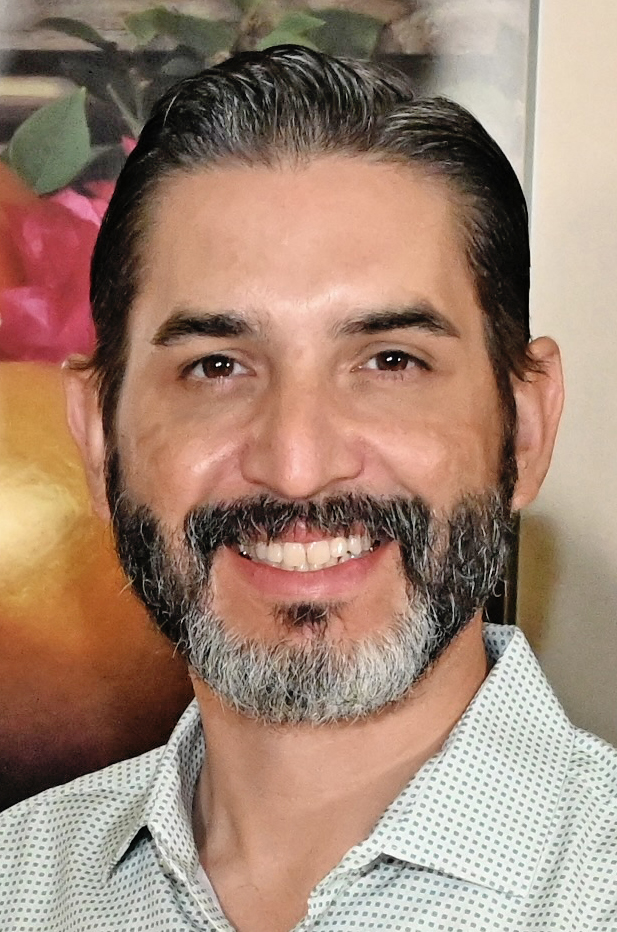
The agricultural toll has been severe. Dante Galeazzi, president and CEO of the Texas International Produce Association, said farmers have been forced to plant fewer crops for several consecutive years due to water scarcity. “More than 90 percent of our freshwater comes from the Rio Grande,” he said. “If there’s no water in that river, where are we going to get it?”
Galeazzi said farmers planted 30 percent fewer fruits and vegetables this past season—not by choice but by necessity. “It’s the third year in a row they’ve had to tell customers, ‘I’m sorry, I have nothing for you,’” he said. “It’s the third year they’ve had to tell their banks they’ll be short on payments. Some are asking themselves if it’s time to stop farming altogether. That’s not right. That’s not how it should be.”
All four speakers urged the public to participate in the U.S. Trade Representative’s open comment period before November 3, 2025, to support including the 1944 Water Treaty in the USMCA. Comments can be submitted through https://comments.ustr.gov/s/submit-new-comment?docketNumber=USTR-2025-0004
De La Cruz said public pressure is essential to show Washington the Valley’s unity and urgency. “We need the public to step in and make comments,” she said. “This is the time when the Rio Grande Valley can step up into the national light and really highlight the need for this treaty to be in the USMCA agreement.”
When asked what might happen if the effort fails, De La Cruz responded firmly, “I don’t know anything but success. There is no other option but to win here.”
Murden closed the event by reiterating the call for collective action. “We want to encourage public participation in the USTR comment process and highlight the importance of uniting the Valley’s voice on water security and environmental protection,” he said. “No water, no growth, no life. It’s that simple.”
At the conclusion of the event, attendees were provided with informational packets containing background materials and a QR code. The QR code takes readers directly to the U.S. Trade Representative’s comment portal, enabling the public to quickly participate in the feedback process and lend their voice to the campaign for water security in the Rio Grande Valley.
Residents across the Rio Grande Valley can take immediate action by submitting comments to the U.S. Trade Representative before November 3, 2025, through https://comments.ustr.gov/s/submit-new-comment?docketNumber=USTR-2025-0004 or by scanning the QR code below.

See related stories: