
















Texas Border Business




By Roberto Hugo González / Texas Border Business
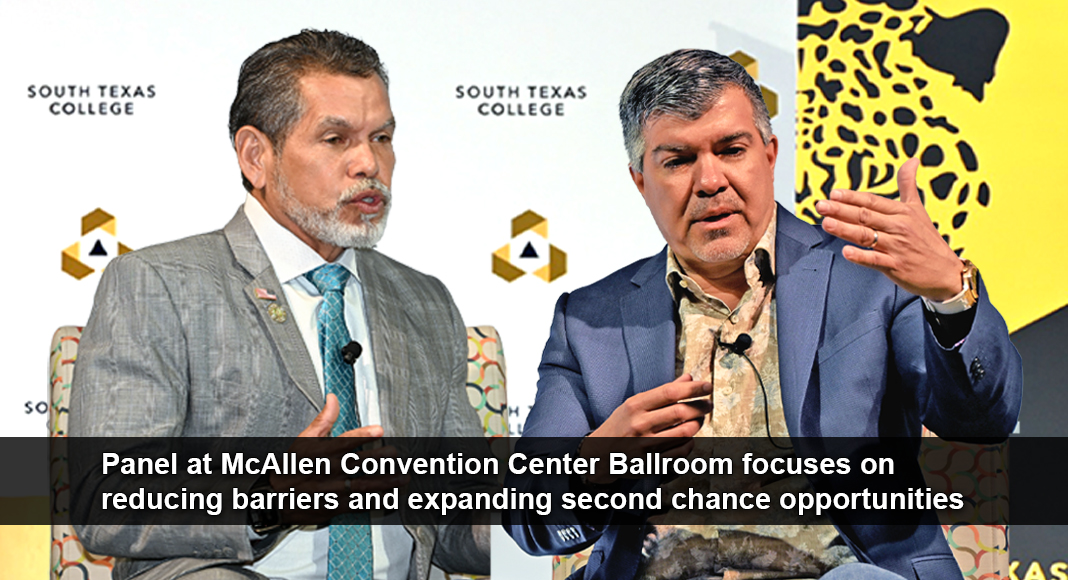
McAllen, Texas — Hidalgo County Commissioner Eduardo Eddie Cantu and Hidalgo County District Attorney Terry Palacios spoke during panel discussions on April 28, 2026, at the McAllen Convention Center Ballroom as part of the event “Rebuilding Futures, Advancing Second Chances through Policy, Partnership, and Purpose,” which aimed to address barriers faced by individuals impacted by the justice system.
Cantu participated in a panel on employment challenges faced by individuals with criminal records. He described how hiring practices can affect access to opportunity and said his perspective shifted after direct experience. “It opened my eyes to the situation that there was concern from people who had committed felonies,” he said, noting that a felony record often follows individuals long after they have completed their sentence.




Cantu emphasized equal consideration in hiring decisions. “If your application aligns with what we’re looking for, we’ll give you an interview,” he said, describing how his office evaluates applicants. He added that individuals with criminal records can be strong employees, stating, “They’re going to dedicate, and they’re going to work harder than most people.”
He also addressed the long-term consequences of criminal records. “When you’re convicted of something, you serve your time, you do your time, and that’s the way the system’s supposed to work,” Cantu said. “But yet this felony designation lasts a lifetime.” He noted that some individuals commit offenses at a young age but continue to be affected decades later.
During a separate panel focused on pretrial diversion and education, Palacios outlined changes to how his office approaches first-time offenders. He said his office plans to shift requirements in its diversion program. “Instead of having community service, we’re going to replace it with educational opportunities,” Palacios said, referring to partnerships with local institutions such as South Texas College.
Palacios explained that participants who complete educational programs could have their cases dismissed. “Once they complete that, their cases can be dismissed,” he said. He added that this approach is intended to provide a clear path forward. “If our young people can see a clear, achievable two-year plan, they’ll pursue it,” Palacios said.
He also highlighted the importance of awareness and access. “A lot of kids just want an opportunity, and a lot of times they don’t even know there’s opportunities like this out there,” he said, emphasizing the need for outreach to schools and communities.
The event brought together policymakers, educators, and community leaders to examine how collaboration can expand access to employment and education for justice-impacted individuals. Both panelists focused on reducing systemic barriers and increasing opportunities for individuals seeking to reenter the workforce and pursue education.
See related stories: