







Texas Border Business

Texas Border Business
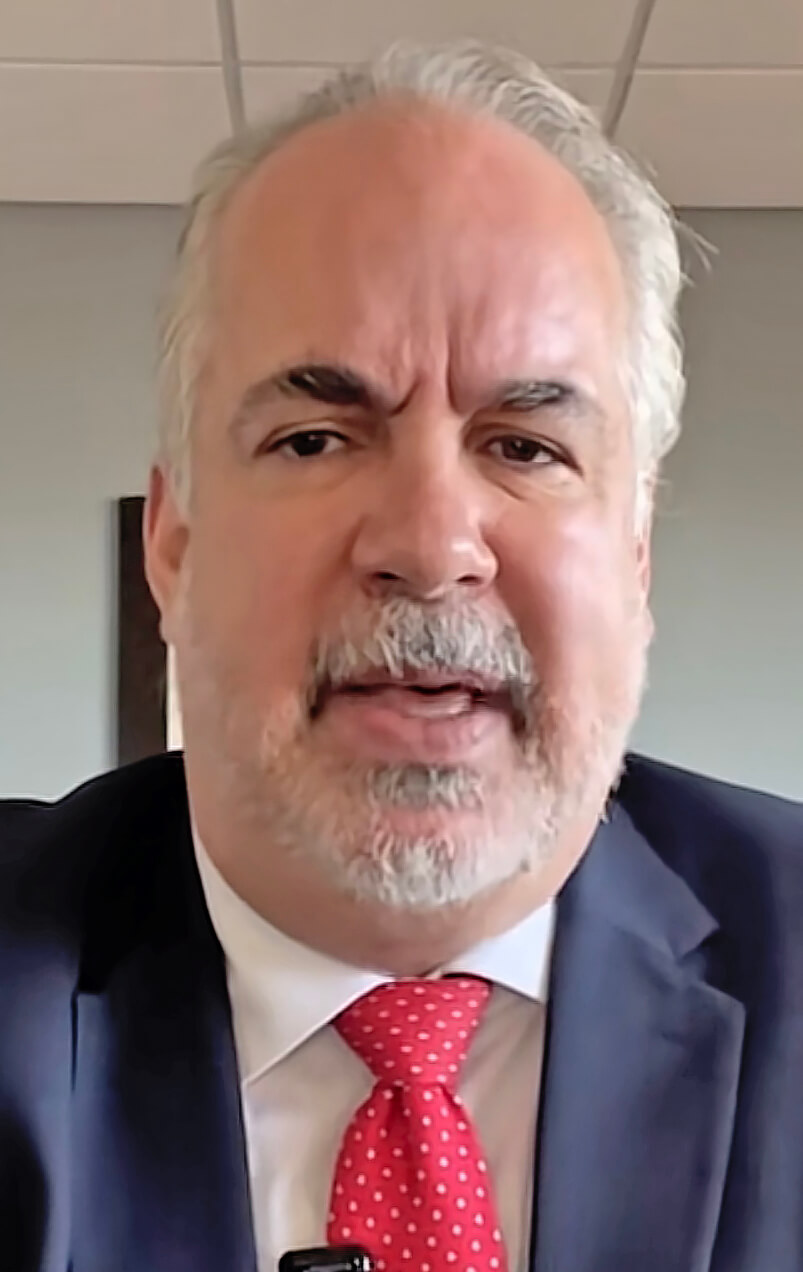
According to economist Alejandro Gómez Taméz, the U.S. government’s actions are a direct response to Mexico’s aviation missteps.
Mexico is facing serious economic and diplomatic consequences for what economist Alejandro Gómez Taméz calls on his TikTok account, “a political mistake disguised as air sovereignty.”
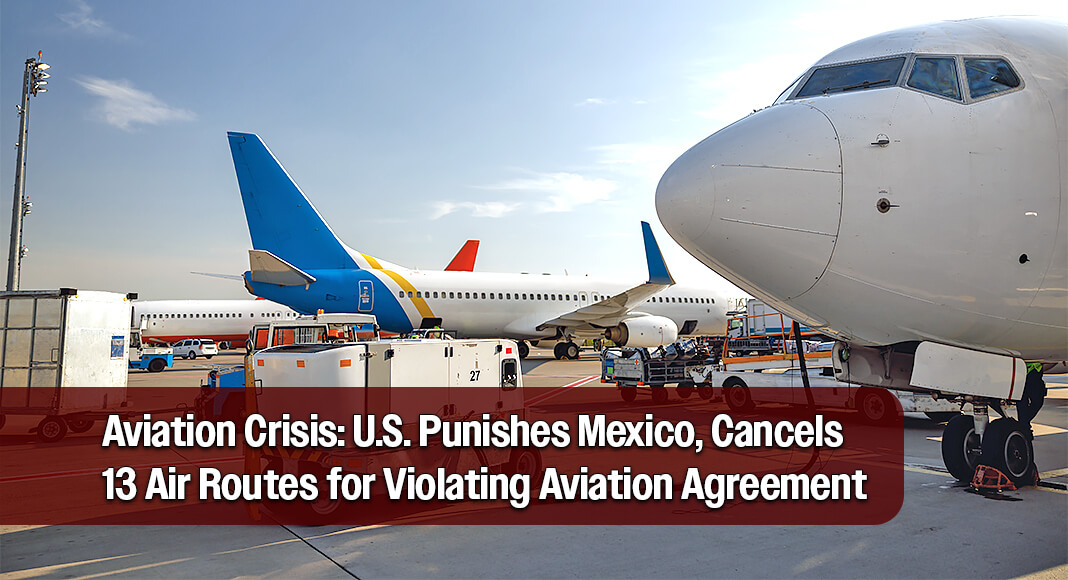
In his analysis on Economex, Gómez Taméz explained that the U.S. government’s cancellation of 13 airline routes between Mexico and the United States is not merely a technical dispute but a direct response to Mexico’s unilateral decisions that ignored international agreements and damaged confidence in the continent’s most important air corridor.
Watch the video blow:
According to Gómez Taméz, the crisis began in 2023 when the Mexican government decided to shut down cargo operations at Mexico City International Airport and forced airlines to relocate to Felipe Ángeles International Airport (AIFA). “The measure was imposed without dialogue, without planning, and without the promised infrastructure,” he said. At that time, the U.S. Department of Transportation warned that the move violated the 2015 Bilateral Air Transport Agreement, but Mexico insisted the change was temporary.
Three years later, that “temporary” decision has become permanent. In response, the U.S. Department of Transportation, led by Secretary Sean Duffy, revoked 13 flight permits for Mexican carriers including VivaAerobus, Volaris, and Aeroméxico, affecting routes to Houston, Dallas, New York, and Los Angeles.

Gómez Taméz noted that the order also bans combined passenger-cargo operations, commonly known as belly cargo, which carry pharmaceuticals, electronics, and auto parts essential to North American industries. “President Trump was very clear,” Gómez Taméz said. “Until Mexico stops playing games and fulfills its commitments, there will be consequences — and those consequences are now here.”
He emphasized that this is not just about canceled flights, but about Mexico’s credibility. Since 2022, the country has repeatedly failed to comply with the bilateral aviation agreement by denying flight slots to U.S. carriers, restricting cargo flights, and reducing operations at Mexico City’s airport without fulfilling promises to expand capacity.
Meanwhile, Mexican airlines continued expanding routes to the United States — an imbalance Washington saw as unfair. “The result is a direct blow to tourism, high-value exports, and jobs in the aviation sector,” Gómez Taméz warned. “The canceled flights don’t just mean fewer tourists or business trips — they also mean logistical delays for industries that rely on air transport, such as automotive, pharmaceutical, electronics, and medical device manufacturing.”
Gómez Taméz stressed that aviation is a cornerstone of Mexico’s export-driven economy. “Yet the government treated it as a political rather than a technical issue,” he said. “The worst part is that the United States is right in its complaint. It gave Mexico time to correct the problem, demanded explanations, even tolerated the chaos at AIFA — but nothing changed. Now the cost will be paid by passengers, airlines, and Mexican companies.”
While Washington has acted decisively, he said, the Mexican government has remained silent, with no visible response strategy, no transparency about the damage, and no acknowledgment of mistakes. “Officials keep repeating that everything is under control and that the decisions are sovereign — sovereign, yes, but clearly irresponsible,” Gómez Taméz remarked.
He also cautioned that the repercussions could spread beyond aviation, affecting key supply chains across North America. The restrictions could disrupt the flow of auto parts, electronics, and medicines that move daily by air. “Mexico produces only about four percent of the pharmaceutical ingredients it consumes,” Gómez Taméz explained. “The rest comes from India and China and moves through air routes shared with the United States. Any interruption can halt supply chains, raise costs, and damage competitiveness.”
According to his analysis, Washington’s message is clear: Mexico broke the rules, and the United States will not overlook it. By forcing airlines to move from Mexico City International Airport to AIFA, the Mexican government “disrupted a balance that took decades to build,” Gómez Taméz said.
“Trump interpreted this as a political game and decided to respond with power,” he concluded. “The air sanctions are only the first warning. If Mexico doesn’t change course, more trade restrictions will follow, complicating the USMCA review and eroding confidence in Mexico as North America’s reliable industrial partner.”
See related Stories: