







Texas Border Business

Texas Border Business
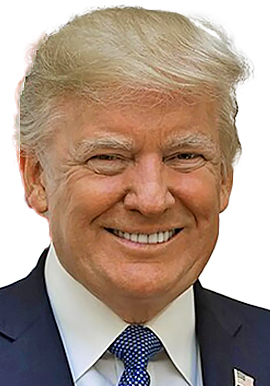
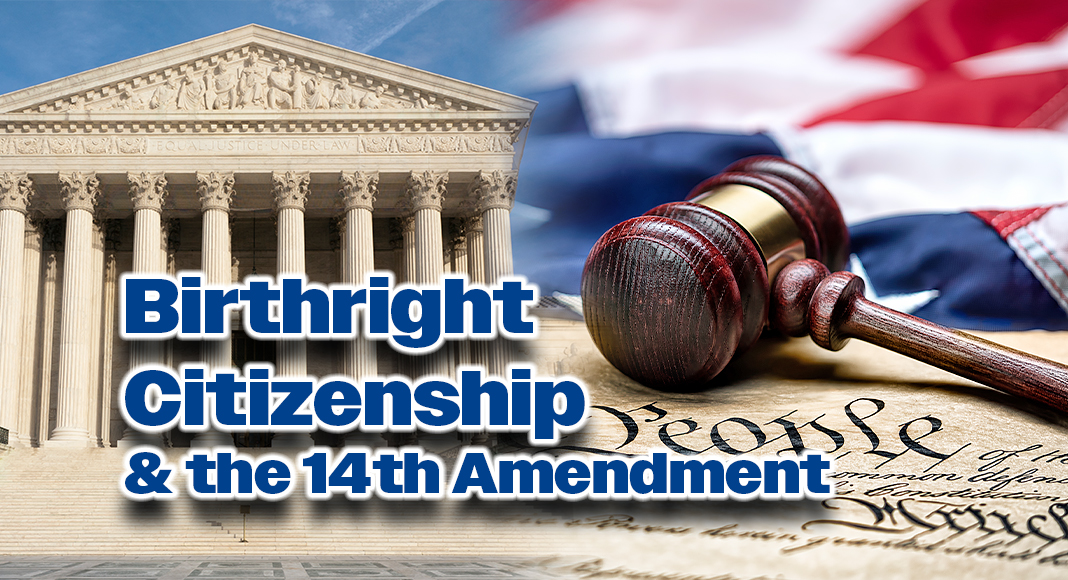
On January 20, 2025, President Donald Trump signed Executive Order 14160, titled “Protecting the Meaning and Value of American Citizenship.” The order seeks to change the current interpretation of the 14th Amendment by denying automatic U.S. citizenship to children born in the country if neither parent is a U.S. citizen nor a lawful permanent resident.
The policy reinterprets the phrase “subject to the jurisdiction thereof” in the Citizenship Clause of the 14th Amendment. It states that children born to undocumented immigrants or individuals holding temporary visas, such as students or tourists, are not entitled to citizenship by birth. The order applies to births occurring on or after February 19, 2025.

Legal challenges were filed immediately by civil rights organizations, immigration advocates, and attorneys general from 22 states. These lawsuits argue that the executive order contradicts the 1898 Supreme Court decision in United States v. Wong Kim Ark, which held that nearly all individuals born in the United States are citizens, regardless of their parents’ legal status.
Several federal judges have issued preliminary injunctions halting the implementation of the order, calling it likely unconstitutional. These rulings warn that the policy could create a class of stateless children and interfere with systems that depend on birthright citizenship for documentation and services.
The Trump administration has appealed these decisions, and the Supreme Court is scheduled to hear consolidated arguments on May 15, 2025. While the Court will consider the scope of lower courts’ authority to block federal policies, the core of the case involves the constitutional meaning of citizenship under the 14th Amendment.
A recent NPR/Ipsos poll shows that fewer than one-third of Americans support ending birthright citizenship. Analysts estimate that the executive order, if upheld, could affect more than 150,000 births annually and have long-term legal and social consequences.
The Supreme Court’s forthcoming decision will likely have a profound impact on U.S. immigration policy and constitutional law related to citizenship rights.