







Texas Border Business

Texas Border Business
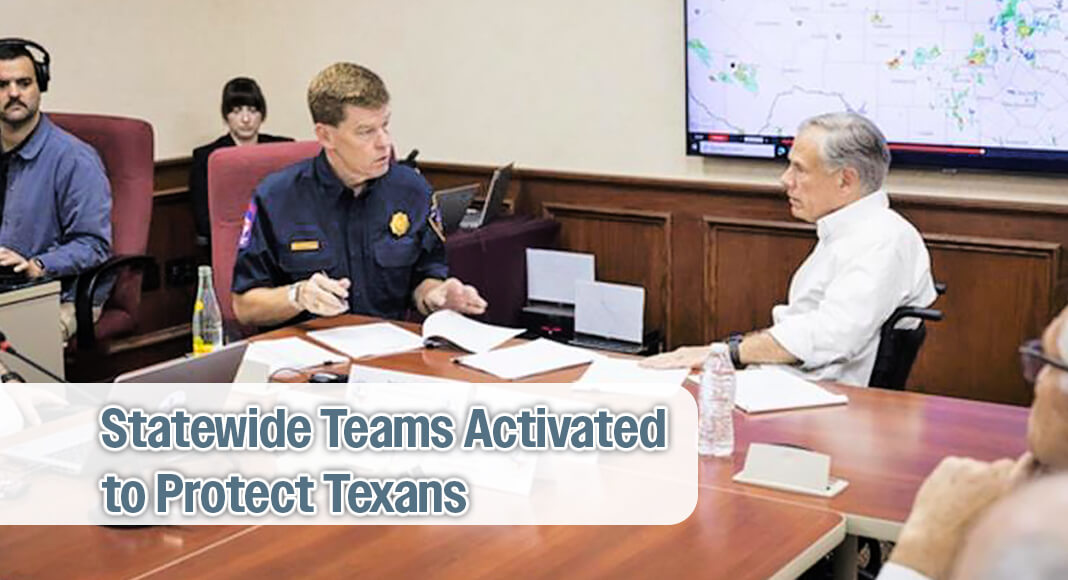
Governor Greg Abbott has reaffirmed the State of Texas’s commitment to flood response and recovery operations as large parts of the state continue to face the threat of heavy rainfall and flash flooding. In a recent statement, the Governor urged residents to remain cautious and closely follow public safety guidance. “Texans are encouraged to remain weather aware, heed the guidance of state and local officials, and regularly monitor road conditions at DriveTexas.org,” Governor Abbott said.
To support the widespread emergency response, the state has deployed over 1,500 personnel and more than 925 vehicles and equipment assets. More than 20 state agencies are actively involved in addressing the flooding threat and assisting local authorities across affected regions.

Governor Abbott emphasized that the state remains fully engaged, with extensive interagency coordination in place to address the evolving crisis. Under his direction, the following state agencies and specialized teams are actively deployed:
• Texas Division of Emergency Management (TDEM) has mobilized the State of Texas Incident Management Team, regional field staff, Incident Support Task Force, Disaster Recovery Task Force, and Voluntary Agency Liaisons. These units provide direct support to communities, coordinate local needs, and guide ongoing recovery efforts.
• Texas A&M Engineering Extension Service (Texas A&M Task Force 1 and Texas Task Force 2) has deployed Swiftwater Rescue Boat Squads to aid in rescues from rising waters.
• Texas Parks and Wildlife Department has committed Game Wardens, rescue boat teams, and helicopters with hoist capabilities for direct rescue missions.
• Texas Department of Public Safety (DPS) has contributed helicopters with hoist equipment, Texas Highway Patrol Troopers, and its Tactical Marine Unit to assist in high-risk operations.
• Texas National Guard is operating high-profile vehicles to rescue stranded motorists, Blackhawk helicopters for aerial hoist rescues, and personnel to conduct shelter operations and damage assessments.
• Texas Department of Transportation (TxDOT) is monitoring and managing road conditions, ensuring safety and accessibility during emergency operations.
• Texas A&M Forest Service has dispatched saw crews to help clear storm debris from roadways, ensuring that emergency routes remain open.
• Texas A&M AgriLife Extension Service has deployed Disaster Assessment and Recovery Agents and County Extension Agents to support livestock and agricultural recovery needs.
• Public Utility Commission of Texas is monitoring power outages and coordinating with utility providers to ensure timely restoration of service.
• Railroad Commission of Texas is monitoring the state’s natural gas supply and staying in communication with the oil and gas industry to prevent disruptions.
• Texas Commission on Environmental Quality is performing air, water, and wastewater monitoring in flood-affected areas to ensure public health and safety.
• Texas Department of State Health Services, through the Texas Emergency Medical Task Force, has deployed Severe Weather Support Packages, including medics, ambulances, and all-terrain vehicles.
• Texas A&M Veterinary Emergency Team is providing veterinary medical support to animals affected by the disaster.
• Texas Department of Agriculture is assisting impacted producers and coordinating agricultural disaster response.
• Texas Alcoholic Beverage Commission (TABC) is supporting law enforcement coordination in impacted areas.
• Texas Department of Insurance is offering guidance to affected residents regarding flood-related insurance claims.
• Texas Department of Licensing and Regulation is working with regulated professionals and industries involved in the recovery effort.
• Lower Colorado River Authority (LCRA) is handling river monitoring, floodgate operations, and providing flood response assistance.
• Texas A&M Public Works Response Team is engaged in assessing and helping repair public infrastructure across flood zones.
Officials continue to request that impacted Texans document and report any damage via the Individual State of Texas Assessment Tool (iSTAT) when it is safe to do so. Residents can submit damage reports related to homes or businesses at damage.tdem.texas.gov. “These details are vital to help officials identify impacted areas and connect Texans with resources,” the Governor’s office stated.
Governor Abbott continues to take additional actions to ensure affected communities receive the support they need. These actions include:
• Securing federal assistance through a Major Disaster Declaration signed by President Donald Trump
• Amending the state’s disaster declaration to cover more affected counties
• Providing updates on the state’s efforts in heavily impacted areas, including Kerr County
• Raising the readiness level of the State Operations Center to Level II (Escalated Response)
• Proactively deploying response assets ahead of expected rainfall and flash flooding threats
As Texas continues to face hazardous conditions, residents are urged to remain vigilant, avoid flooded roadways, and seek up-to-date information through official channels. Flood safety resources and emergency contact details are available at disaster.texas.gov.
See related stories: