





Texas Border Business

By Joey Gomez
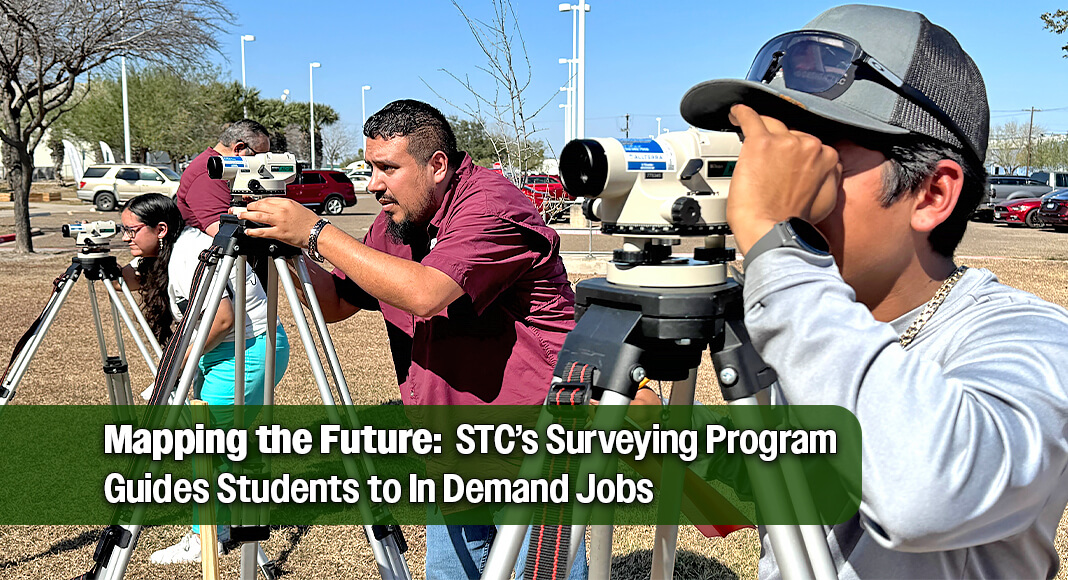
McALLEN, Texas – South Texas College is preparing the next generation of land surveyors and geospatial technology professionals through a program that is stepping up to meet a growing workforce demand across the Rio Grande Valley and Texas.
With a shortage of licensed surveyors statewide and an increasing need tied to development, real estate and infrastructure projects, STC’s Surveying and Geospatial Technology program is positioning students for careers in a field many may not know about, but that plays a vital role in everyday life.

Program Coordinator Manuel “Manny” Carrizales said the demand for surveyors continues to rise as much of the current workforce nears retirement age and fewer newcomers enter the profession.
“To put it into perspective, imagine if there were only three dentists in the entire Valley. That’s kind of where we’re at with land surveyors,” Carrizales said. “At STC, we are proud to lead the way in creating the next group of professionals who will enter a career that is seeing increasing demand.”
The demand for licensed professionals has increased statewide, which is creating significant opportunities for students pursuing careers in the field, Carrizales said. While surveyors play a behind-the-scenes role, their role is essential whenever property changes owners or land boundaries must be verified, he said.
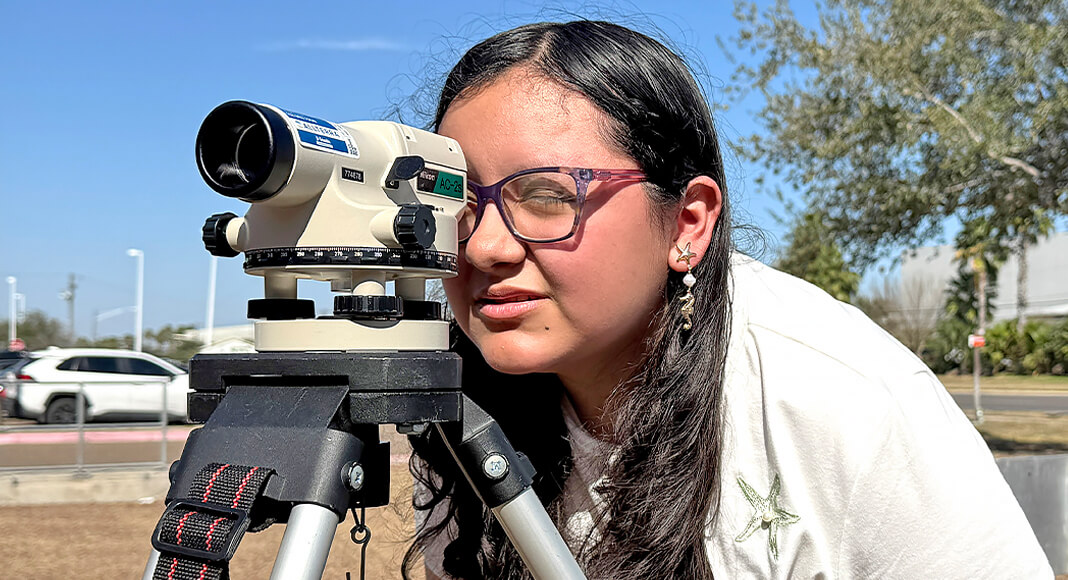
“Most people will need a surveyor before they need an engineer,” Carrizales said. “The minute you buy a house, buy property or inherit land, you know you are going to need a land surveyor.”
At STC, the program prepares students for the education and exam requirements needed to become licensed while connecting them to employers actively seeking new talent. Carrizales said industry partners frequently contact him directly when they are hiring.
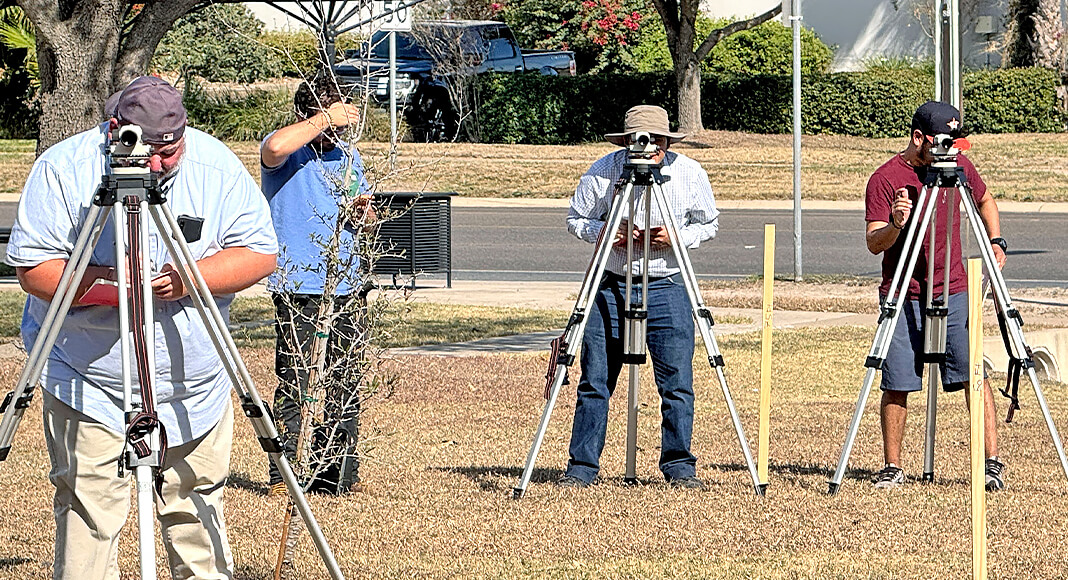
Faculty member Jesus Amaya said industry connections help translate classroom instruction into real-world experience. Local surveying firms regularly reach out to the program in search of students who can draft, operate equipment or assist in fieldwork.
“We have many representatives in the industry who are always looking for students who want to work,” Amaya said. “As faculty in the program, we take on this role to make sure they are ready for the demands of the job.”
One of the program’s recent graduates, Juan Olivarez, said that industry connections helped him transition quickly into the workforce.
Olivarez, who graduated in May 2025, with an associate degree in Geospatial Technology, said his coursework in boundary principals and case studies continues to guide his day-to-day on the job.
Initially pursuing a degree in Computer Science, Olivarez said a suggestion from his mother led him to explore surveying, where he discovered a career that allowed him to work both indoors and outdoors.
He began building professional connections early, landing a job in the field during his second semester at STC.
“I was in the surveying program, and I am now working for a land surveying company,” he said. “A lot of what I learned in my classes is definitely applicable to what I am doing now. Things like understanding boundaries, and the court cases we studied in class for example, makes me more well-rounded to make critical decisions at work.”
Carrizales said many students enter the program without knowing exactly what surveying entails, so instructors focus on helping them explore the profession and its opportunities.
At STC, the program combines traditional surveying principles with modern geospatial technology, which is a blend that brings cutting-edge tools to an ancient profession, he said.
Students learn to use Global Positioning System (GPS), satellites and mapping systems while also studying Texas boundary law and land history.
“Your phone will get you from here to a restaurant in California,” Carrizales said. “Surveying will get you to the nickel that’s thrown on the sidewalk next to the fire hydrant at the restaurant.”
Now employed in the industry, Olivarez said the variety of projects, from mortgage surveys and real estate transactions to engineering and government work, highlight the field’s opportunities.
“You can work with banks, realtors and engineers…you can work with oil companies or for the government,” he said. “The key in this profession is just persistence. Make connections while you’re at STC. That how I managed to secure my job quickly.”
For more information about STC’s Surveying and Geospatial Technology program, visit southtexascollege.edu/academics/surveying/.
Information source: STC