






Texas Border Business

Texas Border Business
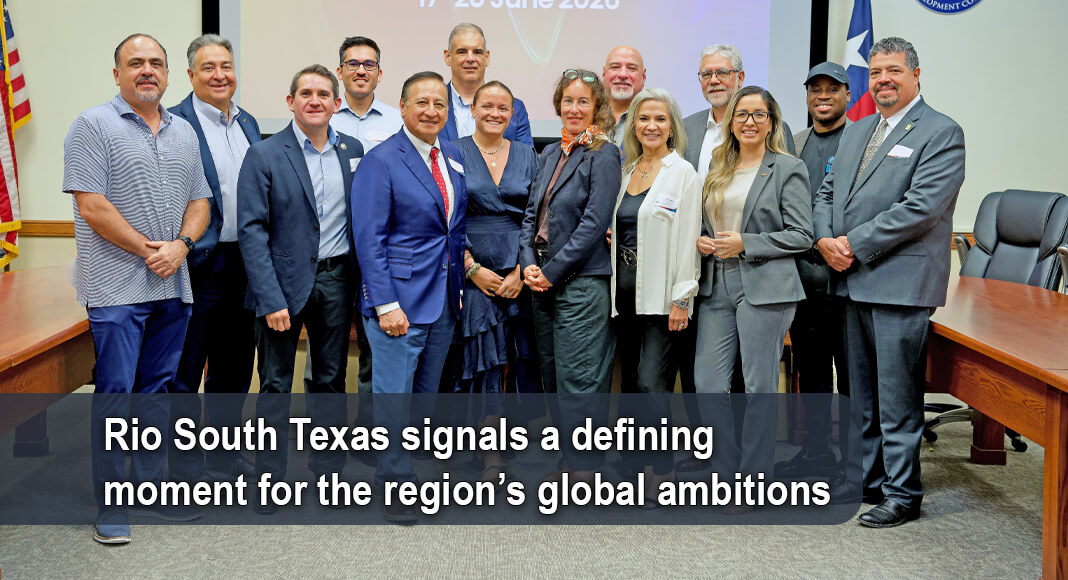
The recent visit by representatives of Viva Technology, Europe’s leading platform for tech, startups, and innovation, to Rio South Texas signaled a defining moment for the region’s global ambitions. More than just a meeting of minds, the event served as a catalyst for building high-impact connections between international innovation leaders and South Texas’ dynamic manufacturing and entrepreneurial ecosystem.
A Cross-Continental Dialogue

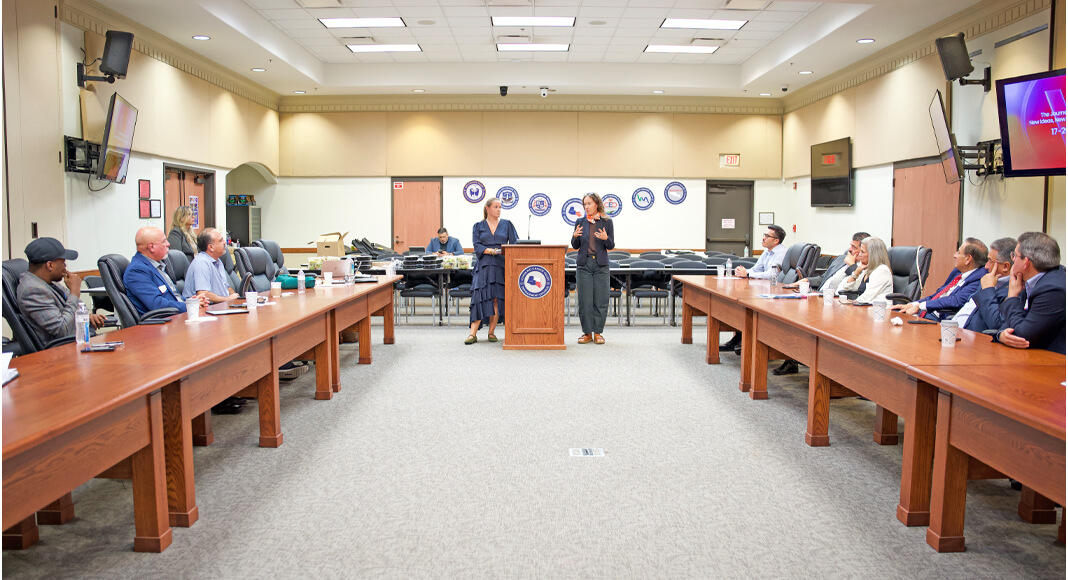
Spearheading the VivaTech delegation were Julie Lamandé, Head of Global Partnerships and Public Affairs, and Maud Lasfargues, Key Account Manager. Their visit to the region was not only symbolic, but it was also strategic. Both executives engaged directly with local economic development leaders, incubators, and industry stakeholders to explore how Rio South Texas can align itself with international innovation trends and integrate more deeply into the global tech conversation.
Their presence underscored VivaTech’s commitment to looking beyond the traditional innovation centers of Europe and Silicon Valley, and toward emerging industrial corridors like Rio South Texas, where technology, logistics, and manufacturing already coexist in powerful ways.
Rio South Texas on the Global Radar
The visit was organized by the Council for South Texas Economic Progress (COSTEP) and brought together stakeholders from across the seven-county region. The dialogue focused on positioning Rio South Texas as a natural partner for global tech platforms, thanks to its advanced manufacturing base, cross-border supply chains, and growing number of incubators and accelerators.

From discussions on clean energy and Industry 4.0 to the region’s potential as a testbed for smart manufacturing, it was clear that the area’s assets are ready to meet the global moment.
Competitive Edge: Binational Strength
One of the key points emphasized during the visit was the region’s proximity to, and integration with, northern Mexico. Unlike other tech hubs that operate in siloed national markets, Rio South Texas is inherently binational, with infrastructure, workforce, and industry flowing seamlessly across the border. This gives it a competitive advantage few other regions can claim.
As global supply chains continue to be reimagined and technology increasingly redefines manufacturing, Rio South Texas is well-positioned to serve as a gateway for innovation across two countries, and two continents.
Final Thoughts
The participation of Julie Lamandé and Maud Lasfargues in this strategic exchange signals more than an interest in South Texas, it affirms the region’s place on the global map of emerging tech ecosystems. The challenge now is to keep the door open, maintain the dialogue, and build programs that create real impact for local startups, manufacturers, and innovators.
VivaTech’s visit was just the beginning. What happens next will define whether Rio South Texas becomes a participant, or a leader, in the global innovation economy.