







Texas Border Business

By Roberto Hugo González
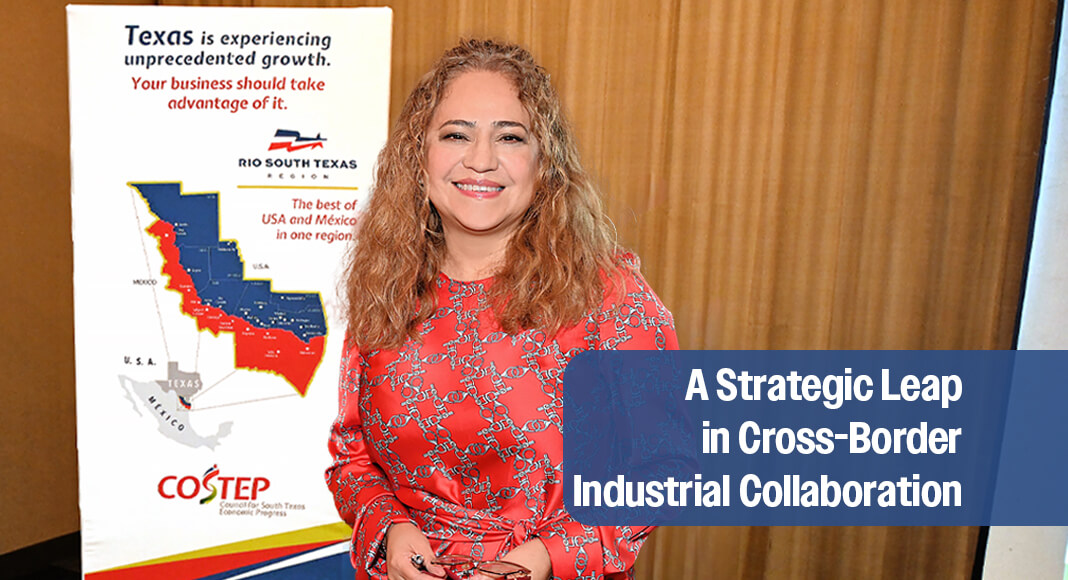
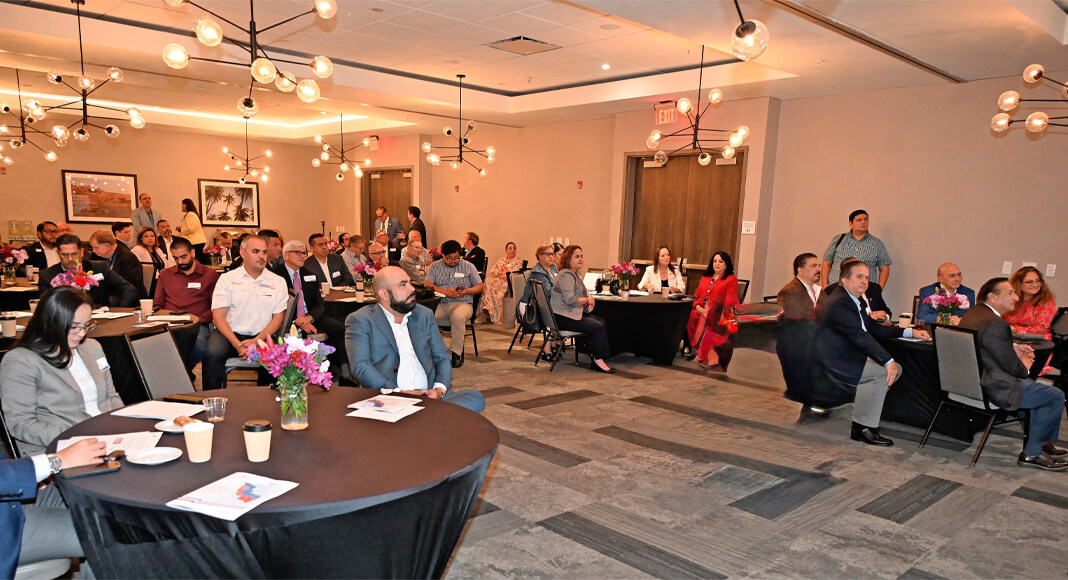
The first official strategy meeting for the Rio South Texas Binational Auto Cluster Initiative, hosted by COSTEP, Council for South Texas Progress, and held on July 8, 2025, marked a pivotal moment in the region’s economic development trajectory. A follow-up to earlier conversations initiated by the University of Texas Rio Grande Valley (UTRGV), the meeting brought together leaders from both sides of the U.S.-Mexico border, sharing the goal of establishing a comprehensive, cross-border automotive cluster.
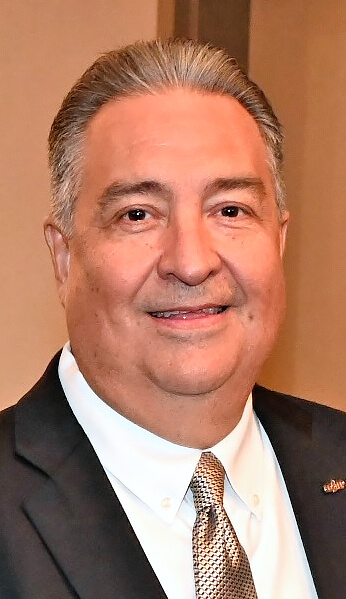
Adam Gonzalez, CEO of COSTEP, the Council for South Texas Progress, opened the meeting by emphasizing a transformative opportunity: to formally connect Rio South Texas with Northern Tamaulipas in a unified binational automotive cluster. “Tamaulipas has already been working for some time to develop an auto cluster,” Gonzalez said, “while on the U.S. side, we’ve been exploring this idea since the latter part of last year.”

He emphasized that although successful auto clusters exist across the United States, they are largely concentrated in northern regions. “That’s part of what makes this initiative so important and timely,” he explained. The absence of a structured cluster in the border region presents not a disadvantage, but a unique starting point for tailored, region-specific development.
Gonzalez highlighted support from regional stakeholders, noting recent discussions with San Antonio representatives and the Texas Manufacturing Assistance Center (TMAC), which encouraged the region to “pursue an auto cluster of our own.” That momentum, he said, confirmed that “now is the right time to kick off this effort.”
The urgency also stems from the need to address talent retention. “Too many of our young people leave—because we don’t yet have the industries or job opportunities to retain them,” Gonzalez stated. He pointed out that the region already hosts more than 140 auto manufacturing operations; yet, the lack of coordinated promotion and development has limited the region’s ability to capitalize on these assets fully.
Gonzalez proposed the creation of collaborative working groups that involve economic development organizations, manufacturers, entrepreneurs, and higher education institutions. “It won’t be written behind closed doors,” he affirmed. “It’ll be shaped by all of us—by this region, for this region.”

In closing, he introduced guest speaker Elisa Crespo as someone whose deep experience in auto cluster development in Mexico could serve as a critical model for the region. “Creating something regional isn’t just a positive step—it’s a necessary one for the future of this area,” Gonzalez said.
Elisa Crespo, a national authority in automotive industrial policy and President of the Metropolitan Automotive Cluster in Central Mexico, delivered a high-impact presentation focused on competitiveness, digital transformation, and workforce evolution.
With over 25 years of experience in the sector and 13 years leading one of Mexico’s most successful clusters, Crespo offered practical insights drawn from her work representing more than 30 million people across Hidalgo, Mexico City, and the State of Mexico.
“Our model is disruptive,” she explained. “We began with five companies. Today, we are 160 strong, with 10 global anchors like Bosch and Siemens leading strategy in manufacturing and innovation.” This scale, she emphasized, allows the cluster to drive meaningful change at the national level, including direct engagement with Mexico’s Ministries of Education and Economy.
Crespo challenged stakeholders to stay focused on competitiveness amid distractions like tariffs, labor reform, and regulatory uncertainty. “I invite you to leave all that at the door,” she said, “and focus on what really matters: competitiveness, which is the backbone of any cluster.”
She pointed to macro trends reshaping the industry: automation, electrification, and autonomous driving. These shifts, she explained, demand a new kind of workforce—one equipped with both technical skills and adaptability. “Despite tariffs, Mexico remains the No. 1 supplier to the U.S.—and will continue to be. Our best weapon is continuous upskilling,” she said.
Drawing on a comprehensive study supported by the Inter-American Development Bank, Crespo presented a taxonomy of 178 future job roles in areas like product engineering, supply chain, manufacturing, and customer service. Each role integrates digital, robotic, and AI competencies, alongside essential soft skills. “Technology transforms, it doesn’t displace. Human value surpasses machines,” she emphasized.
She also highlighted global manufacturing trends, noting that while China leads in both low- and high-end exports, North America—anchored by Mexico—remains a hub for high-end production and innovation. “Mexico must invest aggressively in innovation, education, and manufacturing depth,” she warned.
Crespo offered practical recommendations: developing virtual training centers, mapping regional capabilities, fostering SME-global firm collaboration, and building stronger education-industry linkages. She cited initiatives like BMW’s online learning model and Toyota’s immersive simulator training as examples to follow.
She concluded with a clear call to action: “Educate today to win tomorrow. Lead boldly. Mexican talent shines globally.” Her remarks resonated strongly with the audience, most of whom identified with her progressive vision of accelerated change, adaptation, and international integration.
As the meeting adjourned, the tone was clear: Rio South Texas is not just exploring a cluster—it is laying the groundwork for one of the most innovative and collaborative binational industrial ecosystems in North America.
This initiative, as Gonzalez noted, “may be the first binational cluster of its kind in our region, but it doesn’t have to be the last.”