








Texas Border Business

Texas Border Business
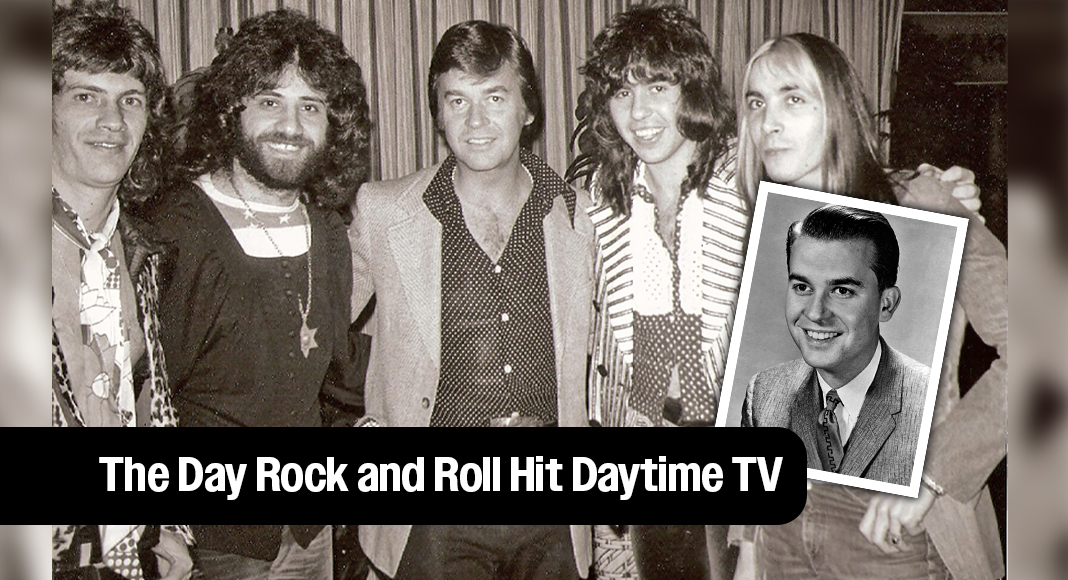
On August 5, 1957, American Bandstand made its national television debut on ABC-TV, marking a turning point in American popular culture. The program, hosted by a then-27-year-old Dick Clark, brought teenagers, rock and roll music, and dance directly into the homes of millions of Americans each weekday afternoon.
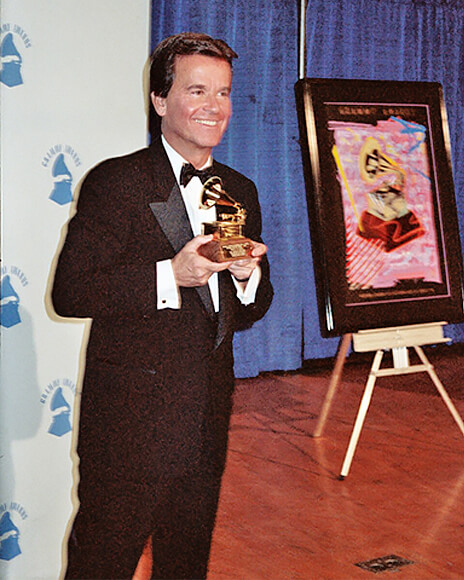
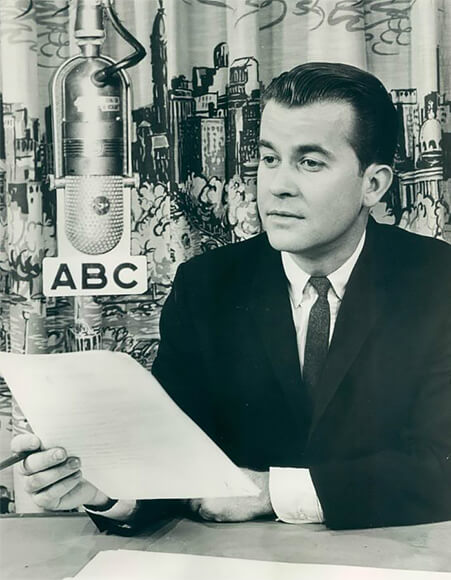
The show was not entirely new to television audiences. It began as a local program in Philadelphia in 1952 under the title Bandstand, airing on WFIL-TV and initially hosted by Bob Horn. Dick Clark assumed hosting duties in 1956 after Horn was dismissed. Clark, a young radio announcer at the time, later recalled that taking over the show “was one of the biggest breaks in my life.”

ABC recognized the show’s popularity and its potential to tap into the growing teenage market. The network picked up the program for national broadcast, and on August 5, 1957, American Bandstand aired live from Philadelphia. The format was simple yet groundbreaking: teenagers dancing to Top 40 records, punctuated by interviews and musical performances, often lip-synced by the artists. “It’s got a good beat, and you can dance to it” became a familiar phrase from the show’s record-rating segment.
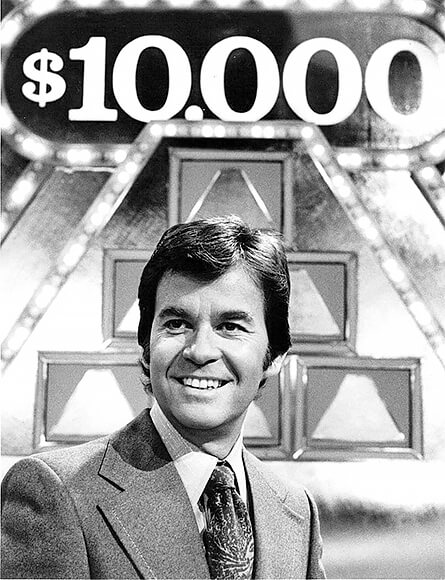
American Bandstand offered something rarely seen on television at the time—a daily platform for teenagers to be seen and heard, and for the music industry to reach its most passionate audience. As John A. Jackson writes in American Bandstand: Dick Clark and the Making of a Rock ‘n’ Roll Empire, the program “set the standard for music television” and helped shape “youth culture in America” during the second half of the 20th century.
The show also introduced America to a roster of musical acts that would become icons. Early performers included Jerry Lee Lewis, Buddy Holly, and Paul Anka. Over the decades, it helped launch or elevate the careers of artists like Stevie Wonder, The Jackson 5, Madonna, and Prince. According to the Museum of Broadcast Communications, Clark “insisted on having performers who reflected what young America was listening to,” and this made the program a reliable barometer of pop music trends.
Although American Bandstand has often been celebrated for its cultural impact, its early history is undocumented, primarily through visual means. Only one episode from the 1950s survives: the broadcast from October 7, 1957. Most other episodes were either aired live without being recorded or were later discarded, a common practice in the early days of television.

The program’s influence extended beyond music. It introduced fashion trends, slang, and new dance styles to a national audience. At a time when television was still largely conservative, American Bandstand gradually pushed social boundaries. Though initially segregated like much of American media, Dick Clark made efforts to integrate the show, booking African American artists and inviting integrated audiences—moves that occasionally put him at odds with Southern affiliates. “Clark’s Bandstand quietly broke racial barriers,” notes the Rock and Roll Hall of Fame, “helping Black performers reach mainstream audiences.”
American Bandstand remained on the air for 32 years, continuing until 1989. The show moved from Philadelphia to Los Angeles in 1964, adapting its sound and style to changing musical landscapes. Clark remained its host throughout its run, earning the nickname “America’s Oldest Teenager” for his enduring youthful image and close rapport with the teen audience.
Though the show’s original set and most of its early footage have been lost, its legacy remains preserved in the cultural memory of multiple generations. As Clark himself once said, “Music is the soundtrack of your life, and American Bandstand played that music for millions.”
This is the only 1950s episode of Bandstand that still exists in full. Watch the video below: