








Texas Border Business

Texas Border Business
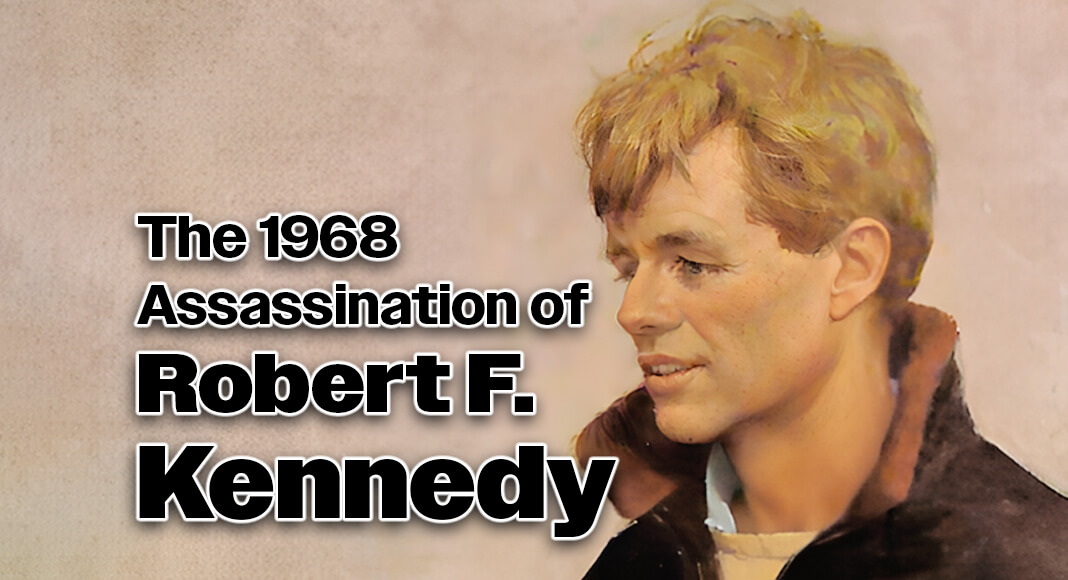
Washington, D.C. — The U.S. government has released approximately 10,000 pages of documents related to the 1968 assassination of Senator Robert F. Kennedy, offering a rare and detailed glimpse into one of the most controversial political killings of the 20th century.
The records, made public on Friday, April 18, 2025, through the National Archives and Records Administration (NARA), include investigative files, internal memos, and — most notably — handwritten notes from Sirhan Sirhan, the man convicted of Kennedy’s murder.

Sirhan, a Palestinian immigrant, was arrested at the scene of the shooting at the Ambassador Hotel in Los Angeles on June 5, 1968. He was later convicted of first-degree murder and sentenced to life in prison. For decades, the case has been the subject of intense scrutiny and speculation, including alternative theories and calls for further investigation from some members of the Kennedy family.
Among the newly disclosed documents are pages from Sirhan’s notebooks, which prosecutors previously cited as evidence of premeditation. The notes include cryptic phrases and references to Kennedy’s support for Israel — a possible motive that shaped the prosecution’s case.
Researchers and public members can now access the full archive via the National Archives’ official website under the section labeled “Robert F. Kennedy Assassination Records Collection.” The files are also available for in-person review at the National Archives facility in College Park, Maryland.
While many of the documents reaffirm established accounts, some entries are expected to fuel renewed debate over whether Sirhan acted alone or was part of a conspiracy — a theory long floated by skeptics of the official narrative.
Historians and transparency advocates have welcomed the release. “This is an important step toward fuller public understanding,” said Dr. Andrea Cullen, a political historian at Georgetown University. “The Kennedy assassination, like his brother’s, remains a wound in American memory. Greater access to these records helps clear the fog of speculation.”
The release comes during ongoing efforts to declassify historic government records, spurred in part by public demand for greater transparency in high-profile cases involving political violence and intelligence operations.
For access to the documents, visit the National Archives’ online portal at: https://www.archives.gov/research/rfk