







Texas Border Business

By Joey Gomez
McALLEN, Texas – South Texas College has officially launched its Cybersecurity Clinic designed to help local businesses in cyber defense planning.
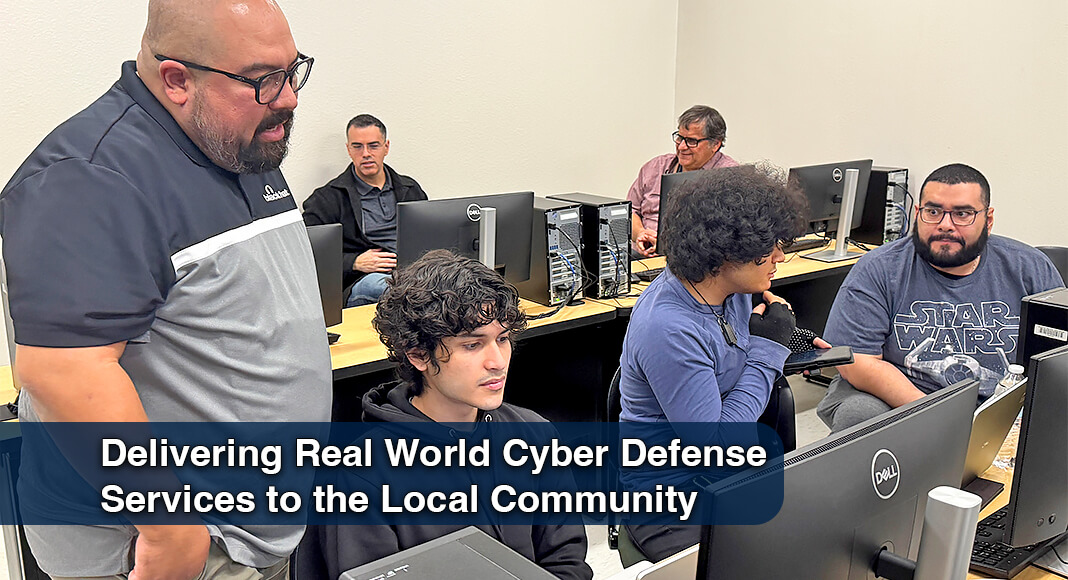
STC’s Cybersecurity Program held an orientation for its first-ever cohort of 12 students selected from the college’s bachelor’s program in Computer and Information Technologies (CIT) as well as its cybersecurity associate and certificate degree programs.

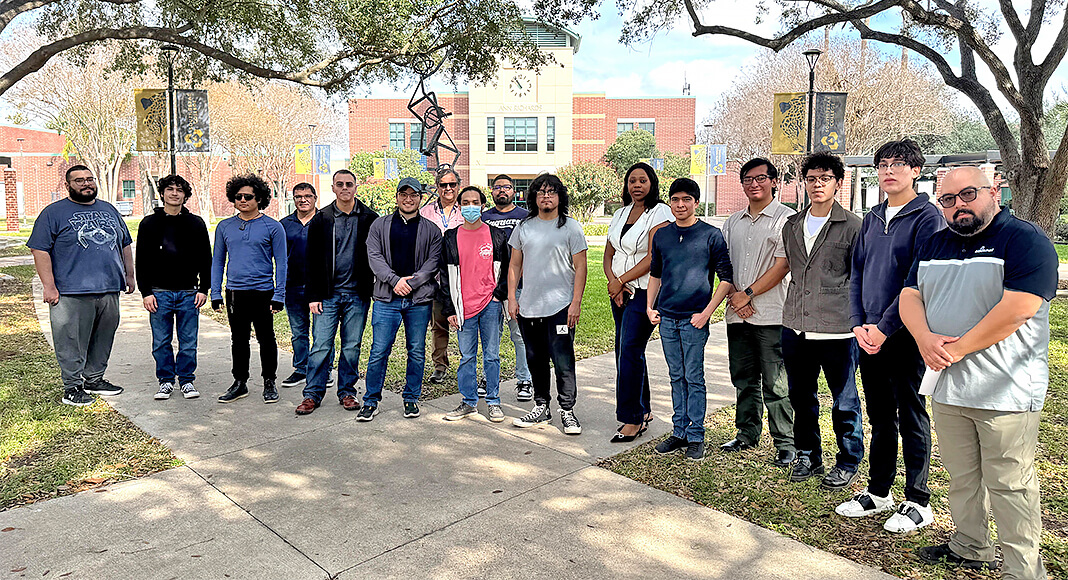
“This has been a long journey,” said Nicholas Hinojosa, assistant professor of Computer Science and principal investigator for the project. “From writing the proposal to getting it approved and planning everything out, it’s exciting to finally see it happening.”
Backed by a $467,000 Advanced Technological Education grant from the National Science Foundation, the three-year initiative marks the Rio Grande Valley’s first cybersecurity clinic to provide free services to small businesses and nonprofit organizations while preparing students to make an immediate impact in the region’s growing digital workforce.
Working in teams, students will visit participating organizations to assess risk, perform vulnerability analyses and provide cybersecurity awareness training. Students will perform the work supervised by their instructors.
Students are set to gain hands-on experience in areas such as incident response planning, penetration testing and cyber defense strategies, which are skills in demand as cybersecurity attacks are on the rise, according to Hinojosa.
“A lot of small businesses may feel that they are not targets, but they actually are,” Hinojosa said. “They are often under-resourced and very vulnerable. Our goal is to help them prepare so they are not the next business in the news after a cyber incident.”
Through the clinic, STC also becomes a member of the International Consortium of Cybersecurity Clinics, joining universities across the nation and abroad to provide community-based cybersecurity services.
Francisco Salinas, STC Cybersecurity assistant professor, department chair and co-principal investigator, said the orientation is the culmination of months of planning and collaboration to see it come to fruition.
STC’s Cybersecurity labs already mirror real-world networks with independent firewalls, switches and infrastructure, but working directly with businesses introduces new challenges for students, he said.
“In the classroom, it’s a controlled environment, but out there in the real-world, things don’t always work out the way you expect,” Salinas said. “This is how the industry really works, and that experience is invaluable for our students.”
One student, Marc Cardenas, who is working towards his bachelor’s degree in Computer and Information Technologies, was among those selected to join the clinic’s first cohort.
Cardenas said the opportunity will help him build the required experience employers are looking for in a competitive job market.
“Many IT jobs require experience,” Cardenas said. “Now I will be able to say I worked with real businesses through STC and that will help me in the future. I believe businesses should have the best security possible and being able to assist with that is a great first step into my professional career.”
For those like Hinojosa and Salinas who are leading the project, the clinic reflects a broader effort to meet the region’s growing demand for skilled cybersecurity professionals while strengthening the local economy.
By working in partnership with businesses, STC is not just teaching theory – the college is developing the talent to protect businesses, support economic growth and keep the region competitive for generations.
“The Rio Grande Valley needs this workforce,” Hinojosa said. “Companies need people who are trained, prepared and ready to protect critical systems from day one.”