






Texas Border Business

By Roberto Hugo González
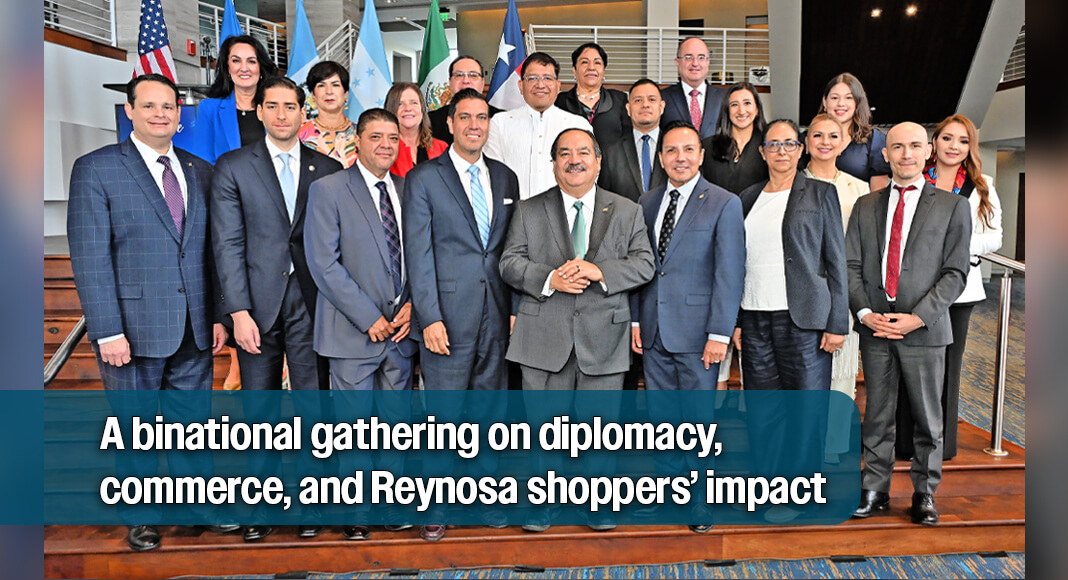
September 17, 2025- McAllen opened National Hispanic Heritage Month with its inaugural “Morning of Diplomacy,” a gathering that underscored the city’s growing role in cross-border commerce and binational relations. Held at the McAllen Performing Arts Center, the event drew consuls general from Mexico, Guatemala, Honduras, and El Salvador, along with state and federal officials, business leaders, and academics.
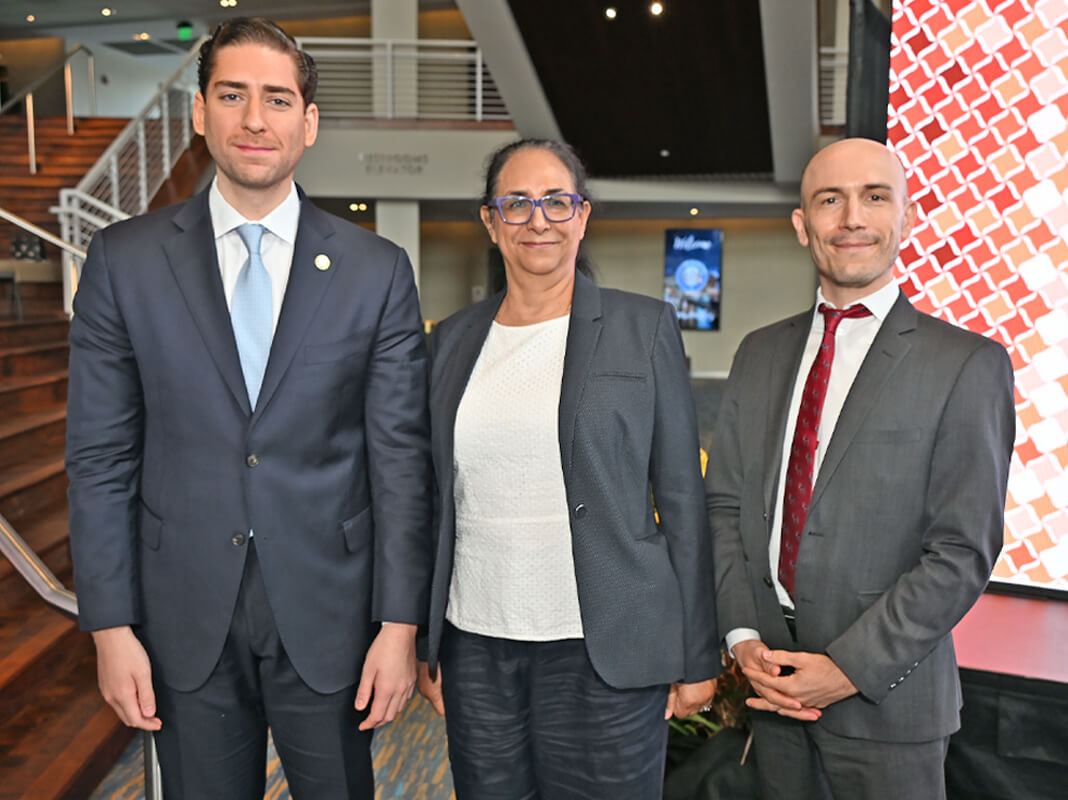
Assistant City Manager Juan Olaguibel described the city’s approach as “economic diplomacy,” emphasizing infrastructure like the Anzalduas International Bridge, soon to open for full cargo. “Our border is a dynamic hub that fosters economic mobility,” he said.

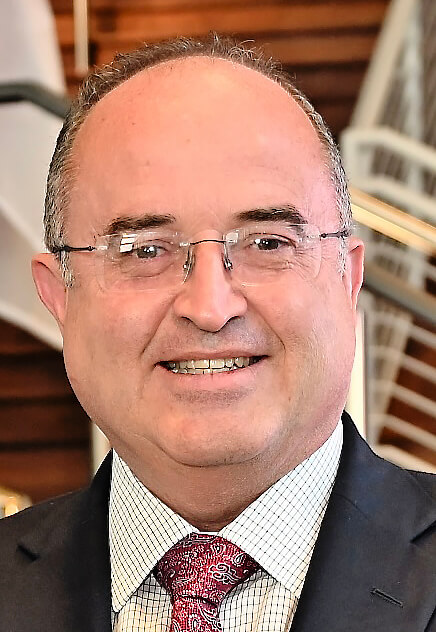
Commissioner Tony Aguirre, speaking for Mayor Javier Villalobos, called McAllen “an international and bicultural city” and urged collaboration with Northern Mexico to strengthen the region.
City Manager Isaac Tawil positioned McAllen as central to continental trade flows. “We are in the middle of everything—the gateway to Texas and the United States and the connection between two deeply interconnected cultures,” he said. Tawil praised the city commission for supporting international initiatives, adding that local diplomacy requires “a lot of blood, sweat, and tears, but the results are tangible.”
The city’s new International Relations Department, launched in 2024, has already coordinated sister-city agreements, firefighter exchanges, and policy roundtables, said Director Daniela Plata. She introduced guest of honor Carlos Ealy, Assistant Secretary for Mexican and Border Affairs with the Texas Secretary of State. Ealy called for binational strategies to address shared challenges. “The border is more than a line. It is an interconnected ecosystem of people, water, energy, and commerce,” he said. “By working together, Texas and our neighbors in Mexico and Central America can build a future that is more prosperous and sustainable.”
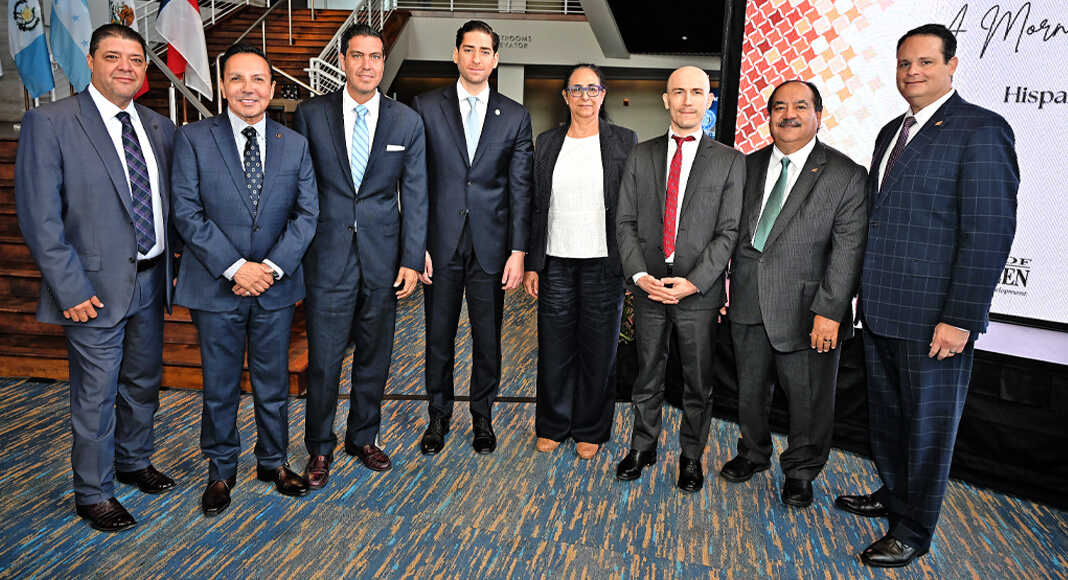
Commissioner Pepe Cabeza de Vaca tied diplomacy to identity, noting, “Diplomacy is no longer solely the responsibility of federal governments. Cities are now leveraging their influence to engage with other nations.”
Keynote speaker Max Bouchet, Director for State and Local Diplomacy at the Meridian International Center, argued that international engagement is no longer optional for communities. “The question isn’t whether to partner internationally, but how—strategically and with purpose,” he said. He urged cities to adopt multi-year roadmaps, focus on priorities, and measure outcomes. “When done right, these connections deliver more benefits per dollar than almost any other local investment.”
Consular representatives highlighted cultural ties as part of Hispanic Heritage Month. Doris Cázares, Consul of Honduras and president of the Tricamex consular group, thanked McAllen for supporting the diplomatic corps and called the celebration “one of the pillars of action to unite our nations.” Videos from Mexico and Central America showcased culture and tourism, with themes of heritage as a bridge between generations.
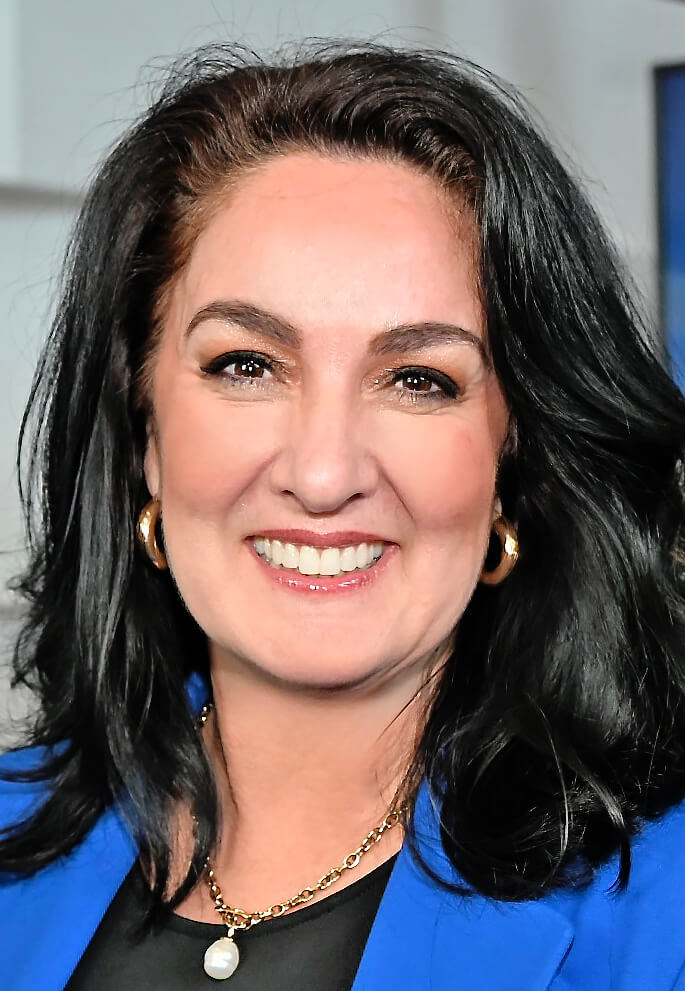
Economist Dr. Belinda Román presented new research on the retail impact of shoppers from Reynosa. Using anonymized mobility data, her team analyzed 177 million visits across McAllen businesses. She found median household incomes in the mid-$40,000s and a strong reliance on cash transactions, many beginning at ATMs. Her model estimated about $50 million in retail sales from Reynosa shoppers over 33 peak shopping days, translating to roughly $80 million in total economic impact. Annualized, she said, cross-border shopping accounts for 25–30 percent of McAllen’s retail activity. “The Mexican cross-border shopper is middle-income, carries purchasing power, and moves our regional ecosystem daily,” she said.
Speakers tied these findings to policy. Olaguibel pointed to international bridges and quality of life as anchors for economic diplomacy. Tawil cited exchanges and trade missions as conduits for innovation. Bouchet called for continuity in governance, while Ealy emphasized environmental stewardship: “Nature doesn’t stop at the river, and community doesn’t end at the border.”
The Mistress of Ceremonies closed by thanking city commissioners, U.S. Customs and Border Protection, the McAllen Chamber of Commerce, South Texas College, Texas A&M, and UTRGV. Plata summed up the city’s goal as building lasting capacity for cooperation, while Ealy urged action beyond celebration. “By advancing binational cooperation, we honor our heritage not only with words, but with action that outlives us.”