





Texas Border Business

Texas Border Business
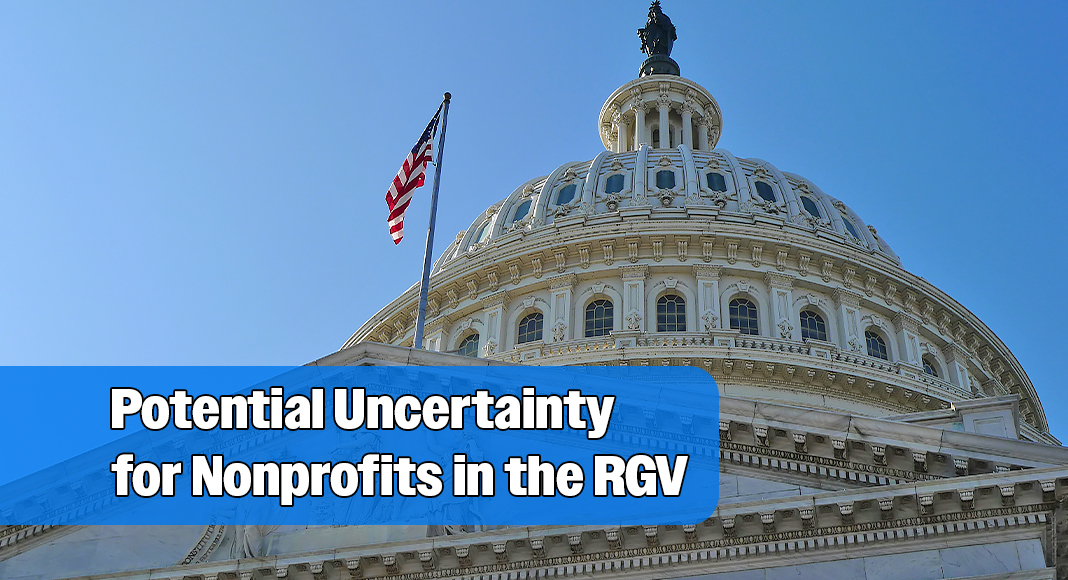
The “One Big Beautiful Bill Act,” passed by the U.S. House of Representatives on May 22, 2025, contains provisions that could significantly impact nonprofit organizations operating in the Rio Grande Valley (RGV) of Texas. While the bill does not explicitly list affected nonprofits, certain provisions may indirectly affect organizations based on their activities and funding structures.
Potentially Affected Nonprofits in the RGV

- Catholic Charities of the Rio Grande Valley (CCRGV): CCRGV operates the Humanitarian Respite Center in McAllen, providing essential services to migrants. The Trump administration has signaled intentions to cut federal funding to organizations like Catholic Charities, citing concerns over their role in immigration activities. Such funding cuts have already led to significant staff layoffs in similar organizations across Texas.
2. La Unión del Pueblo Entero (LUPE): LUPE advocates for the rights of farmworkers and immigrants in the RGV. Given the bill’s provisions allowing for the revocation of tax-exempt status from organizations deemed to support terrorism, advocacy groups like LUPE could face increased scrutiny, depending on the interpretation and enforcement of these provisions.
3. Come Dream, Come Build (CDCB): CDCB focuses on affordable housing initiatives in the RGV. While primarily a housing organization, any involvement in advocacy or partnerships with other nonprofits could subject it to the bill’s broader definitions affecting tax-exempt status.
4. Valley Haven: This organization provides essential clothing and personal hygiene items for children in the RGV. While not directly targeted by the bill, reductions in federal funding and increased scrutiny of nonprofits could indirectly impact its operations.
Key Provisions Affecting Nonprofits

• Revocation of Tax-Exempt Status: The bill grants the administration authority to revoke the tax-exempt status of nonprofits it designates as supporting terrorism. Critics argue that the criteria for such designations are vague, potentially leading to arbitrary enforcement.
• Increased Taxes on Investment Income: Private foundations and large university endowments may face higher taxes on their investment incomes, with rates increasing up to 10% for foundations with substantial assets.
• Taxation of Unrelated Business Income: Nonprofits may be required to pay taxes on income derived from activities unrelated to their primary mission, such as licensing their name or logo.
Implications for the RGV
Nonprofits in the RGV play a crucial role in providing services to underserved communities, including healthcare, education, housing, and legal assistance. The bill’s provisions could lead to reduced funding, increased operational costs, and heightened scrutiny, potentially hindering their ability to serve the community effectively.
Organizations in the RGV may need to assess their activities and funding sources to ensure compliance with the new regulations and to mitigate potential risks associated with the bill’s enforcement.
The “One Big Beautiful Bill Act,” having passed the U.S. House of Representatives on May 22, 2025, is now under consideration in the Senate. Senate Republicans are expected to return from the Memorial Day recess during the week of June 2 and begin drafting their version of the legislation. The goal is to pass the bill before the July 4 recess. 
President Trump has urged the Senate to act “as soon as possible,” emphasizing the importance of swift action following the House’s narrow approval. However, the Senate is anticipated to propose modifications to the bill, particularly concerning provisions related to Medicaid cuts and other fiscal measures.
While an exact Senate vote date has not been announced, the legislative timeline suggests that deliberations and potential amendments will occur in early to mid-June, with a final vote aimed for before the July 4 recess.
Disclaimer: This article is based on current legislative developments and publicly available information as of May 2025. The provisions and potential impacts discussed are subject to change during the Senate’s deliberation process. Readers should not interpret this as a final policy. For the most accurate and updated information, please follow official congressional updates or contact your U.S. Senate representatives directly.