






Texas Border Business

The Trump Administration has launched a major lawsuit against California, challenging the state’s aggressive electric vehicle mandate and sparking a national battle over who controls U.S. auto policy. At stake: consumer choice, vehicle prices, and the future of gasoline-powered cars. Could one state reshape what millions of Americans drive? This legal fight could redefine the auto industry for decades. Subscribe for FREE to read the full analysis and what it means for drivers nationwide.
FEDERAL SHOWDOWN: Trump Administration Sues California Over Ev Mandate — War Over America’s Cars Begins

Texas Border Business
March 12, 2026 — A high-stakes legal battle has erupted between Washington and California — and the outcome could reshape what Americans drive for decades.
The Trump Administration has launched a major federal lawsuit aimed at stopping California from enforcing what officials describe as an illegal electric vehicle mandate that could dramatically change the U.S. auto market.
The Justice Department, acting on behalf of the National Highway Traffic Safety Administration (NHTSA), filed the case in federal court to block California from imposing strict vehicle rules that critics say would force automakers nationwide to prioritize electric vehicles — whether consumers want them or not.

Federal officials argue the state’s aggressive policies amount to state-controlled fuel economy regulations, something they say only the federal government has the authority to set.
The lawsuit signals the start of a national confrontation over energy policy, consumer choice, and the future of the automobile industry.
A Battle Over Who Controls America’s Roads
At the center of the conflict is California’s sweeping plan to require automakers to rapidly increase sales of zero-emission vehicles — ultimately phasing out new gasoline-powered cars.
Federal officials say the move effectively forces manufacturers to redesign their entire production strategies to comply with one state’s rules.
According to administration officials, allowing California to dictate such standards could trigger a costly patchwork of regulations across the country, pushing vehicle prices higher and limiting options for millions of American drivers.
The federal government argues the state’s rules violate the Energy Policy and Conservation Act, which gives the National Highway Traffic Safety Administration exclusive authority over fuel-economy standards in the United States.
The “Freedom Means Affordable Cars” Initiative
The lawsuit is part of a bigger effort by the administration known as the “Freedom Means Affordable Cars” initiative, designed to lower vehicle costs and reset federal fuel-economy standards.
Officials say the plan could save Americans $109 billion over the next five years and reduce the average cost of a new vehicle by roughly $1,000.
Supporters of the initiative say the goal is simple: restore consumer choice and allow automakers to build the vehicles Americans actually want to buy.
Why the Stakes Are So High
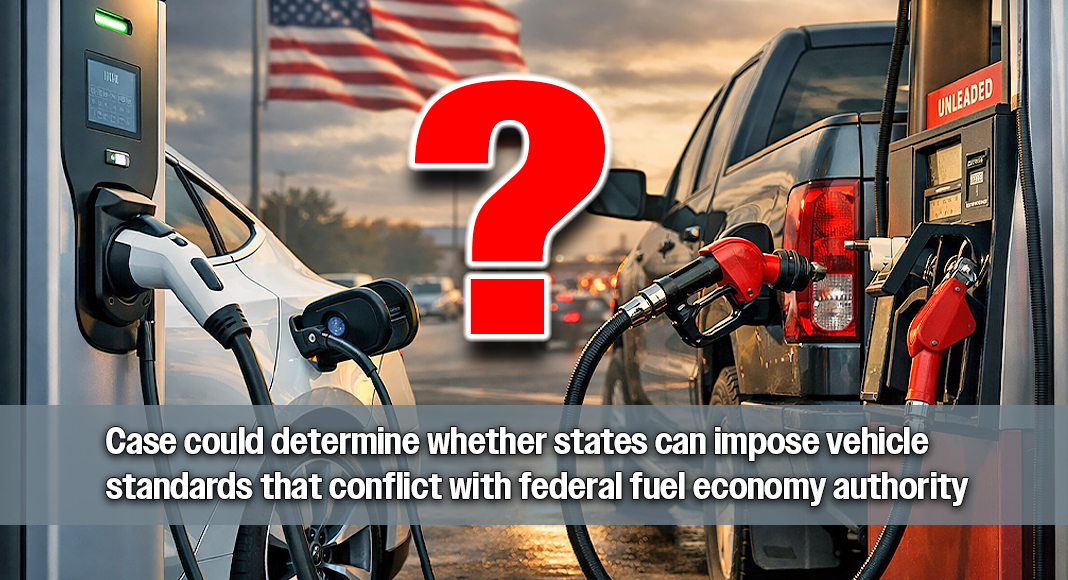
The outcome of the case could determine whether individual states can shape national automotive policy.
California’s rules influence much of the country because several states historically adopt the same emissions standards. If the mandate moves forward, critics argue it could accelerate a nationwide shift toward electric vehicles — regardless of regional energy needs, infrastructure readiness, or consumer demand.
Supporters of California’s policy, however, argue the state must take aggressive action to reduce emissions and fight climate change.
The Next Chapter
The lawsuit, filed in the U.S. District Court for the Eastern District of California, sets the stage for what could become one of the most consequential legal battles in the modern auto industry.
For automakers, energy producers, and millions of drivers across the country, the case could determine what vehicles Americans will be able to buy — and at what price — in the years ahead.
One thing is already clear:
The fight over the future of America’s cars has officially begun.