








Texas Border Business

Federal Bureau of Investigation (FBI)
WASHINGTON, DC – Dozens of cultural artifacts—some centuries old—began their journey home to Peru last week.
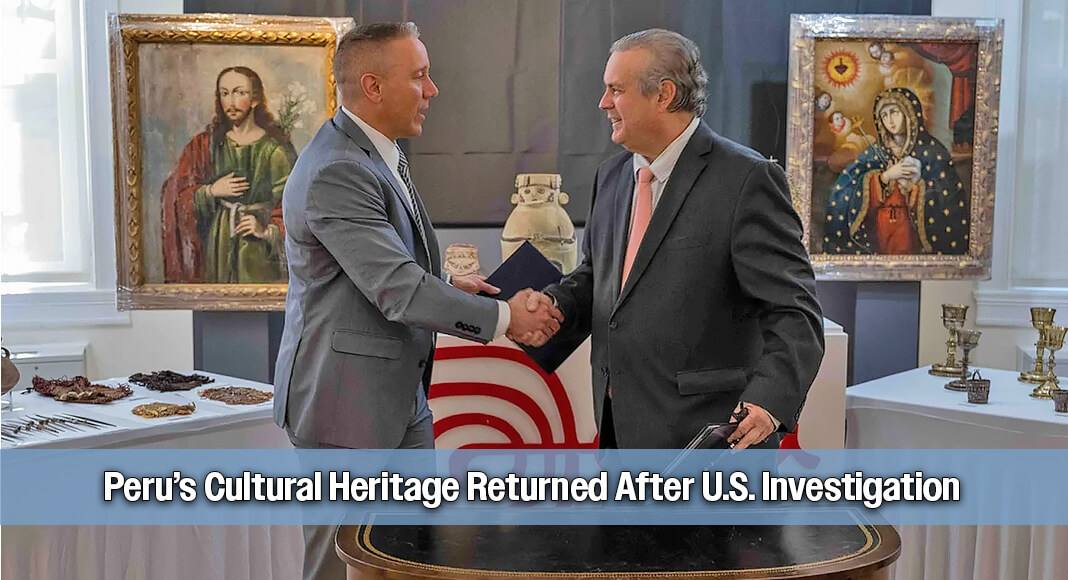
Recovered through FBI investigations in New Mexico and Nevada, 48 items were formally returned to the South American country during a March 24, 2026, repatriation ceremony marking yet another FBI effort to combat the illicit trafficking of cultural property. The event took place at the Embassy of Peru in Washington, D.C.

“The FBI is proud to work with the Peruvian minister of culture to return artifacts significant to the cultural heritage of their nation,” said Assistant Director Heith Janke of the FBI’s Criminal Division. “We are happy to see these items returned home so that they can be further appreciated and enjoyed.”
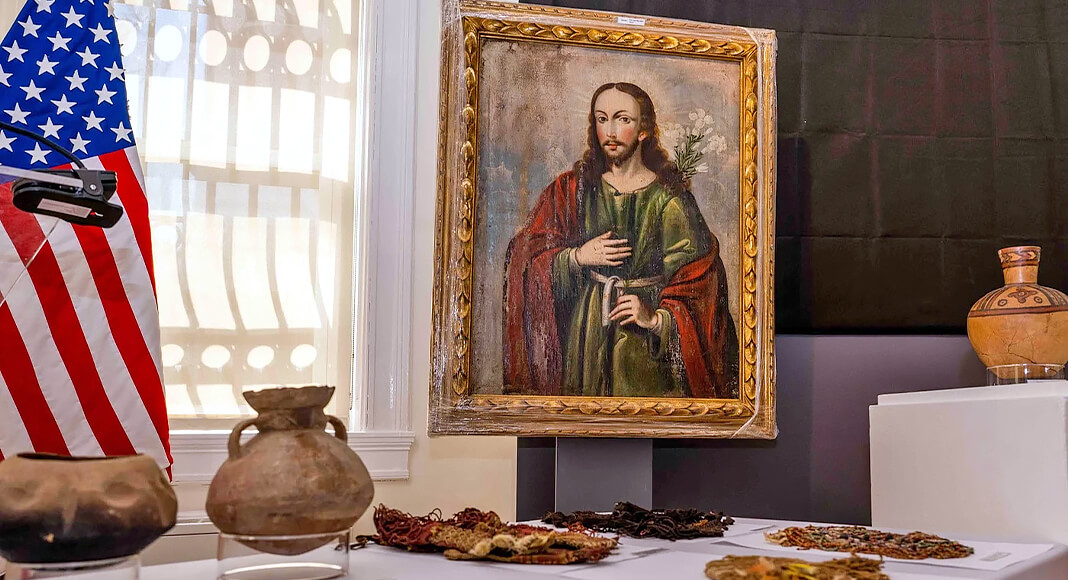
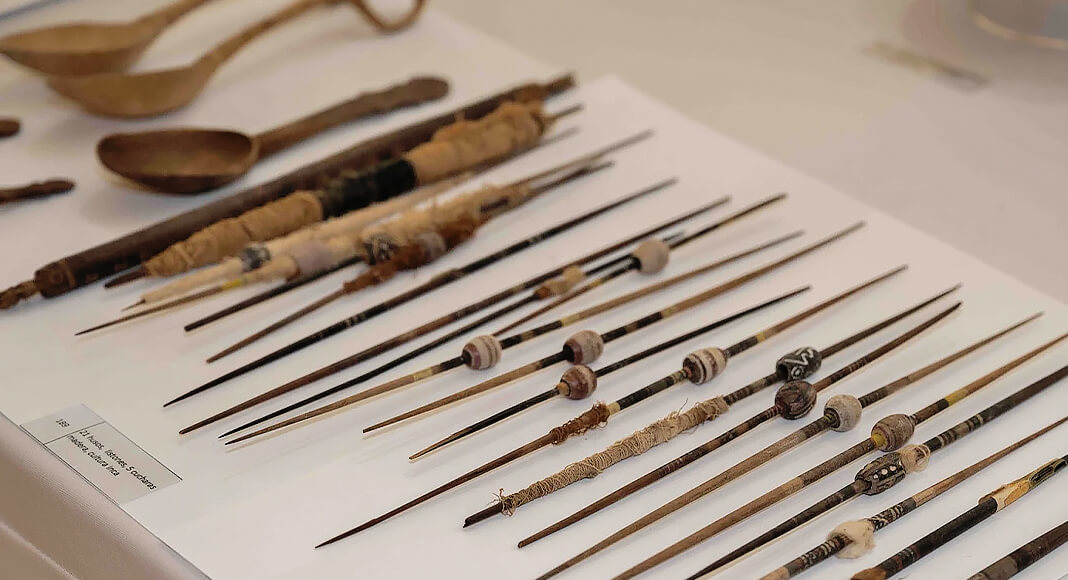
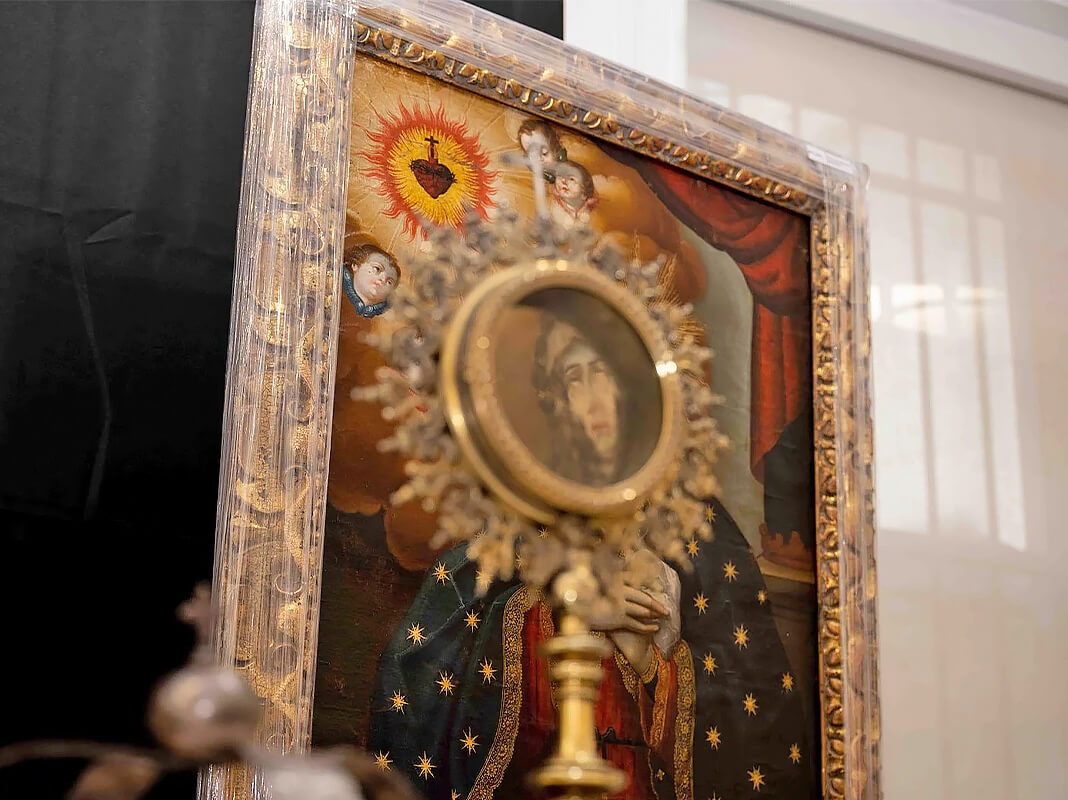
The artifacts—ranging from colonial-era paintings and textiles to ceramics and silver ornaments—span centuries of Peruvian history. Some are linked to pre-Columbian cultures, including the Chancay (later the Inca Empire), underscoring the depth of cultural heritage restored through the effort.
See the gallery below to see the artifacts—ranging from colonial-era paintings and textiles to ceramics and silver ornaments—span centuries of Peruvian history. All images courtesy of FBI
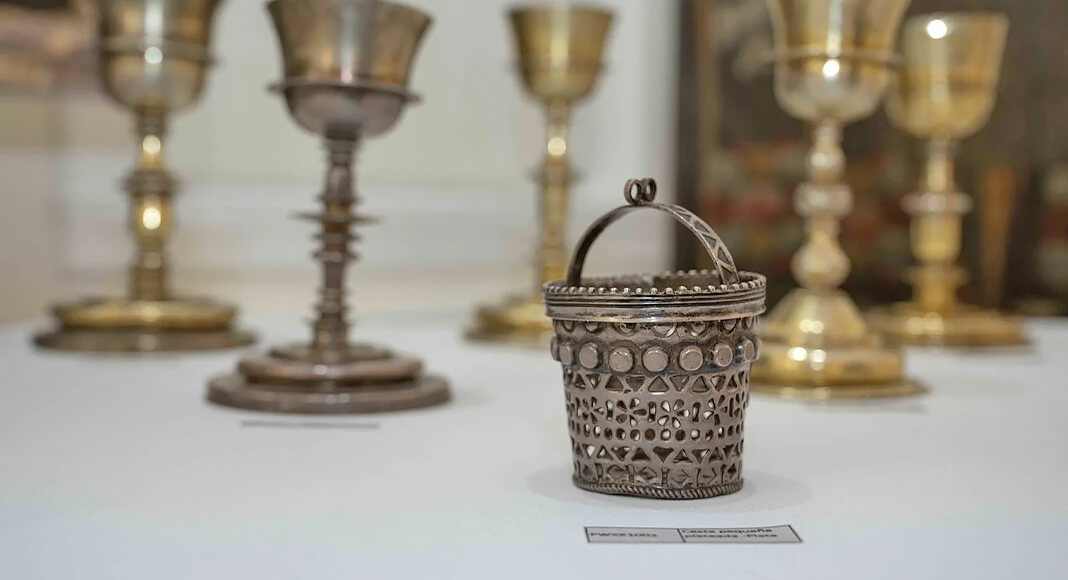
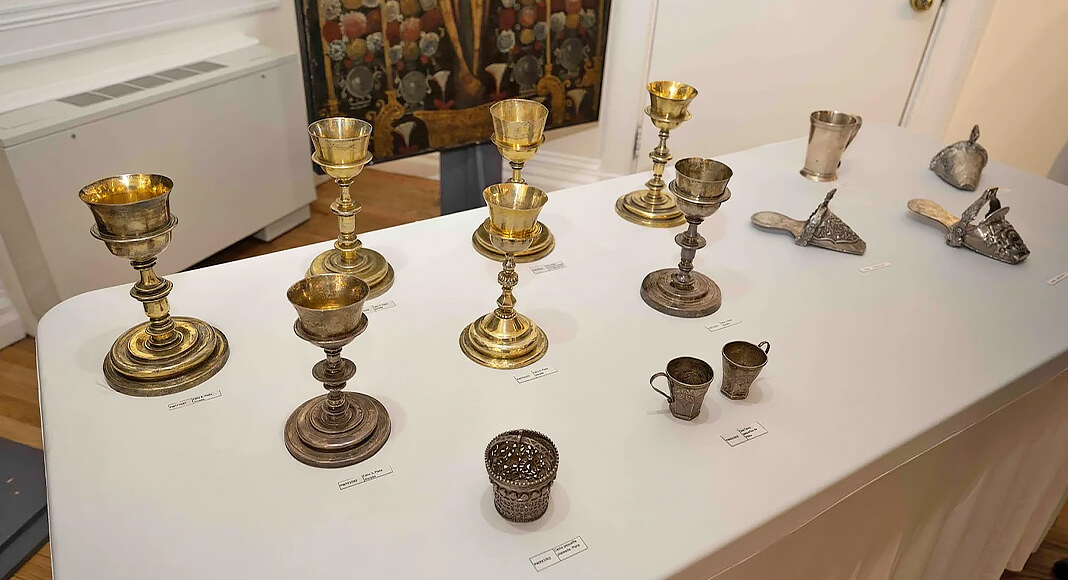
The return followed extensive investigative and legal work in Santa Fe and Las Vegas that confirmed the artifacts belong to Peru. It also reflected close coordination between the FBI’s Art Crime Program, the Embassy of Peru, and U.S. and Peruvian authorities.

The Bureau’s Art Crime Program, a part of the Criminal Division, began in 2004 to oversee a team of special agents and personnel uniquely trained in art and cultural property investigations. The agents—from field offices around the country—have recovered more than 20,000 items worth more than $1 billion.
“By coming together today, we’ve done more than return these irreplaceable objects,” said Darren Beattie, the senior bureau official of the U.S. Department of State’s Bureau of Educational and Cultural Affairs. “We have reaffirmed the commitment our countries share to combat the illicit trade of cultural property.”
That commitment is reinforced by a longstanding bilateral agreement (PDF) between the United States and Peru restricting the importation of archaeological and ethnological materials—a powerful tool implemented by the State Department in 1997 to discourage trafficking and protect cultural heritage.
As the U.S. and Peru mark 200 years of diplomatic relations, officials say efforts like this highlight the strength of their partnership. Each returned artifact, they said, represents not only the outcome of a successful investigation but the preservation of history for future generations.
“Thanks to the relentless joint efforts of U.S. and Peruvian law enforcement, these treasures will continue to inspire the world for years to come,” Beattie said.