






Texas Border Business

By Roberto Hugo González / Texas Border Business
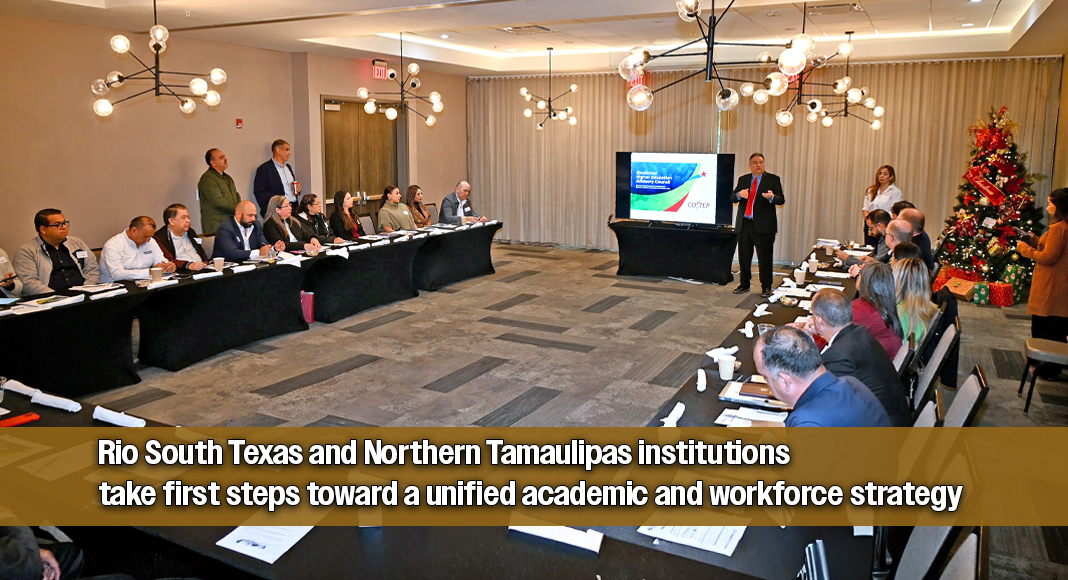
McAllen, Texas- The Binational Higher Education Advisory Council Meeting, held on December 3, 2025, at the Cambria Hotel McAllen, brought together universities and colleges from South Texas and Northern Tamaulipas to begin building a coordinated cross-border approach to education, workforce alignment, and economic development. Organized by COSTEP, Council for South Texas Economic Progress, the meeting introduced an initiative intended to strengthen collaboration between academic institutions and industry across the region.
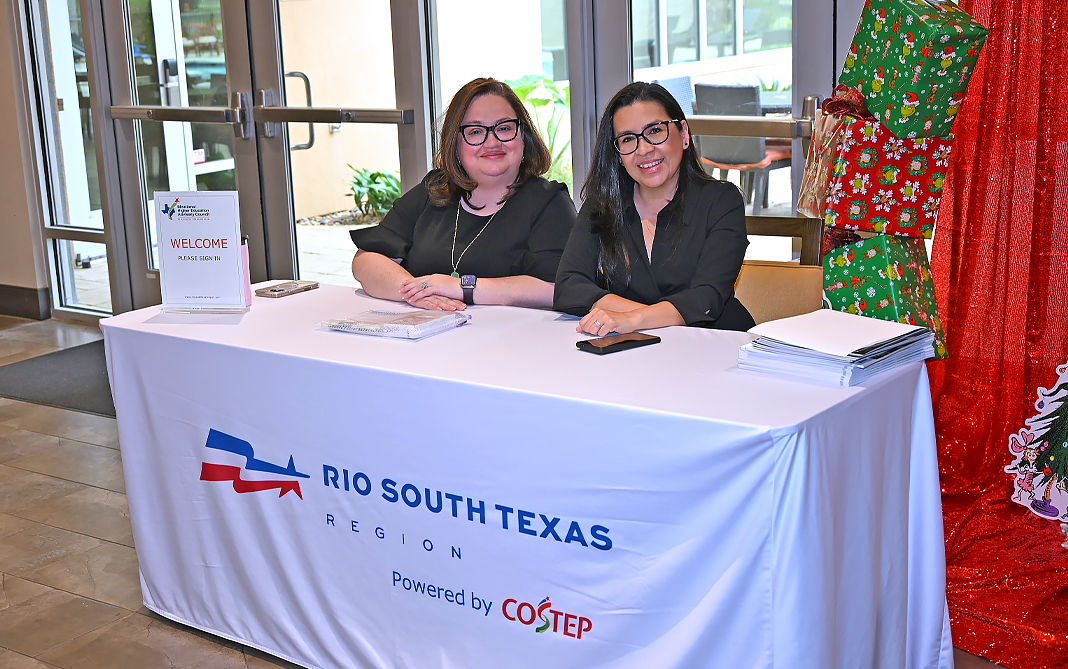
The agenda included institutional introductions, a presentation by COSTEP, Council for South Texas Economic Progress, a review of a new strategic inventory questionnaire, and an open networking session. University presidents, deans, directors, and academic leaders from institutions such as UTRGV, South Texas College, Texas State Technical College, Laredo College, Texas A&M International University, and multiple institutions from Tamaulipas participated.

COSTEP, Council for South Texas Economic Progress, CEO Adam Gonzalez, opened the discussion by explaining the purpose of the newly forming Binational Higher Education Advisory Council (BHEAC). He said the effort was designed to help universities and economic development organizations answer a recurring question from companies considering investment: What academic programs, training capabilities, and research strengths exist across the region? Gonzalez stated, “A lot of times, we lose companies or companies do not take interest in our region because they feel we may not have the workforce pipeline. We may not have the educational system, when in reality we have a very robust educational system.”
The Council aims to become the formal mechanism linking academia and industry in strategic areas such as automotive, advanced manufacturing, and emerging technologies. The initiative intends to support student mobility, coordinated planning, data sharing, and binational talent development.
Throughout the meeting, the theme of regional interdependence was emphasized. Gonzalez noted, “We feel as COSTEP that a win for the seven-county region on this side benefits the 10 municipios on the Tamaulipas side, and a win for the 10 municipios on the Tamaulipas side also benefits the seven counties on the US side.” This message highlighted the belief that Rio South Texas region and Northern Tamaulipas form one economic ecosystem.
Attendees reviewed the draft inventory questionnaire that will be used to collect academic data from institutions. Leaders around the table offered detailed feedback to refine it. Their comments helped clarify program categories, identify missing areas, such as customizable training, and ensure that the platform will accurately represent all institutions.

The meeting concluded with an open discussion on next steps. Participants acknowledged that this was an early stage in a long-term process to strengthen the cross-border talent pipeline. The formation of the Binational Higher Education Advisory Council is expected to provide the structure needed to sustain cooperation, support economic development efforts, and promote the region’s educational strengths at a global level.
Part 1 of 3: The article was written based on the meeting of the Binational Higher Education Advisory Council, which aims to strengthen educational collaboration between Northern Tamaulipas and the Rio South Texas Region.
See related story: