








Texas Border Business

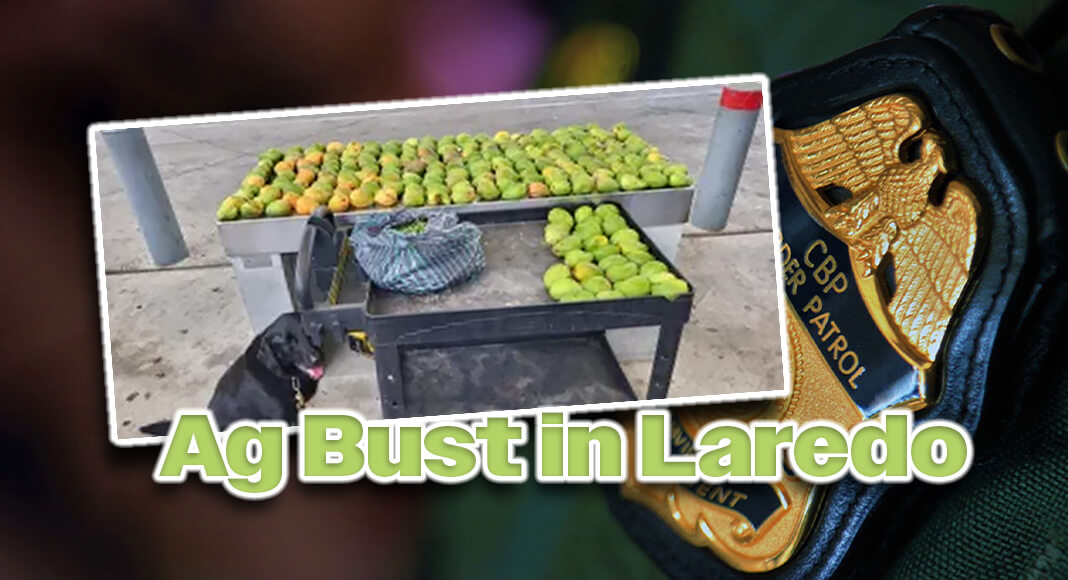
LAREDO, Texas – U.S. Customs and Border Protection officers and agriculture specialists recently discovered more than 200 mangos and seven kilograms of nances–a tropical fruit native to Central and South America–in a single enforcement action at the Juarez-Lincoln Bridge.
“Our frontline CBP officers and agriculture specialists maintain strict vigilance as they conduct their examinations and they encountered a commercial quantity of prohibited fruit,” said Port Director Albert Flores, Laredo Port of Entry. “Seizures like these reinforce CBP’s dedication to protecting American agriculture and the American public from prohibited agricultural items that could harbor plant pests and animal diseases.”
The seizure occurred on the evening of May 2 when CBP officers assigned to the Juarez-Lincoln Bridge referred a Ford F-150 pickup to secondary inspection. During examination of the vehicle, a CBP Agriculture Quarantine Inspection canine alerted officers and agriculture specialists to the vehicle and its luggage. Further examination of the vehicle and luggage revealed a commercial quantity of prohibited fruit. CBP agriculture specialists seized a total of 218 mangos and seven kilograms of nances, a tropical fruit from Central and South America resembling a yellow cherry with a pungent odor.

A $1,000 civil penalty was issued to the driver for the undeclared commercial quantity of prohibited fruits.
CBP agriculture specialists enforce United States Department of Agriculture quarantines to prevent the entry of pests and plant & animal diseases that could damage the agriculture industry in the U.S. Attempting to bring in prohibited agricultural items could lead to traveler delays and may result in a fine ranging from $300 to $1,000.
CBP employees work diligently to fulfill CBP’s agriculture mission by excluding harmful pests and diseases from becoming established in the U.S. Read more about CBP’s agriculture mission.