







Texas Border Business

By Air Force Senior Airman Patrick Boyle, 35th Fighter Wing / US DOW
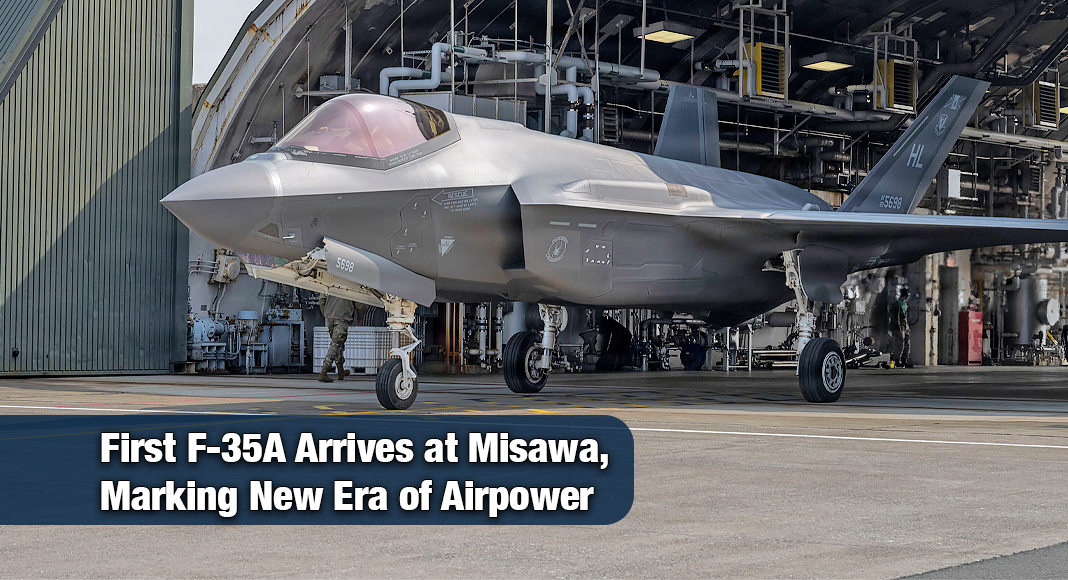
The F-35A Lightning II aircraft assigned to the 13th Fighter Squadron arrived at Misawa Air Base, Japan, March 28, marking the beginning of the squadron’s transition to fifth-generation airpower and the permanent stationing of the joint force’s most advanced tactical aircraft in northern Japan.
The arrival supports the Department of the Air Force’s modernization efforts and demonstrates the United States’ ironclad commitment to the defense of Japan and sustaining peace through strength in the Indo-Pacific region.

“Bringing the F-35 to Misawa underscores our long-standing commitment to Japan and the region,” said Air Force Col. Paul Davidson, 35th Fighter Wing commander. “It strengthens our ability to respond quickly and operate seamlessly with our Japanese partners.”
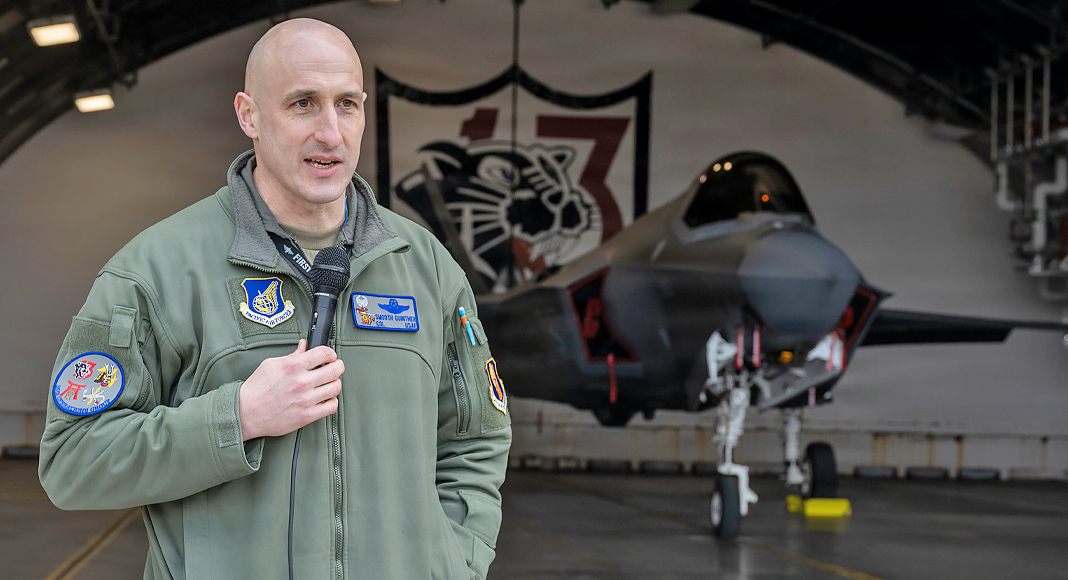
Air Force Col. Jeromy Guinther, 35th Operations Group commander, welcomed the arriving pilots on behalf of Davidson.
“The ‘Wild Weasels’ stand ready to defeat any threat in our area of responsibility and beyond,” Guinther said. “As you lay the foundation for Misawa’s upgrade to a fighter integration wing, remember your Wild Weasel legacy, stay ready and lethal and continue to contribute to the [squadron]’s many generations of excellence.”
Misawa’s forward position makes it a critical hub for maintaining regional stability. The transition to the F-35 increases fighter capability, deepens interoperability with allies and partners and enhances deterrence across the region.
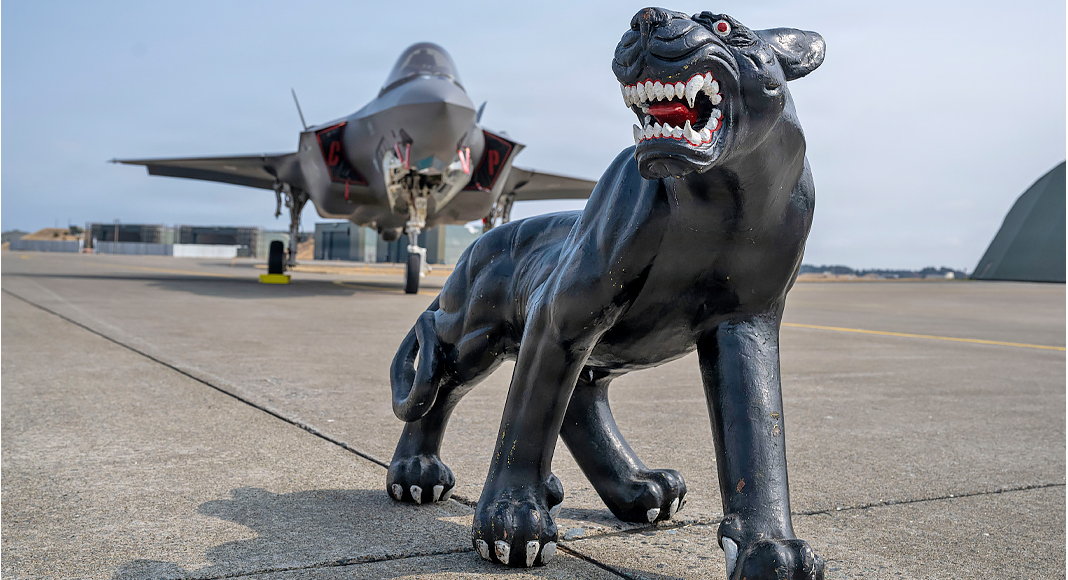
“The F-35 was tailor made to be a [Wild] Weasel platform,” said Air Force Lt. Col. John Widmer, 13th Fighter Squadron commander. “Where legacy platforms performed the Wild Weasel mission with bolted-on sensors or weapons, the F-35 was built from the ground up as a sensor platform with the sensor fusion and quarterback capability we bring to the fight.”
The F-35 excels at operating and surviving in advanced threat environments. Its aerodynamic performance and fully integrated avionics deliver next-generation stealth, improved situational awareness and reduced vulnerability for U.S. and allied forces.
“As far as transitioning from the F-16 [Fighting Falcon] to the F-35, the stealth capability is obviously one of the biggest things,” Widmer said. “The sensor package we bring to the fight allows us to sense the threat and manage the entire spectrum of what the enemy is fielding at us right now. It’s constantly updating, constantly getting upgraded and as we continue forward, it’s the place I want to be if I need to go to war.”
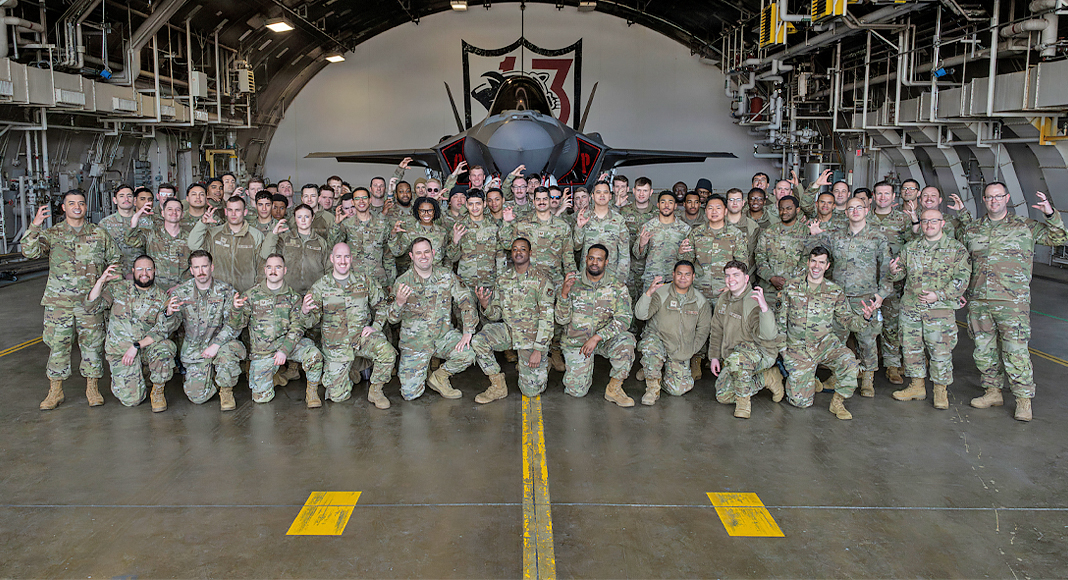
Airmen across the wing completed months of preparation leading up to the aircraft’s arrival, including formal training, infrastructure updates and coordination to ensure the squadron can generate and sustain combat-ready aircraft.
The permanent stationing of the F-35s in northern Japan further multiplies the collective defense capabilities of the U.S.-Japan alliance and ensures the 35th Fighter Wing remains ready to defend Japan and deter aggression in the War Department’s largest area of responsibility.